Editor’s Note
This article details attempts to evade currency declaration laws through concealment, highlighting the legal consequences and risks of such actions.

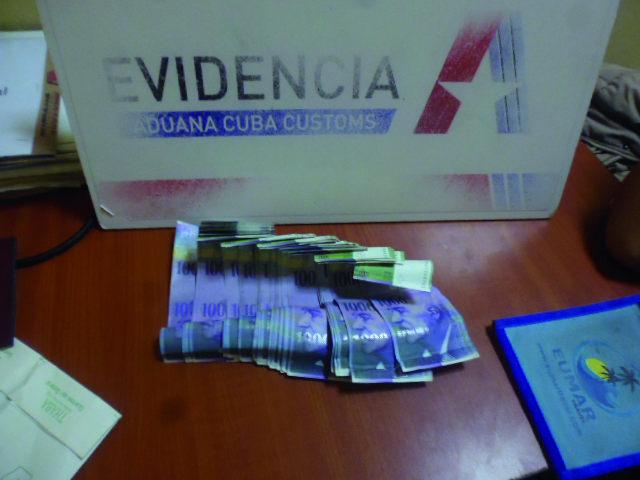
A woman hid 5,000 Swiss francs inside condoms and concealed them in her vagina. She intended to travel with her money hidden because she knew she was carrying more than the permitted amount—a total cash sum exceeding the limit established by law—without declaring it to the customs authority. She was discovered, fabricated a story, but failed in her obligation, an offense aggravated by the concealment.
Another individual attempted to be even cleverer, attaching 32,550 euros to his body, but was also caught by customs personnel who detected his attempt to circumvent the law.
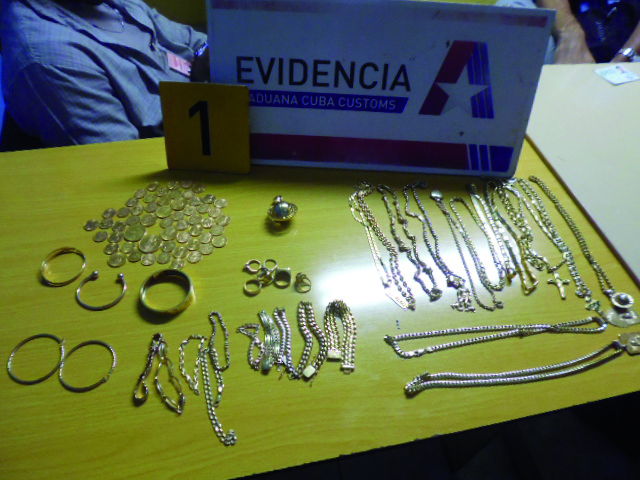
Concealed in the luggage of a married couple, 2.7 kilograms of gold were found without any evidence of authorization for its export. Effective techniques such as X-rays for non-clinical human control, known as body scans, are always applied.
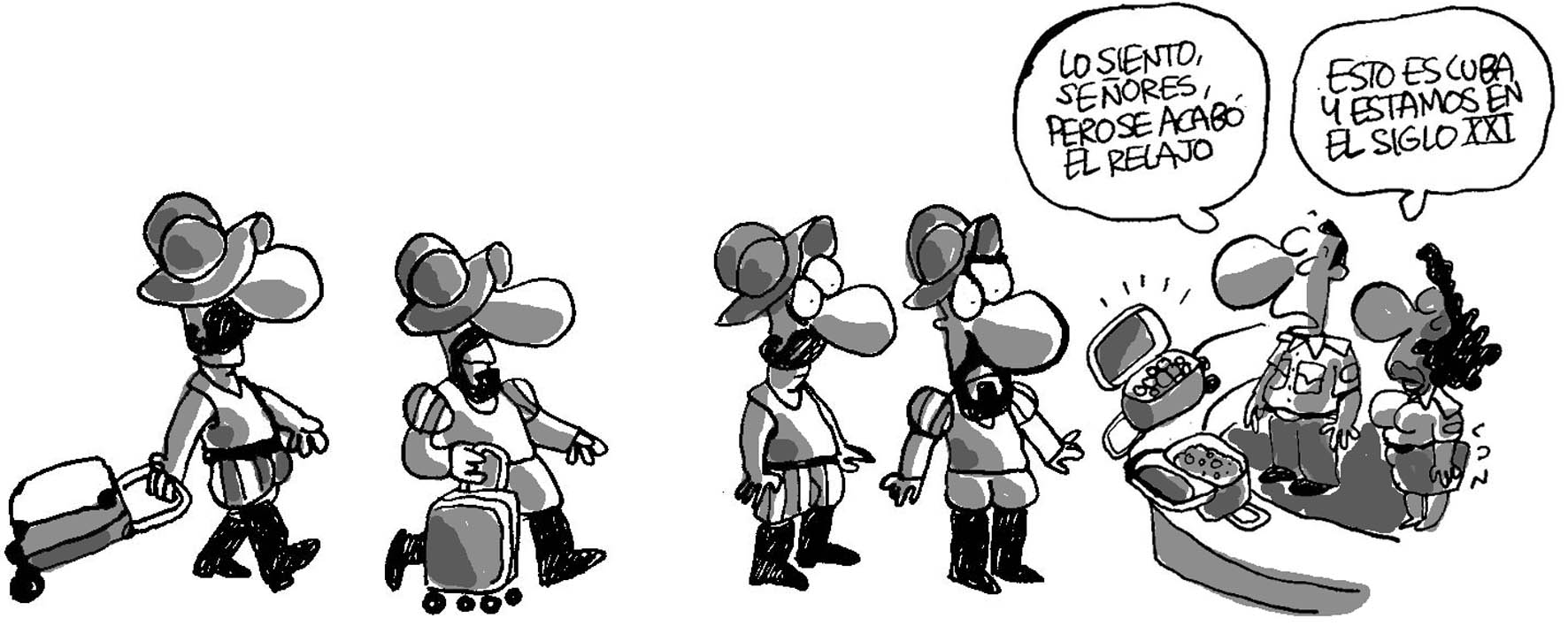
Why is what is established by Cuban law ignored? Do offenders think they will be overlooked or that authorities will “turn a blind eye”? The enforcement work of the General Customs of the Republic (AGR) is vital and increasingly refined, in accordance with national and international agreements and regulations. Why try to fool them?
In the first eight months of the current year, the General Customs of the Republic (AGR) recorded 384 violations of regulations related to the extraction and import of Freely Convertible Currency, 292 cases more than in the same period the previous year.
Argelio Zaldívar Fundora, a senior customs officer of the Enforcement Directorate of this control body, specified that violations generally occur upon departure from the territory, via air.
Zaldívar Fundora specified that the confiscated amounts in this period amount to 165,816 CUC; 61,660 CUP; 875 euros; 15,150 rubles; 73,822 USD; and 386 units (crucifixes, coins, and silver bars).
The senior customs officer specified that Regulations 17 and 18 of 2012 from the Central Bank of Cuba dictate the procedures regarding the entry and exit of cash from the country, which are similar to regulations in force in most countries, where each government determines the amount defined for mandatory declaration.
Zaldívar Fundora specified that Cuban citizens residing in the country, as well as foreign permanent residents, can export and import upon their arrival or departure from Cuba sums not exceeding 2,000 CUP (Cuban pesos) of legal tender, in cash and in any denomination.
The AGR official acknowledges that in the last four years, the number of travelers declaring the amounts of cash entering or leaving the country during border crossing has increased, demonstrating greater knowledge of the regulations and, in turn, streamlining customs controls.