Editor’s Note
This article explores how artificial intelligence is transforming the creative process behind iconic advertising, from slogans to jingles, as it moves from traditional media to digital platforms.
There are videos, images, or advertising jingles that have already become part of the collective imagination. Those ads—for soaps, beverages, supermarkets, perfumes, dolls, and a long list of others—that each generation recognizes as its own, previously on television or radio, and now also on social media and all kinds of platforms. Behind them are teams of creatives searching for the best slogan or the catchiest tune. Also meetings, briefings, contacts with brands and media, report writing, and other actions that make a campaign succeed.
In this entire process, there is now an additional participant: artificial intelligence. Its use in marketing is not new, but rapid advances in the sector and its increasingly precise capabilities have burst into the advertising world like a hurricane.
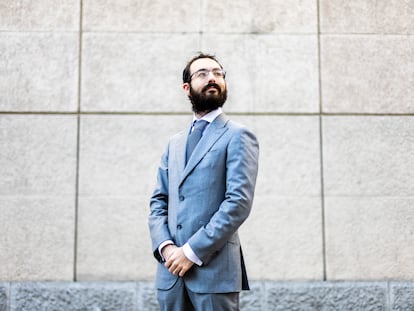
Can a machine replicate the human touch? Are we on the path towards extreme personalization of ads? Does AI amplify existing biases? To what extent does an algorithm know more than professionals? How to ensure transparency with clients and brands? All these questions were raised at the first breakfast of the Trends Project, moderated by Gonzalo Teúbal, Director of Audiences and Artificial Intelligence at EL PAÍS, and bringing together AI and advertising experts Iván González, AI Director at GroupM, Raquel Melero Velayos, Data Partnerships Director at The Trade Desk, and Gema Núñez Ventura, Head of Advertising Industry Relations at Google Spain.
Algorithms can generate ads—generative AI creates texts, images, and even videos at high speed—personalize messages, and optimize campaigns in real-time without human intervention. This is a revolution, but it raises a question: is artificial intelligence an ally or a threat to creatives? According to data from consultancy Oliver Wyman, in some sectors AI can increase efficiency by up to 40%. And the GroupM report “This Year Next Year: 2024 Global End-of-Year Forecast” highlights that this technology is consolidating itself as a new category within the advertising sector. It is projected that by 2029, AI will represent one-fifth of the advertising market.
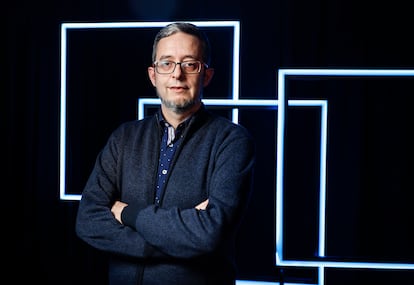
The expert has spent the last 15 years linked to the digital world and now leads the artificial intelligence team at GroupM, focused on developing generative AI solutions in marketing.
Melero agrees that adaptation to change is fundamental:
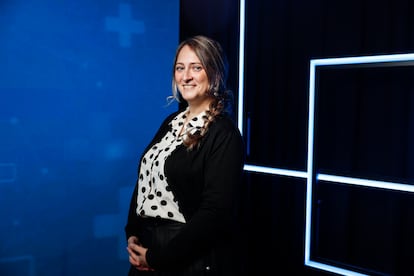
Melero has developed her career in leading companies in the advertising sector, such as Yahoo and Atresmedia Publicidad.
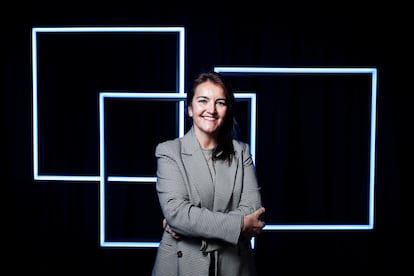
The professional has worked in advertising for more than 25 years and the last 15 at Google Spain. Previously, she developed her career in media agencies such as Zenith Media or Havas Group.
Alongside the emergence of AI and the gradual professional adaptation, there is another aspect that plays a key role: regulation. Technology advances, in many cases, faster than regulations, causing legal gaps or no-man’s-lands that must be considered. What happens if a campaign generated with artificial intelligence contains misleading information? How to be transparent when a message may be partially or entirely designed by an automation system?