Editor’s Note
The Gemological Institute of America (GIA) has announced a significant shift in its grading approach for lab-grown diamonds, moving away from the traditional 4Cs system on its reports. This decision underscores the industry’s effort to create a clearer distinction between natural and man-made diamonds.
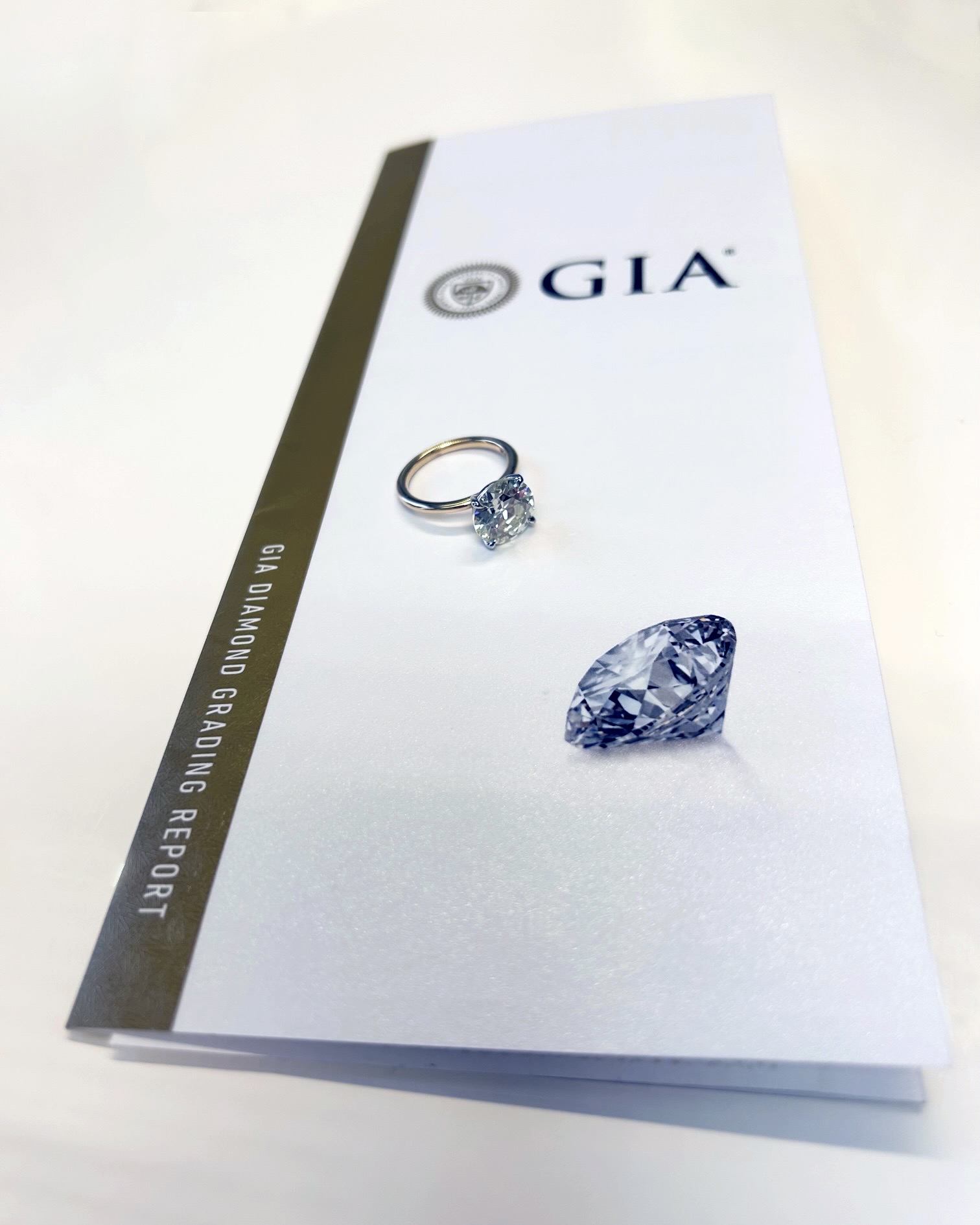
The world’s leading authority in gemology is redefining lab grown diamond grading by dropping the traditional 4Cs system from laboratory-grown grading reports, further emphasizing the growing divide between natural diamonds and man-made diamonds.
In a landmark decision that will reverberate through the global diamond industry, the Gemological Institute of America (GIA)—the world’s foremost authority in gemology—has announced it will no longer use its internationally recognized 4Cs grading system for laboratory-grown diamonds. Beginning today, laboratory-grown diamonds, also known as laboratory-created or synthetic diamonds (and informally referred to as “lab-grown” and “lab-created” diamonds), submitted to GIA will receive simplified descriptors—categorized broadly as either “premium” or “standard”—or no grade at all if the quality is subpar.
While GIA’s move to redefine lab grown diamond grading might sound like a simple nomenclature change, it’s much more than that. This move marks a definitive moment in the ongoing separation of natural diamonds from lab-grown diamonds. It confirms what many in the industry have long known: lab-grown diamonds are not the same as natural diamonds and should not be treated as such.
Ahead, learn what this shift means for jewelers and consumers, and see an example of the new lab grown diamond grading report.
GIA created the 4Cs—cut, color, clarity, and carat weight—as a rigorous system to help consumers understand the unique and complex qualities of natural diamonds. No two natural diamonds are exactly alike. They are rare geological miracles forged deep within the Earth over billions of years, each carrying a singular fingerprint from Mother Nature. A grading report for a natural diamond is essential because these stones exist along an immense spectrum of characteristics.
Lab-grown diamonds, on the other hand, are man-made and mass-produced using high-pressure high-temperature (HPHT) or Chemical Vapor Deposition (CVD) processes.
— Tom Moses, GIA executive vice president and chief laboratory and research officer
An uncut lab grown diamond.
