Editor’s Note
**Editor’s Note:** A recent inspection by the Norwegian Environment Agency reveals that roughly 25% of fashion jewelry tested contains illegal levels of heavy metals like lead, cadmium, or nickel. These products, sourced from both local and international online retailers, should not have been on the market.
A large-scale inspection by the Norwegian Environment Agency has uncovered significant deficiencies in fashion jewelry: Approximately one-quarter of the tested products contained prohibited levels of heavy metals such as lead, cadmium, or nickel—and should not have been sold.
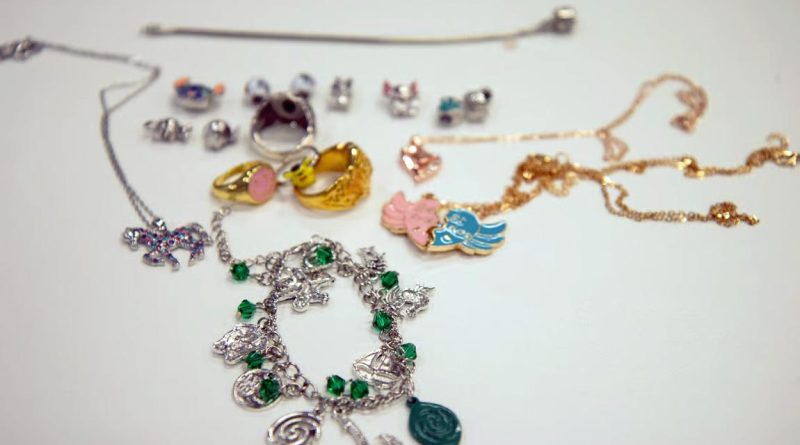
Here are some of the jewelry pieces that were analyzed and found to contain banned substances.
(Photo: Norwegian Environment Agency)
160 jewelry items from various sales outlets—including Norwegian and international online shops, marketplaces such as Temu, Wish, and AliExpress, as well as branches of well-known chains—were inspected. Result: 42 of them exceeded the legally permitted limits for substances harmful to health and the environment.
The affected products predominantly come from foreign platforms and smaller Norwegian online shops. According to the Environment Agency, jewelry is considered a high-risk product—because it is worn directly on the skin, often over long periods.
Strict limit values apply to jewelry, regulated in Annex XVII of the EU chemicals regulation REACH. Manufacturers and retailers—whether online or offline—are obligated to ensure compliance with these regulations. Violations can lead to sales bans.
In total, jewelry from 37 companies was examined, including 26 Norwegian ones. No violations were found at well-known providers such as jewelers, H&M, Lindex, as well as chains like Glitter or Accessorize.
The Environment Agency demanded that all affected retailers immediately cease sales of the illegal products. Norwegian companies were additionally required to inform their customers. Most companies complied with the request—international platforms also voluntarily removed numerous affected items.
Since Norwegian authorities have limited intervention options with foreign providers, the results were also forwarded to other European supervisory authorities and the EU Commission via the EU early warning system Safety Gate and the platform farligeprodukter.no.
Consumers should pay particular attention to the origin of jewelry when buying online and actively request information about ingredients. According to § 10 of the Product Control Act, they have a right to information—this also applies to imported products.
Private individuals cannot, however, commission analyses from the Environment Agency.