Editor’s Note
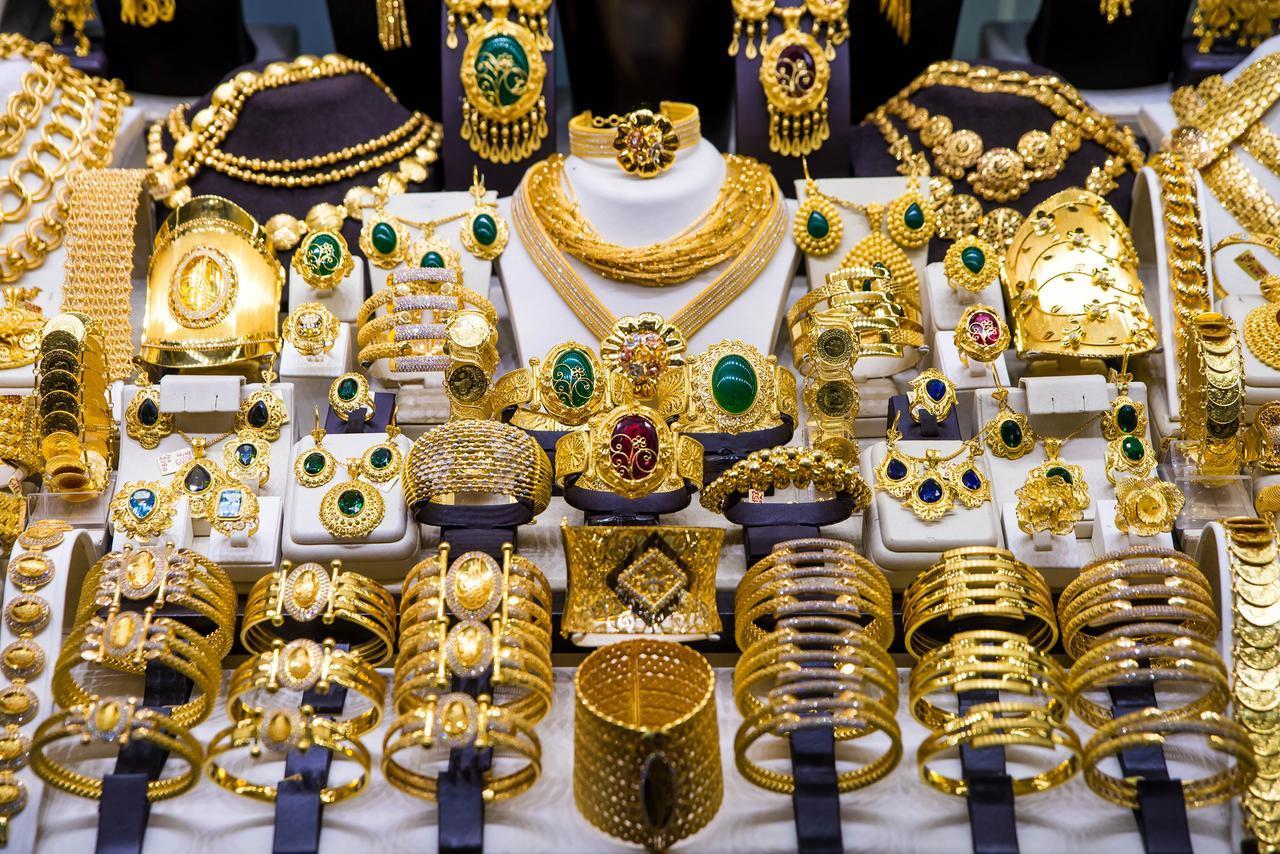
Türkiye’s jewelry exports hit a record $7.9 billion in 2025, rising 5.8% year-on-year and more than doubling since 2020. The UAE remained the top market, while Switzerland saw a notable surge.
Türkiye’s jewelry exports surged to an all-time high of $7.9 billion in 2025, up 5.8% from the previous year to account for 3.3% of the country’s total exports, official figures showed. The sector has thus sustained a steady upward trend since the pandemic years, more than doubling from $3.8 billion in 2020 with a 107.9% increase.
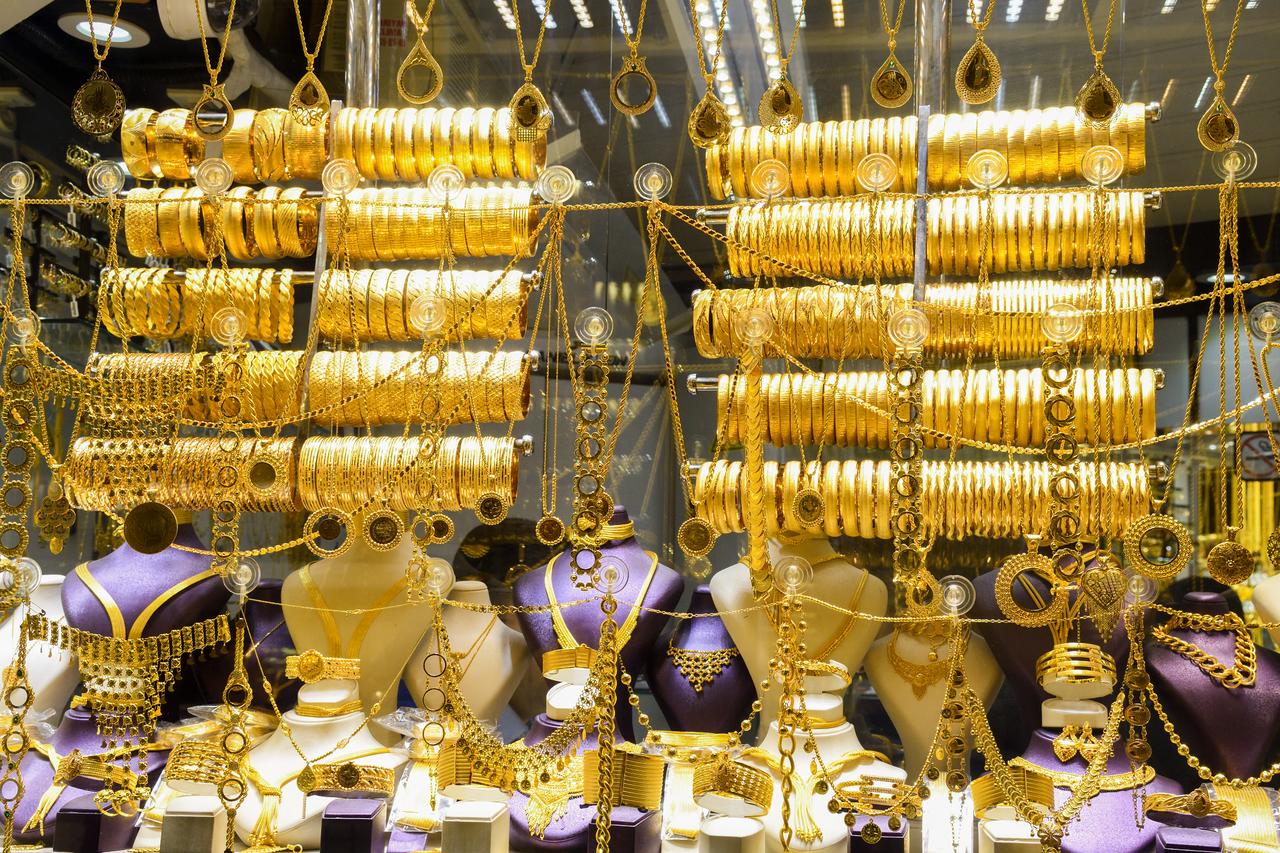
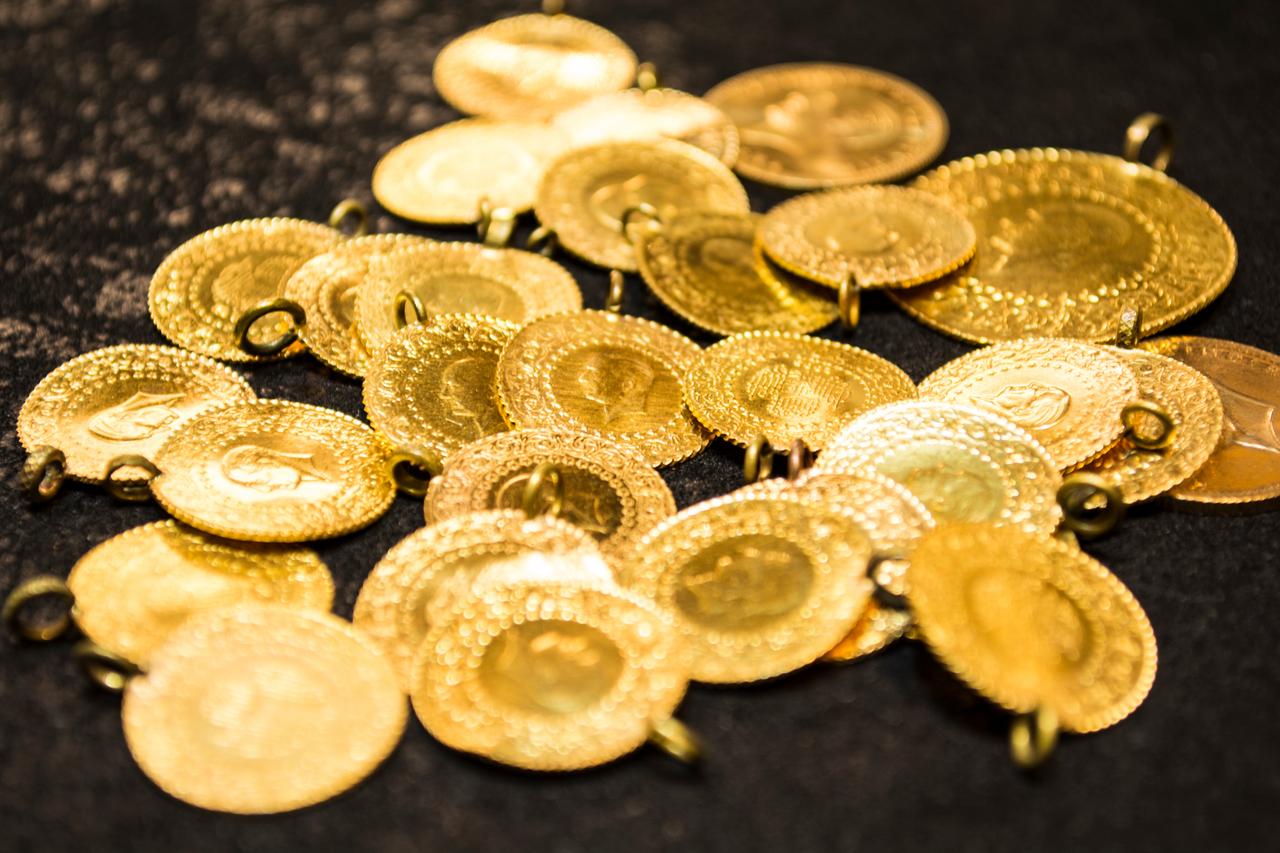
The United Arab Emirates (UAE) remained Türkiye’s top destination for jewelry exports in 2025, with total shipments valued at approximately $2.86 billion. This marked a 9.7% increase compared to the previous year’s figure of $2.61 billion. Hong Kong was the second-largest market, importing $609.1 million worth of Turkish jewelry, up 11.5% from $546.4 million in 2024. Switzerland followed with $416.2 million in imports, a sharp increase from $91.9 million the previous year, equivalent to a 353% year-on-year rise, the largest percentage growth among all listed countries.
The United States imported $409.8 million worth of jewelry from Türkiye in 2025, a decline of 41.8% compared to $703.8 million in 2024. Libya ranked fifth, with a 13.3% increase to $356.2 million from $314.5 million in the previous year. Mexico remained relatively stable, with exports edging up 0.4% to $308.4 million. In contrast, exports to Kyrgyzstan dropped 16.3% to $264.1 million, and exports to Iraq halved, falling 50.7% to $223.1 million. Belgium stood out with a notable rise in demand, as imports jumped 71.5% from $124.0 million to $212.6 million. Italy saw a slight decrease of 1.8%, with 2025 exports totaling $177.6 million, down from $180.8 million the year before. By province, Istanbul led Türkiye’s jewelry exports with $5.5 billion in shipments in 2025, constituting nearly 70% of the sector’s total exports.