Editor’s Note
**Editor’s Note:** This year’s Tokyo International Jewelry Fair highlights a shift in consumer behavior as soaring gold prices turn jewelry into a store of value. While gold booths draw heavy crowds, a 30–40% price surge in months has prompted professional buyers to tread carefully.
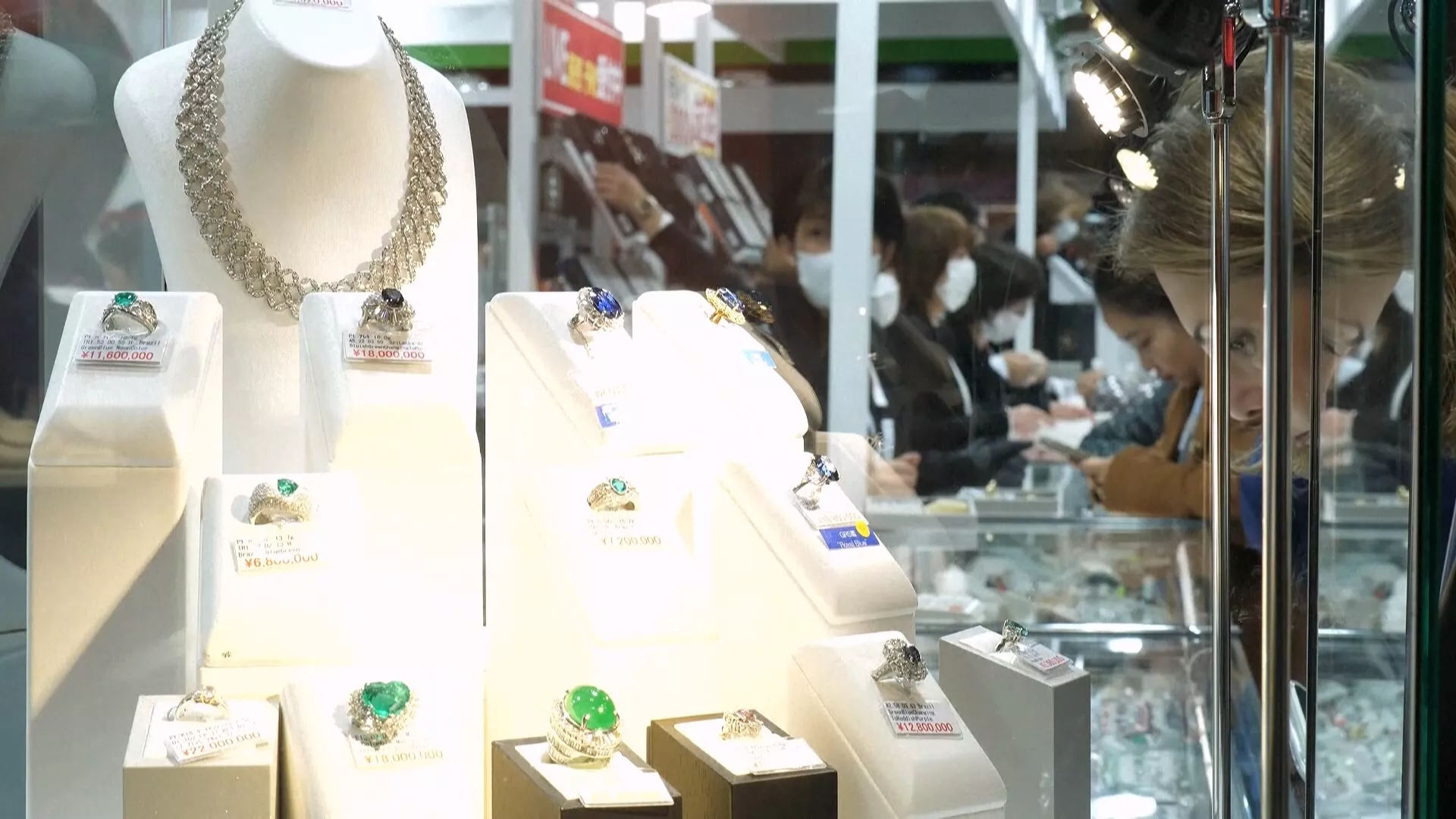
The annual Tokyo International Jewelry Fair, a major event in Japan, is being held at the Tokyo Metropolitan Exhibition Center. The recent surge in gold prices has transformed jewelry from mere accessories into assets for preserving value. The exhibition has attracted buyers from both domestic and international markets, with gold booths drawing the largest crowds. However, prices have jumped by 30% to 40% in just a few months, leading professional buyers to adopt a more cautious approach to procurement.
The exhibition floor is bustling with visitors as the annual Tokyo International Jewelry Fair takes place at the Tokyo Metropolitan Exhibition Center. With increasing global economic uncertainty, gold and silver prices have been rising steadily since the beginning of the year, turning the fair into a hub for high-value assets. Many individuals who previously had no involvement in the gold market, driven by media attention and a desire for safe-haven investments, are now viewing jewelry as part of their asset management. Organizers noted that the strong buying sentiment at gold booths this year reflects the public’s growing reliance on physical assets.
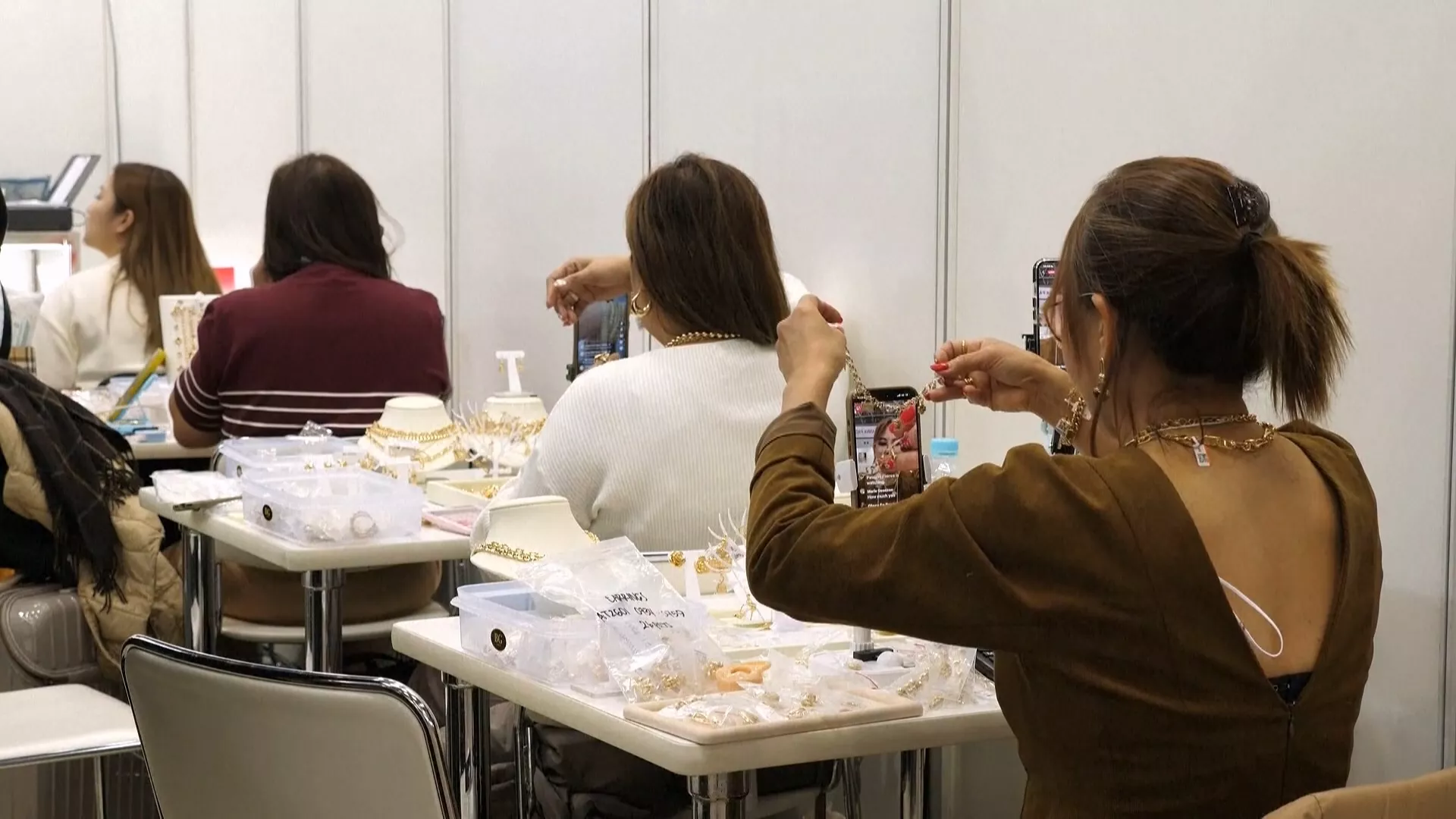
Industry observers have noted that consumers, generally expecting prices to continue rising, are experiencing psychological pressure to “buy before prices go up,” leading to record sales on the first day of the exhibition. The jewelry industry is also strongly sensing that, against the backdrop of simultaneous rises in stock and real estate markets, public interest in physical gold has significantly increased, and the overall industry is on a clear upward trend. Additionally, the rise of cross-border e-commerce and live-streaming sales is transforming traditional jewelry trading models.
Despite the market’s vibrancy, cost pressures have become impossible to ignore for professional buyers. A U.S. live-streamer who has been sourcing in Japan for a long time pointed out that compared to September last year, some jewelry prices have jumped by 30% to 40%. Although Asia still has a labor cost advantage over the U.S., faced with such a huge price gap, end customers have become more conservative, shifting their purchasing behavior from “buy on sight” to “think twice before buying.”
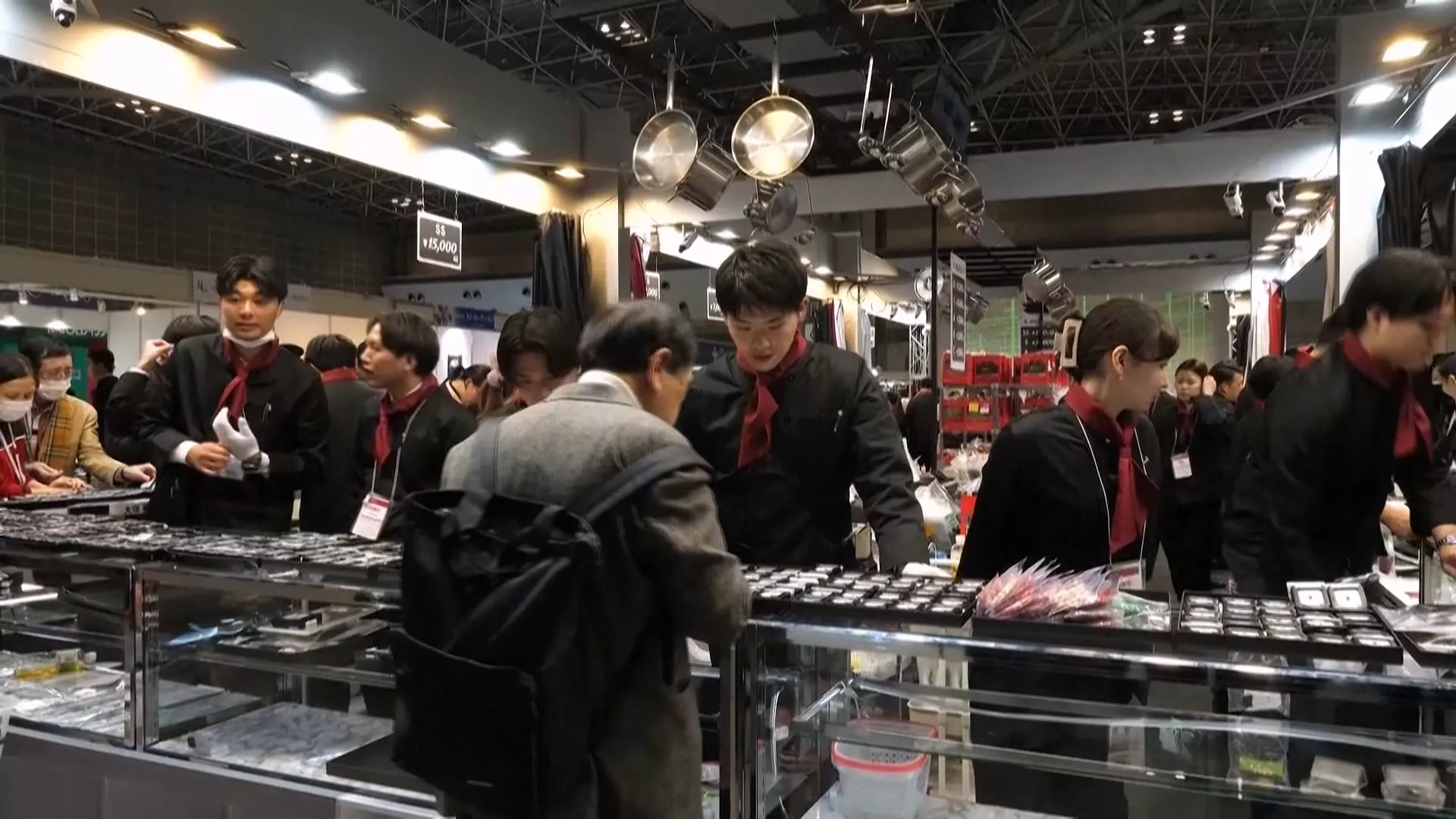
This event, blending fashion and finance, serves as a key barometer for observing global precious metal trends and consumer psychology. Amid inflationary pressures, physical jewelry with asset-preserving characteristics is bound to continue attracting the attention of global investors.