Editor’s Note
The 8th CIIE in Shanghai showcases a 84,000 sqm consumer goods area with over 700 firms from 70+ countries. The jewelry section, featuring gemstones, jade, and diamonds, serves as a key gateway for global jewelers to enter China’s market, earning industry acclaim.
The 8th China International Import Expo (CIIE), being held in Shanghai until November 10, features a consumer goods exhibition area spanning 84,000 square meters, with over 700 companies from more than 70 countries and regions participating. The jewelry section is particularly popular, showcasing a dazzling array of sparkling gemstones, smooth jade, and brilliant diamonds, among other breathtaking pieces.
The jewelry exhibition at the CIIE has become a crucial gateway for global jewelers to enter and expand their presence in the Chinese market, receiving high praise and positive feedback from industry players.
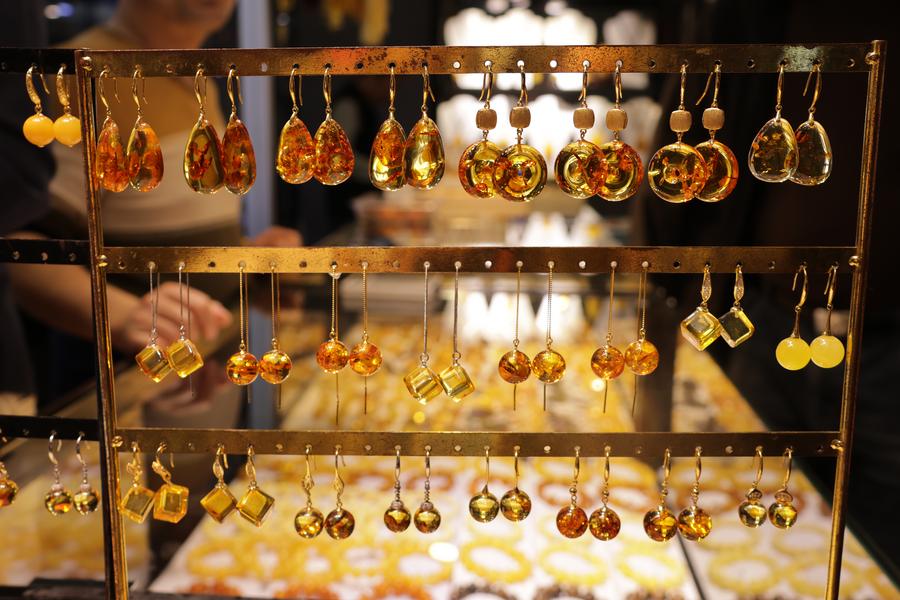
On November 7, visitors admired Baltic amber earrings. (Photo by Xinhua/Lan Jianzhong)
On November 8, Thai necklaces and jewelry were on display. (Photo by Xinhua/Lan Jianzhong)
On November 8, Myanmar jade bangles were showcased. (Photo by Xinhua/Lan Jianzhong)
On November 8, Afghan lapis lazuli bracelets and necklaces were exhibited. (Photo by Xinhua/Lan Jianzhong)
On November 8, Japanese golden pearl rings were presented. (Photo by Xinhua/Lan Jianzhong)
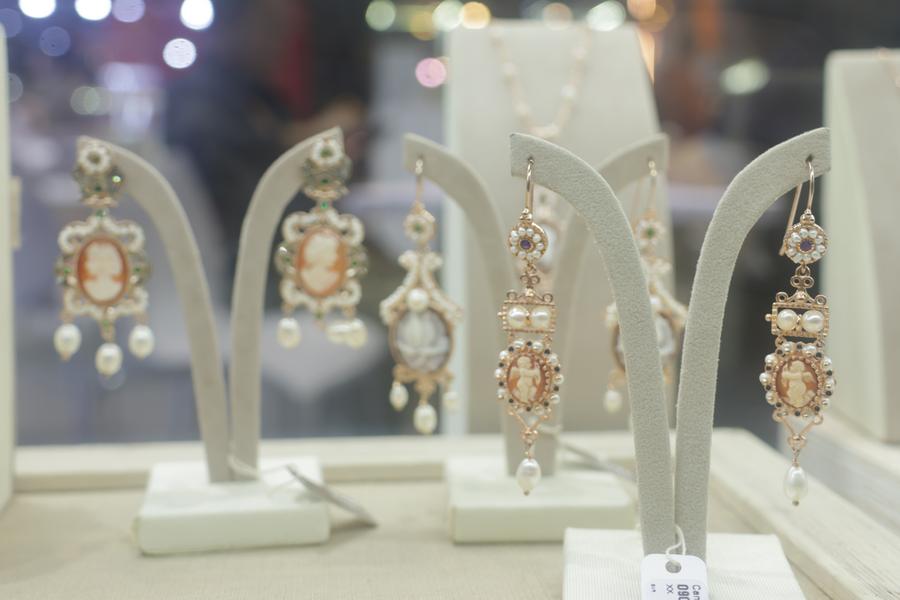
On November 7, Italian shell carvings were displayed. (Photo by Xinhua/Lan Jianzhong)
On November 8, a wooden statue of Guanyin made from Vietnamese agarwood was shown. (Photo by Xinhua/Lan Jianzhong)
On November 8, staff explained Myanmar natural jade accessories to visitors. (Photo by Xinhua/Lan Jianzhong)
On November 7, Russian mammoth tusk crafts were exhibited. (Photo by Xinhua/Lan Jianzhong)
On November 7, Afghan rings were on display. (Photo by Xinhua/Lan Jianzhong)
On November 7, Baltic amber was showcased. (Photo by Xinhua/Lan Jianzhong)
On November 8, visitors examined Afghan jewelry. (Photo by Xinhua/Lan Jianzhong)
On November 7, a Guanyin statue made from Russian mammoth tusk was displayed. (Photo by Xinhua/Lan Jianzhong)
On November 8, Japanese jewelry exhibition booths attracted attention. (Photo by Xinhua/Lan Jianzhong)
On November 8, Afghan amber accessories were presented. (Photo by Xinhua/Lan Jianzhong)
On November 8, Dominican Republic blue amber accessories were exhibited. (Photo by Xinhua/Lan Jianzhong)
On November 8, Japanese pearl rings were showcased. (Photo by Xinhua/Lan Jianzhong)