Editor’s Note
**Editor’s Note:** Kuwayama Co., Ltd. is set to showcase its latest collections at the 37th International Jewellery Tokyo (IJT 2026) under the theme “MAKING SENSE — Sensation and Sensibility.” The exhibition will feature an immersive installation highlighting the fusion of technical craftsmanship and aesthetic vision.
Kuwayama Co., Ltd. (Headquarters: Taito-ku, Tokyo) will exhibit at the 37th International Jewellery Tokyo (IJT 2026), held at Tokyo Big Sight from January 14 (Wednesday) to January 17 (Saturday), 2026. The company will present its exhibition concept “MAKING SENSE — Sensation and Sensibility” alongside new collections.
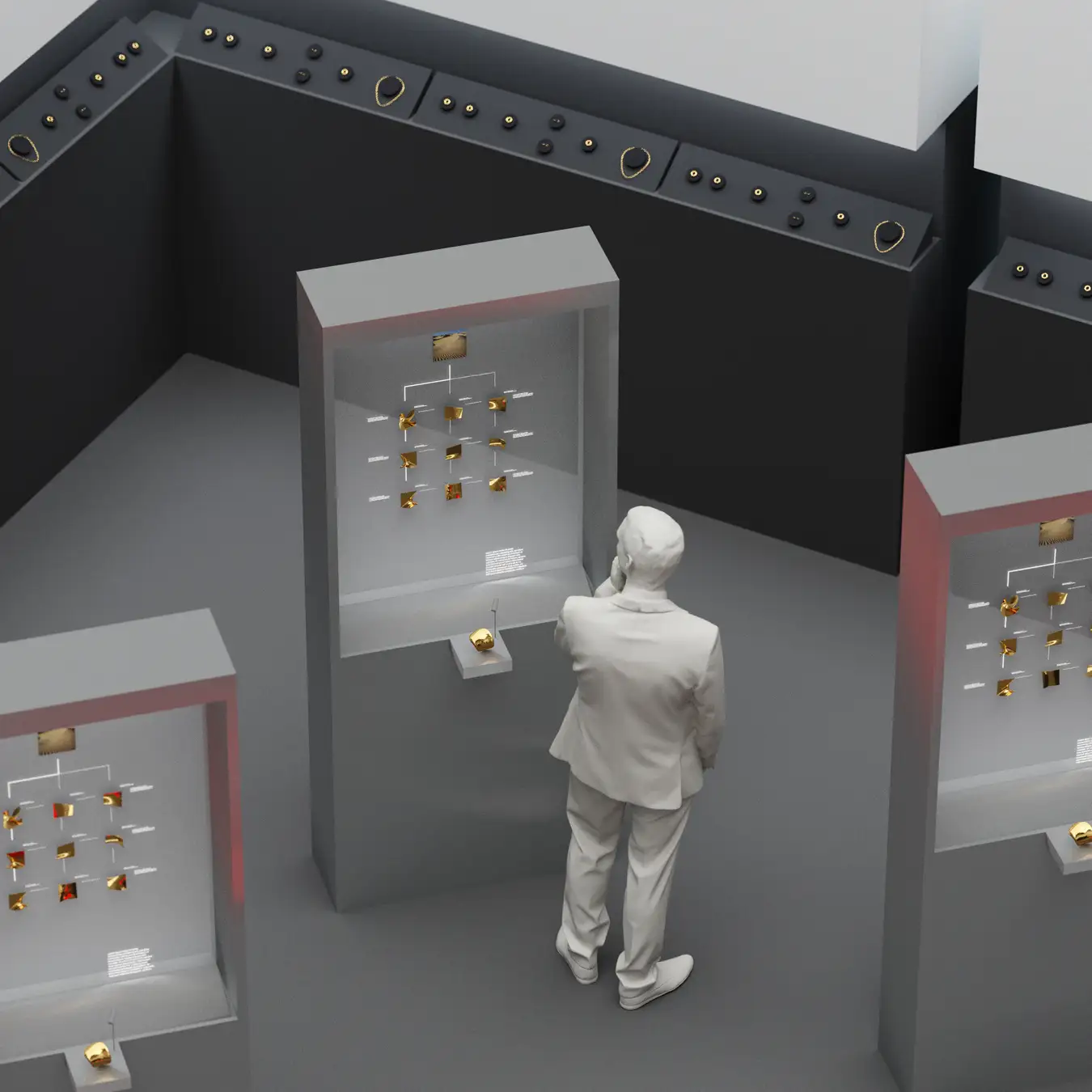
This exhibition visualizes jewelry born from the fusion of Kuwayama’s technical skill and aesthetic sensibility through an installation. Visitors can experience the process of how ideas take shape, a topic rarely discussed before.
The exhibition is structured to help attendees understand two essential aspects of jewelry: technical skill (physical properties) and aesthetic sensibility (sensibility).
As a comprehensive jewelry manufacturer, Kuwayama returns to the fundamental question of “what is good jewelry” and is working to establish a new value standard—the “Kuwayama Standard”—from both technical and expressive perspectives. This exhibition embodies the fusion of technical skill (physical properties) and aesthetic sensibility (sensibility), presenting the allure of jewelry from a fresh viewpoint.
At the venue, Kuwayama will showcase new jewelry pieces, including cast collections, machine chains, and cut rings—products that crystallize the company’s technology and aesthetic sense. Additionally, in the pearl area, the company will introduce a variety of materials and jewelry, including “Blue Rosé Premium” featuring natural blue Akoya pearls, Amami Oshima mabe pearls, and golden South Sea pearls.
Please look forward to Kuwayama’s unique quality and the world of expression infused with sensibility.
Since its founding in 1964, Kuwayama Co., Ltd. has prioritized customer trust and been involved in jewelry planning and manufacturing under the theme “Brilliance Comes To Life.” As a comprehensive jewelry manufacturer, it handles a wide range of activities, from manufacturing precious metal chains, cut rings, cast products, and design chains to supplying materials such as pearls and diamonds. In addition to Kuwayama’s original products, the company manufactures ODM/OEM products for numerous domestic and international jewelry brands using its proprietary technologies and global production system.
Handling everything from planning and design to manufacturing and sales, Kuwayama pursues quality and provides reliable value that meets customer expectations.
International Jewellery Tokyo (IJT) is an annual trade exhibition for jewelry professionals held in Tokyo. It is the largest jewelry exhibition in Japan, with approximately 1,600 exhibitors from 36 countries and about 38,000 buyers visiting.
Dates: January 14 (Wednesday) to January 17 (Saturday), 2026 / 10:00–18:00 (until 17:00 on the final day)
Venue: Tokyo Big Sight, East Exhibition Hall, Booth No. 16-6 / Pearl Section Booth No. 2-28
■ Kuwayama Official Website: https://www.kuwayama.co.jp
■ Kuwayama Official Instagram: https://www.instagram.com/kuwayama___
■ Kuwayama Facebook: https://www.facebook.com/profile.php?id=100088843667063
For inquiries, please contact: [email protected] (Marketing Planning Section)