Editor’s Note
Target partners with Kendra Scott for an exclusive jewelry line launching Oct. 22, featuring over 200 pieces starting at $15, with dedicated minishops in select stores to boost sales.
Target to sell exclusive line of Kendra Scott jewelry, hoping to stoke fallen sales
The collection will include more than 200 pieces with prices starting at $15 and the majority of items under $40.
By Nicole Norfleet
September 13, 2023 at 10:39AM
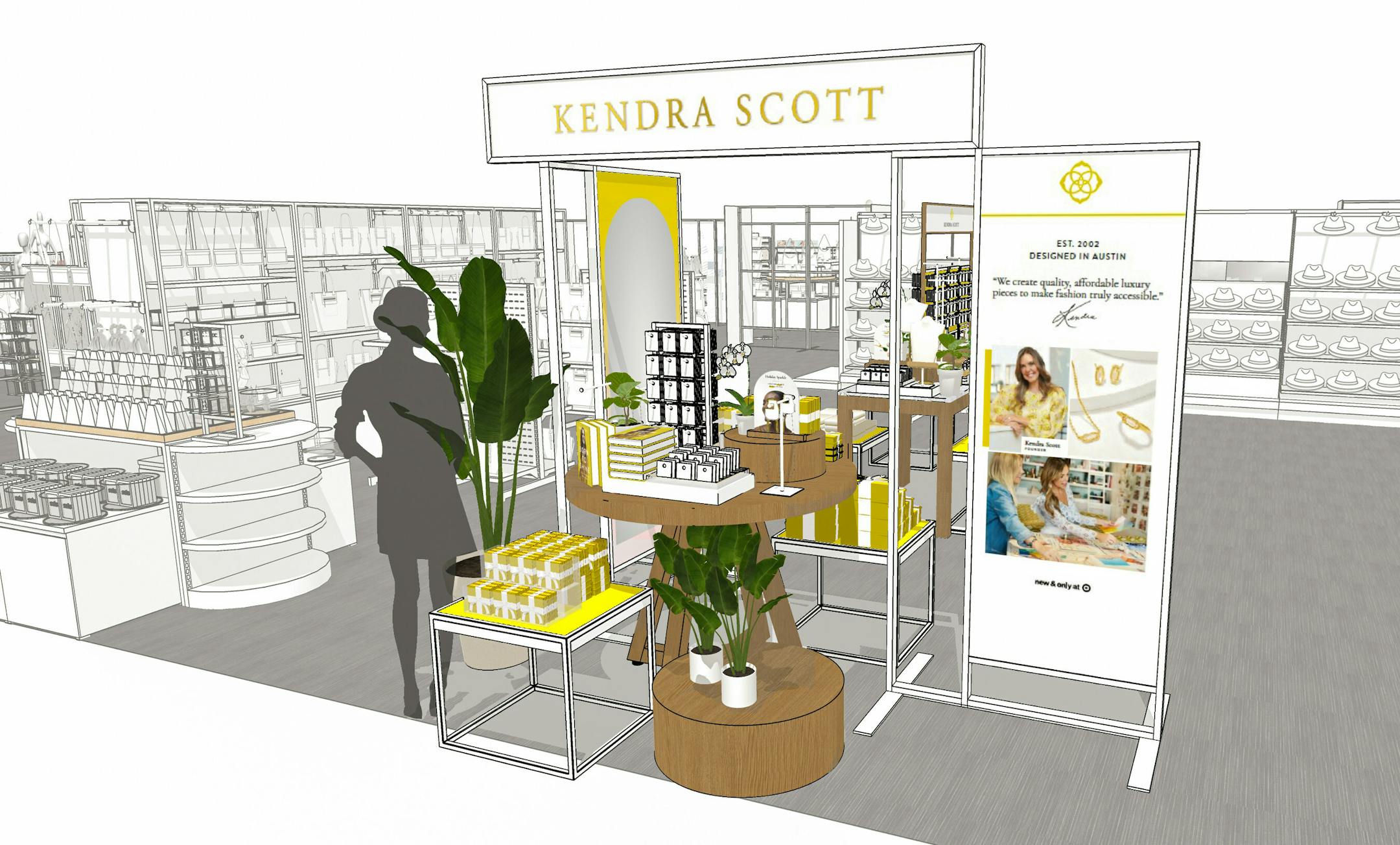
Jewelry brand Kendra Scott will have dedicated displays in select Target stores. (Target Corp./The Minnesota Star Tribune)
![STEVE RICE • srice@startribune.com Duluth, MN 06/01/2009] The sign in front of the Northern Waters Smokehaus.](https://arc.stimg.co/startribunemedia/XLVSINWFS45GCH4UVWA3565SHQ.jpg?&w=436&ar=3:2&fit=crop)
Starting this fall, Target shoppers won’t have to go to the mall to snag Kendra Scott jewelry or accessories.
The Minneapolis retailer is partnering with the jewelry brand to offer exclusive designs only available at Target beginning Oct. 22.
At select Target stores, shoppers will see dedicated Kendra Scott minishops within the jewelry and accessories department. This will include elevated displays that look similar to some of Target’s popular home designer partnerships like Shea McGee’s Studio McGee and Joanna Gaines’ Hearth & Hand with Magnolia.
The collection will be available in about 150 stores as well as online. The Target store in Edina will be one of a few flagship locations for the partnership and the only one in Minnesota. The other two locations are in Texas.
The collection will include more than 200 pieces with regular updates, and prices start at $15 with the majority of items under $40. That’s a significant discount compared to prices at department stores (like Nordstrom and Macy’s) or her standalone stores (like the one in Mall of America).

Target, like many other retailers, has seen less people buy discretionary items in recent months as the high cost of necessities has sapped consumers’ budgets. For Target — which relies more on the home goods, clothes and other wanted-but-not-needed items people buy on a whim — the Kendra Scott collection is a grab to entice shoppers to open their wallets.
Target is also revamping some of its other categories to appeal to shoppers, such as its flagship private brand Threshold, which just received a major facelift with new branding and better price points.
In May, June and July, comparable sales for Target fell more than 5%, the first time sales of this kind dropped in six years. Store and online traffic was also down nearly 5%. Target leaders have lowered their sales forecast to predict a midsingle-digit decline for the rest of the year.
The Kendra Scott collection will have necklaces, rings, earrings and jewelry storage like ring dishes featuring Kendra Scott designs, genuine stones and 14-karat gold over brass.