Editor’s Note
**Editor’s Note:** This article explores the unique benefits of purchasing jewelry in your 20s—from boosting confidence and preserving memories to serving as a long-term investment. We share expert insights on its historical charm and asset value, encouraging young buyers to think beyond the moment.
Wearing jewelry naturally boosts confidence, allows you to experience beautiful places, and its value can increase over time… Buying jewelry is more than just a purchase—it’s an investment! For your present self, and for who you’ll be in 10 or 20 years, we delve into its historical charm and asset value. In Vol. 3, we share insights from a gem dealer on why you should buy jewelry in your 20s and words of encouragement.
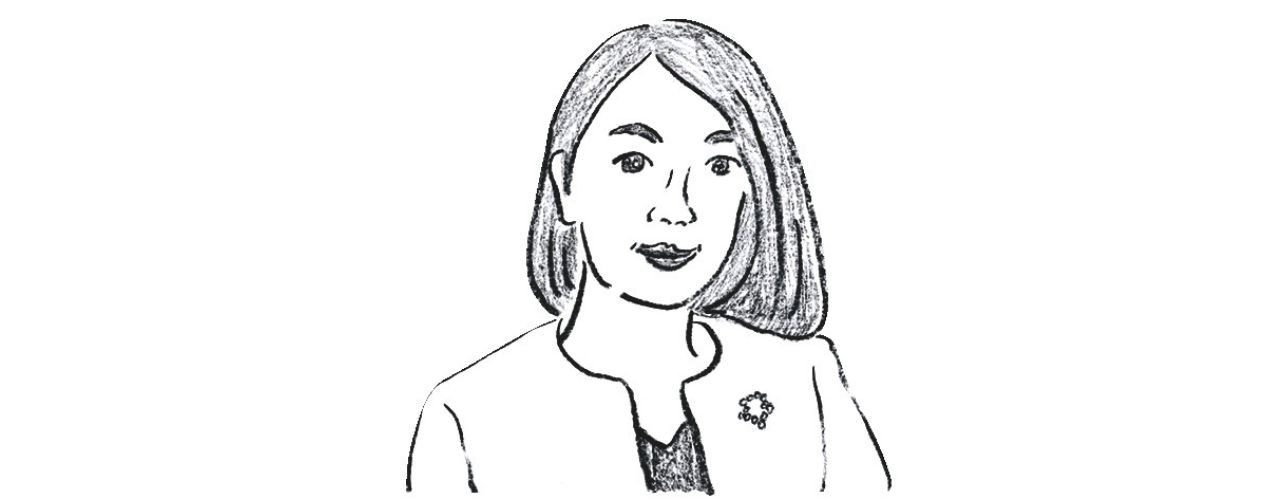
Our experts: Gem dealers Hisako Suwa and Kyoichi Suwa
Hisako Suwa
Representative Director of Suwa Trading Co., Ltd. (SUWA). Graduated from Keio University’s Faculty of Law. Familiar with the family jewelry business since childhood. After working at the Bank of Tokyo-Mitsubishi (then) and Tiffany Japan, she engaged in translation and proofreading of jewelry-related documents. Holds a GIA Gemologist certification.
Kyoichi Suwa
Chairman of Suwa Trading Co., Ltd. (SUWA). Graduated from Keio University’s Faculty of Economics. First Japanese to obtain the GIA Gemologist certification. Also contributes to the spread of gem culture, including supervising special exhibitions at the National Museum of Nature and Science. Author of many books including ‘The Definitive Guide to Gemstones’ (Sekai Bunka Publishing).
The price of gold was around 1,000 yen per gram in the 1970s, but rose to about 6,000 yen in 2020, and then to about 12,000 yen in 2024—doubling in just a few years. For jewelry that has aged for some time, even without assessing the design or gemstone value, the precious metal alone has become extremely valuable. By the end of September 2025, it exceeded 20,000 yen, and future outlooks are divided. However, the fact that it can be properly priced in the secondary market is one indicator of ‘asset value.’
Originally, gemstones and precious metals circulate across borders and maintain their value in line with inflation, so jewelry has inflation resistance. However, much of the ‘jewelry’ currently on the market is actually classified as accessories, and some prices do not match quality. Therefore, not all jewelry maintains its value.
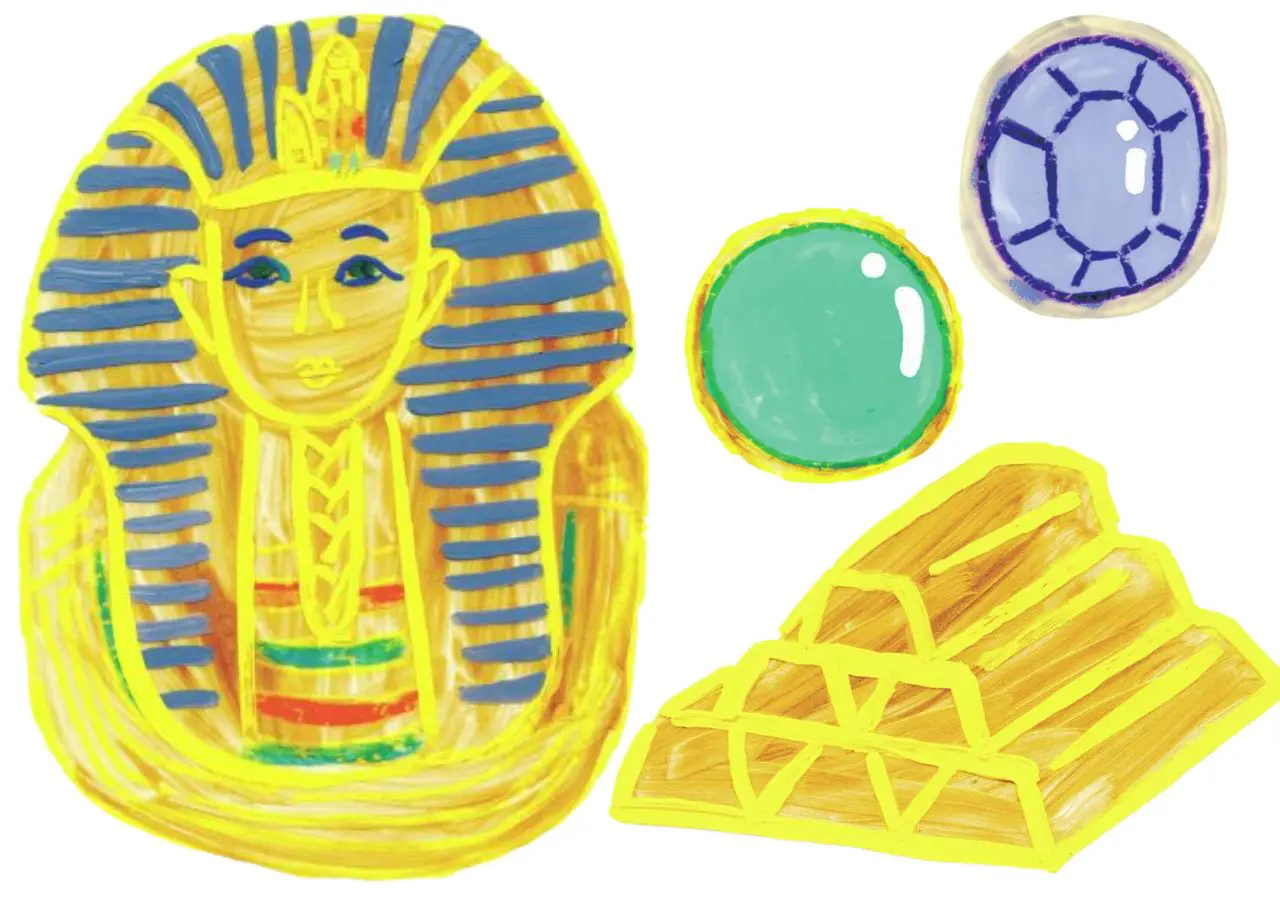
The history of jewelry began with human history. Cultures emerged where beautiful stones and shells were collected and worn as ornaments, and special gemstones became symbols of wealth and power. Gold and silver played a role in supporting economies as currency. After the Industrial Revolution in the 18th century, jewelry culture was no longer exclusive to royalty and nobility, becoming widespread. Today, the world of jewelry is increasingly diverse, ranging from high-value pieces traded on international markets to mass-produced items and one-of-a-kind works by artisans.
If viewed solely as asset value, the definition of jewelry narrows drastically. However, just as most diamonds formed over a billion years ago, the history of jewelry is immeasurably long. That’s why it’s important not to measure value only in terms of the next 10 or 100 years, but to cherish and admire it. Jewelry is both an asset and the ultimate sustainable item, offering the joy of wearing it, feeling excited, and passing it on to the next generation. With a perspective of ‘half enjoyment, half asset,’ try choosing a piece you can love for a long time.
A survey was conducted among 20 CanCam reader models (‘it girls’) in their 20s who are positive about buying jewelry.
Q. Why do you want jewelry while in your 20s?
We’ve shared insights from a gem dealer on the asset value of jewelry and why you should buy it in your 20s. To choose a piece you can love for a long time, it’s important to identify true asset value—not just monetary worth, but also ‘what is valuable to you.’ Take your time, don’t rush, and start your search for your most beloved jewelry ♪
▼ Check out [Jewelry Introduction for Women in Their 20s] Vol. 1 and 2 ↓
“You don’t have to think ‘it must be a lifetime piece from the start'” – How to Enjoy Jewelry in Your 20s, According to Experts
CanCam.jp
2026 is the ‘Year of Water.’ These 4 Jewelry Pieces You Should Buy! – According to a Feng Shui Master [Jewelry Introduction for Women in Their 20s]
CanCam.jp
From the December 2025 issue of CanCam: ‘Reasons to Get Jewelry in Your 20s’
Illustration / Misa Itoi, Composition / Rina Kawaguchi, Web Composition / Asuka Inagaki