Editor’s Note
**Editor’s Note:** Louis Vuitton’s “Savoir Rêver” exhibition in Taipei reimagines travel as an aesthetic journey, blending luxury with nostalgia. Open through May 4, it offers a first look at new pieces in evocative settings.
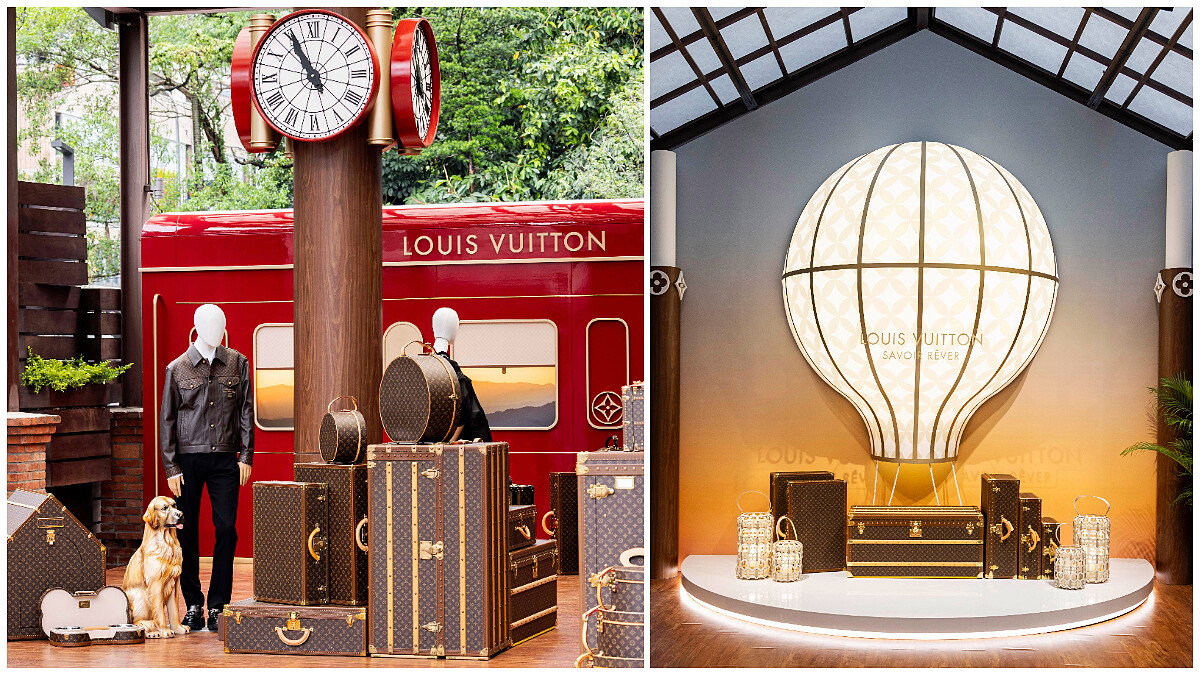
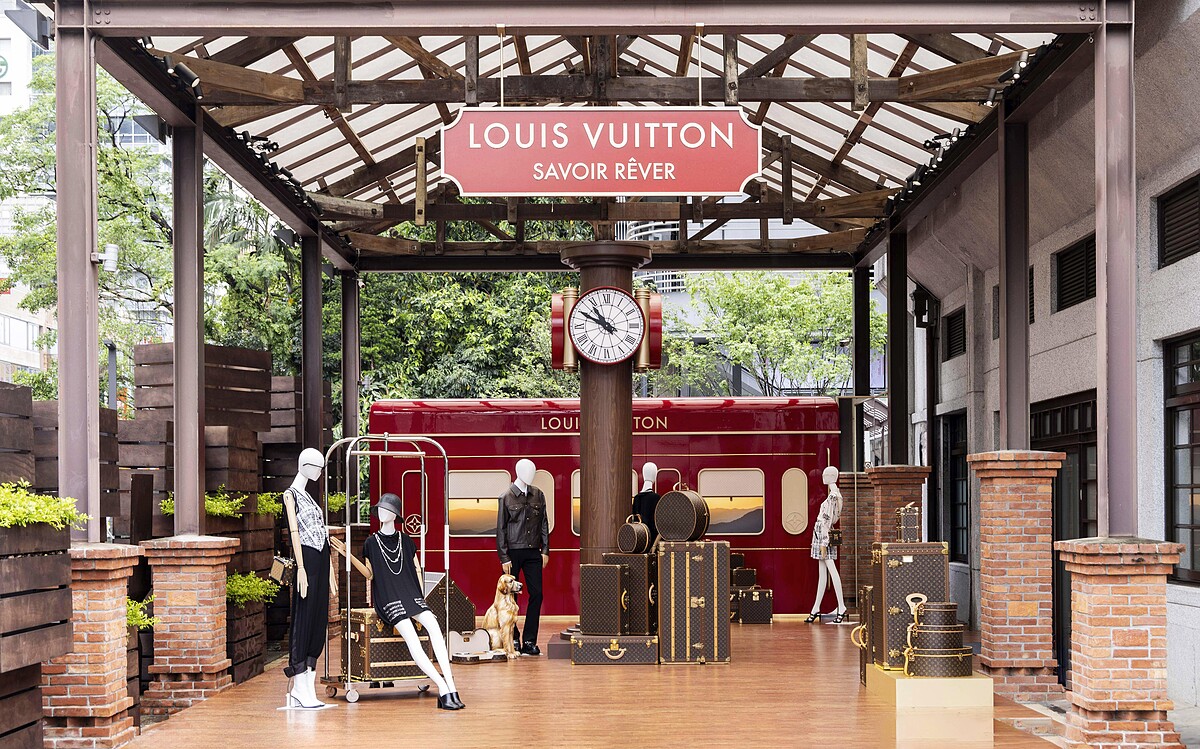
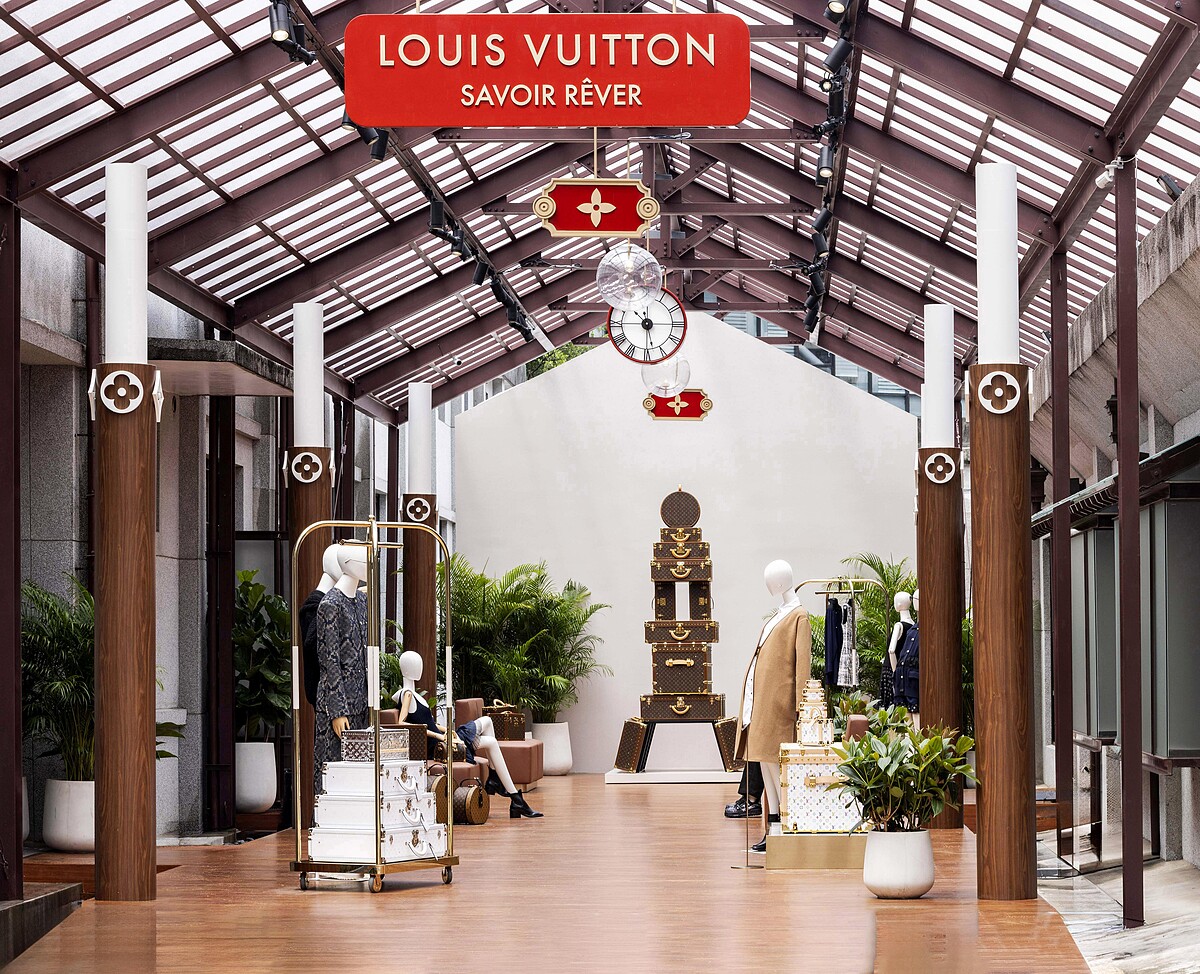
Louis Vuitton’s 2025 “Savoir Rêver” Exhibition is now open at Taipei Bottle Cap Factory, running from April 24 to May 4. The exhibition recreates scenes from luxury cruise ships, European train stations, and platform waiting areas, showcasing multiple new pieces for the first time. Stylish collectors are encouraged to book appointments.
by Kris Lin – 2025/04/24 Updated
Photo / DR
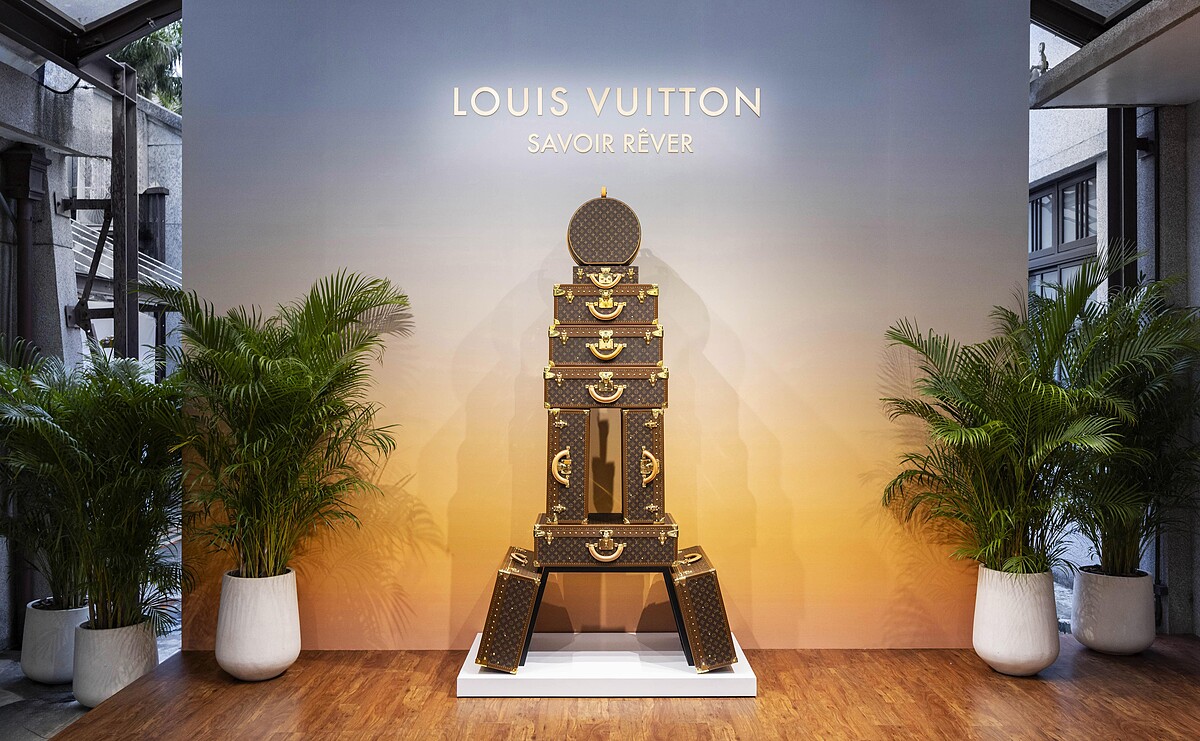
Travel is never just about departure and arrival; it is an experience and philosophy of time, taste, and aesthetics. Louis Vuitton, a fashion house founded in 1854 as a trunk maker, has defined the benchmark of luxury travel through over 160 years of trunk craftsmanship. With its workshop culture at the core, it has created countless classics and legends.
In 2025, the new “Savoir Rêver” Exhibition echoes the brand’s travel spirit, transforming into a 19th-century Paris train station.
The French term “Savoir Rêver” means “to know how to dream,” supporting Louis Vuitton’s brand belief—only by truly understanding dreams can they be realized through handcraft. This exhibition brings together the brand’s full spectrum of craftsmanship, design, art, and culture, from classic trunks and rare leather bags to the Asia-debuting Home Collection, Objets Nomades lifestyle art pieces, Les Petits Nomades home decor series, and the latest high jewelry and watches, creating a flowing dream palace.
The 2025 “Savoir Rêver” Exhibition is divided into several zones. First, in the “Setting Sail” area, you can experience the deck of a cruise ship, featuring rare leather women’s bags, haute couture gowns, classic high jewelry collections, Objets Nomades lifestyle furniture, and various women’s trunks. Next, the “Refined Craftsmanship” area showcases the brand’s technical skills, with artisans from the Asnières workshop demonstrating trunk-making on-site, alongside Murakami’s cherry blossom-patterned trunk and the Asia-debuting Home Collection from Milan Furniture Fair.
Additionally, the “Pharrell Train” area, curated by Men’s Artistic Director Pharrell Williams, features a mysterious midnight blue design, including previews of the 2025 Fall/Winter men’s collection, custom Rarex series, rare leather men’s bags, Malle Sake sake trunk, and Malle Ceremonie Matcha tea ceremony trunk.
The final “High Jewelry & Watches” zone is inspired by the luxurious Orient Express, presenting jewelry and watch art pieces as scenic highlights of the journey.
Highlight 1 / Taiwan Exclusive Hand-Painted Trunk
The “Chi Hu” hand-painted trunk, themed “Chi Hu Sets Sail, Gold Leaf Louis, Trunk Travels with Veyron,” combines traditional Taiwanese “Chi Hu” patterns with Louis Vuitton’s classic trunk design, incorporating gold leaf craftsmanship for enhanced collectible value. NTD $3,333,000
Highlight 2 / Cherry Blossom Pattern Trunk
Louis Vuitton x Murakami Courrier Lozine 110 Cherry Blossom Trunk, made with classic Monogram coated canvas and leather cherry blossom patches. NTD $2,730,000
Highlight 3 / Cherry Blossom Beauty Trunk
Louis Vuitton x Murakami Cherry Blossom Beauty Trunk, with Monogram coated canvas and vibrant leather cherry blossom patches, featuring a playful ballet pink interior. NTD $6,650,000
Highlight 4 / Malle Lit Monogram Sofa Bed Trunk
A reimagined historic Malle Lit, now a contemporary sofa bed or bed, combining comfort and style. NTD $5,400,000
Highlight 5 / Malle Vin Wine Tasting Trunk
Includes 3 mirrors, 3 oak drawers, storage for up to 18 bottles, 6 champagne glasses (Riedel), 6 white wine glasses (Riedel), 6 Burgundy glasses, 1 white wine decanter (Riedel), 1 red wine decanter (Riedel), 1 candlestick, 1 bottle holder (Christofle), 1 corkscrew, 2 corks, 2 pourers, 1 ice bucket, and 1 cork holder. NTD $6,600,000
Highlight 6 / Malle Sake Sake Trunk
A masterpiece celebrating French and Japanese craftsmanship, created in collaboration with Pharrell Williams and Nigo, including sake cups, bottles, and an ice bucket. NTD $6,750,000
Highlight 7 / Petite Valise Icones Miniatures Trunk Bag
Inspired by three iconic travel trunks, crafted with red Epi leather, orange Vuittonite coated fabric, and olive green canvas. NTD $745,000
Highlight 8 / Signature Collection Pegase Chair
Designed by Cristián Mohaded, inspired by the mythical winged horse Pegasus, featuring leather and natural wood with elegant lines. NTD $347,000
Highlight 9 / Signature Collection Atlas Long Table
A sculptural piece combining agate and travertine, with Monogram diamond pattern outlines. Upper table: NTD $960,000; Lower legs: NTD $530,000
Highlight 10 / Signature Collection Lagoon Sofa
Designed by Patrick Jouin, a functional sculpture with a curved back and natural leather trim, priced from NTD $550,000 to $6,500,000
Date: April 24 to May 4
Location: Taipei Bottle Cap Factory, No. 13, Section 2, Nangang Road, Taipei
VIP appointment only