Editor’s Note
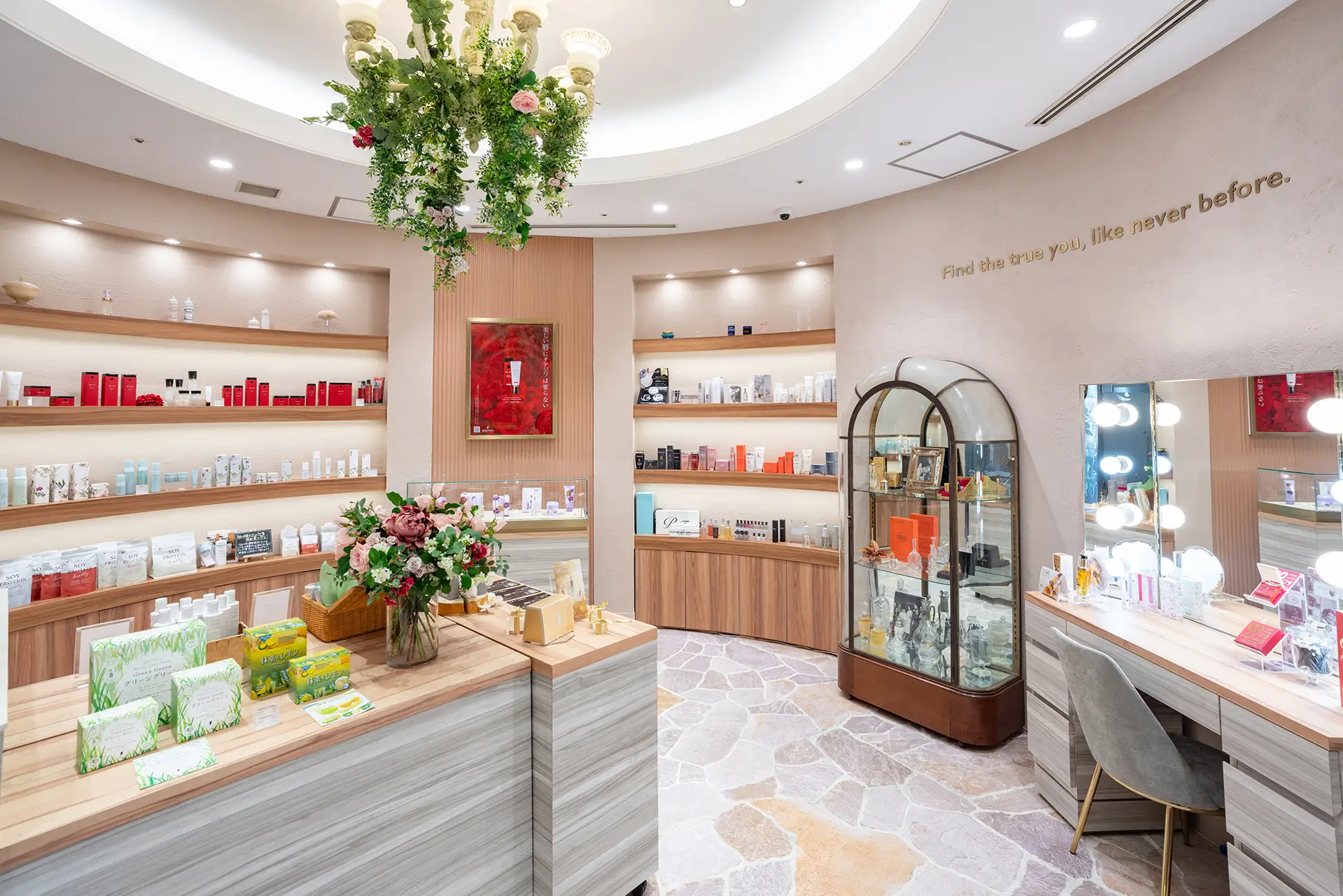
London-based sustainable jewelry brand big metal london makes its pop-up debut at BEAUTY CELLAR Roppongi Hills, running from August 18 to September 15, 2025. Discover their latest boutique-style, innovative collections.
New Arrival! Pop-Up of Sustainable Jewelry ‘big metal london’ from London, UK Starts at BEAUTY CELLAR Roppongi Hills Store
Boutique-style, innovative jewelry returns with new collections.
Hollywood Co., Ltd.
August 21, 2025, 12:00 JST
BEAUTY CELLAR Roppongi Hills Store, directly operated by Hollywood Co., Ltd. (Headquarters: Roppongi, Minato-ku, Tokyo), will host a pop-up store for ‘big metal london’ from London, UK, from Monday, August 18, 2025, to Monday, September 15, 2025.
Period: Monday, August 18, 2025 – Monday, September 15, 2025
Store: BEAUTY CELLAR BY HOLLYWOOD Roppongi Hills Main Store
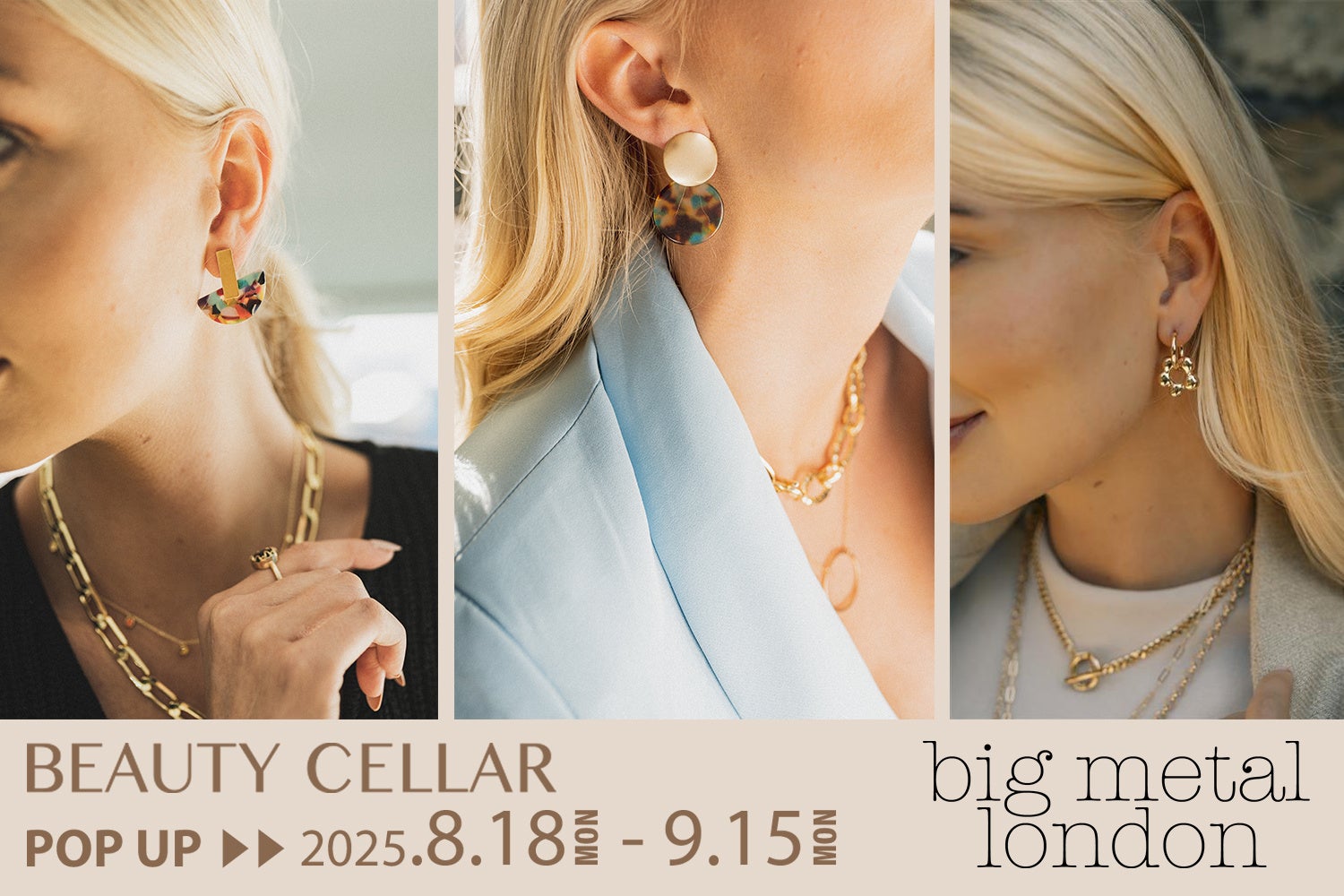
Address: 3F Hollywood Beauty Plaza, 6-4-1 Roppongi, Minato-ku, Tokyo
Business Hours: 9:00 – 18:00
To make ethical fashion accessible to many, big metal london offers a wide range of sustainable jewelry designs at affordable prices.
– Utilizes surplus materials from sunglasses manufacturing and 50% recycled materials.
– Environmentally conscious: brass products feature 22K gold or silver plating, with a durable resin coating.
– Uses ethically sourced materials; jewelry is free of nickel, lead, and cadmium.
– Earrings use hypoallergenic surgical steel.
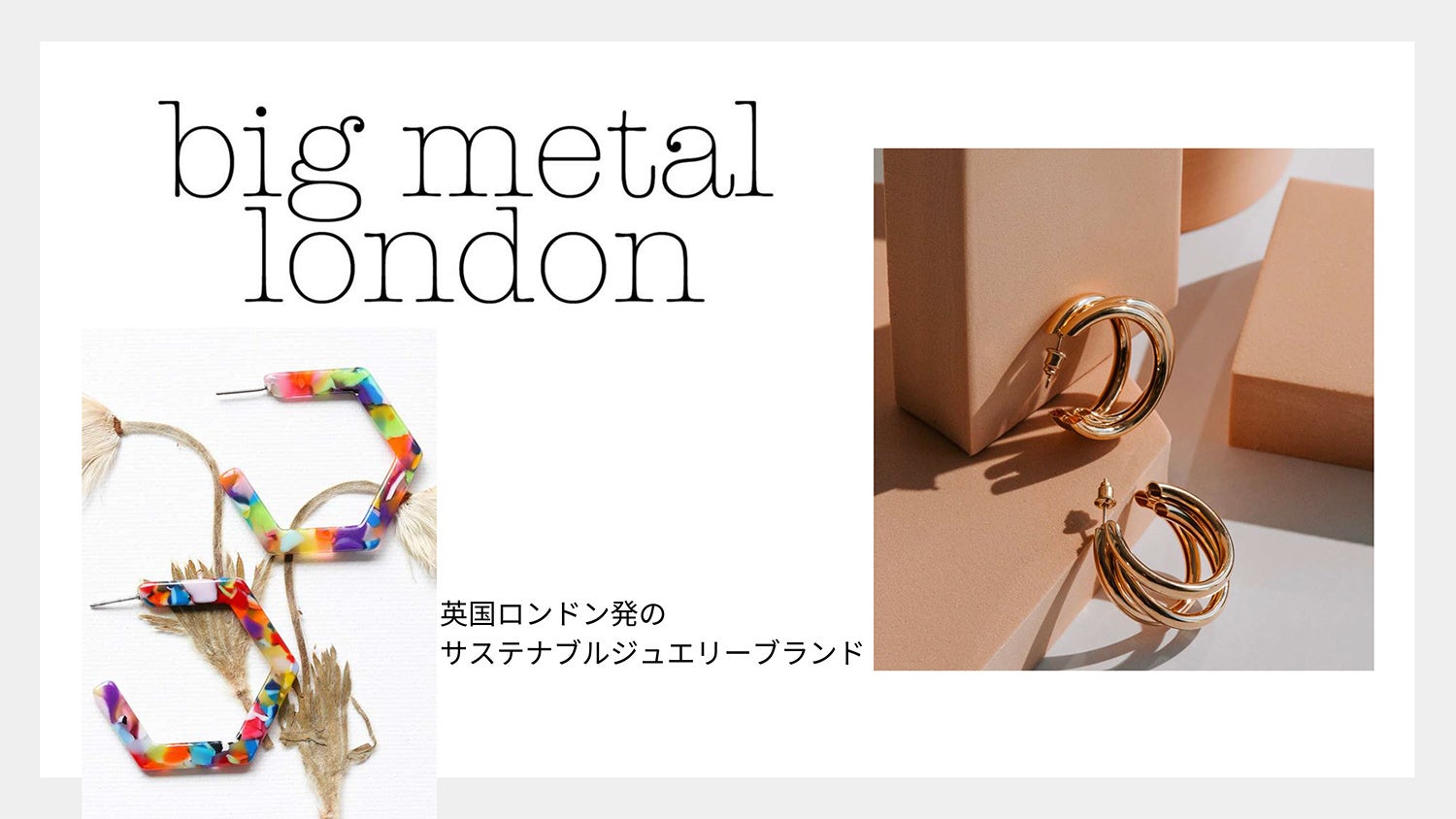
– Complies with US and EU standards.
Official Website: https://www.bigmetallondonjp.com/
BEAUTY CELLAR BY HOLLYWOOD Roppongi Hills Main Store
Address: 3F Hollywood Beauty Plaza, 6-4-1 Roppongi, Minato-ku, Tokyo
Phone: 03-3408-1613
Website: https://beautycellar-hw.com/store/1274/
For the latest information, please check Instagram: @hollywood_beauty_cellar
https://www.instagram.com/hollywood_beauty_cellar/
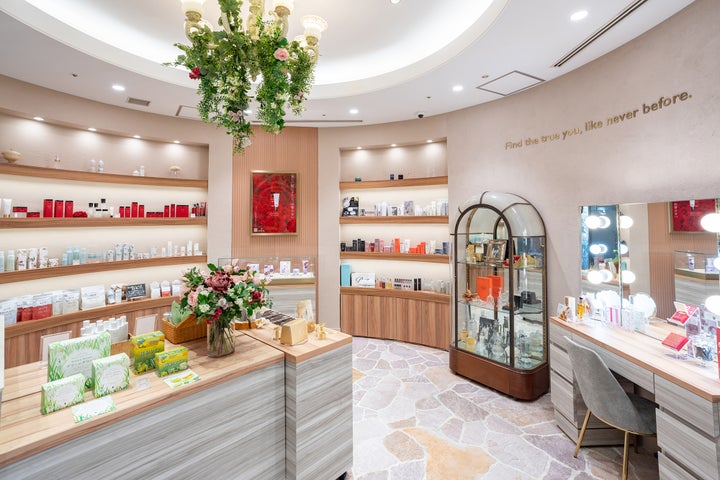
Access: 3F, Roppongi Hills Hollywood Beauty Plaza Building. Directly connected from Exit 1C of Roppongi Station on the Hibiya Line. Parking available at Roppongi Hills P12, directly connected to the building.