Editor’s Note
**Editor’s Note:** This article provides an overview of The Piercing, a specialty shop in Seoul’s Namdaemun Market offering a wide range of body jewelry made from hypoallergenic materials like gold, silver, surgical steel, and titanium.
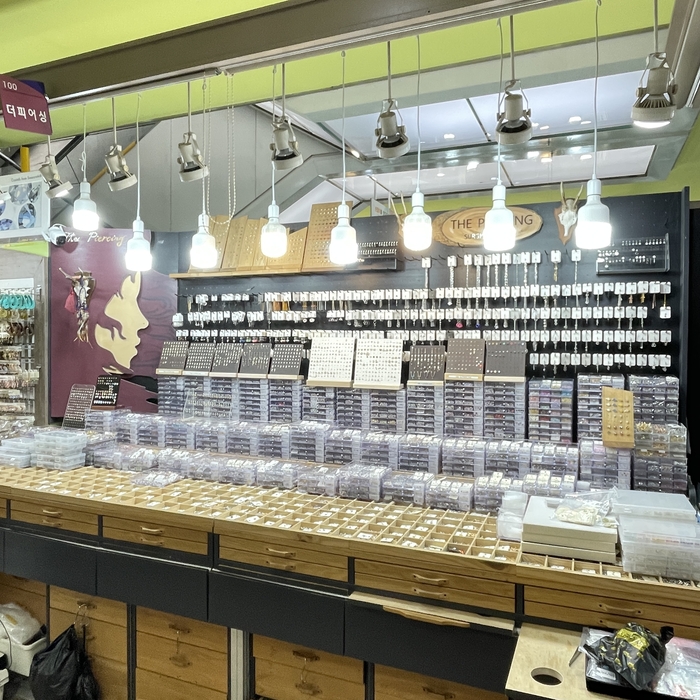
The Piercing, located at Namjeong Sangga in Seoul’s Namdaemun Market, specializes in piercings made from various materials including gold, silver, surgical steel, and titanium. It supplies products crafted from 14K, 18K, and 24K gold, 925 silver, surgical steel (316L), and titanium. All items use nickel-free materials to minimize skin irritation and inflammation.
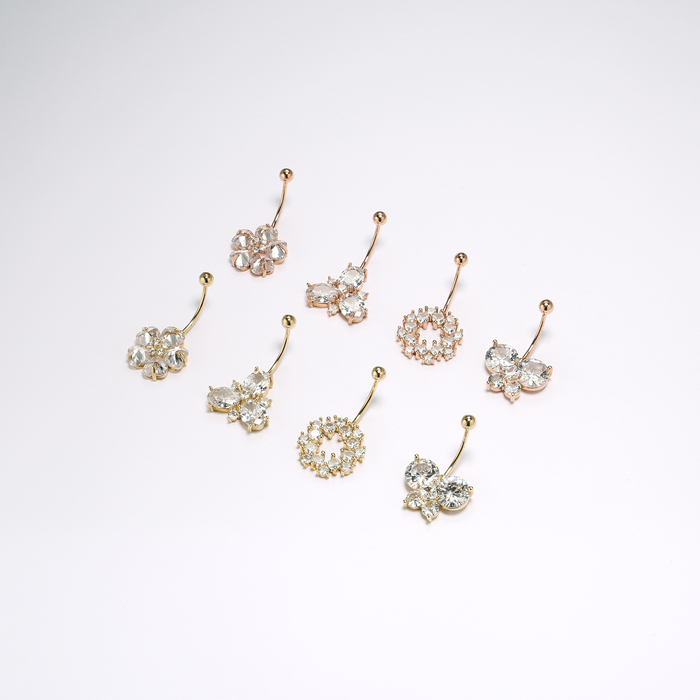
The Piercing sells earrings, bracelets, necklaces, and rings, including piercings for various body parts such as tragus, helix, inner conch, outer conch, daith, snug, rook, barbell, ring, and stud. With its own production line, it also offers custom designs and branded merchandise.
Standard piercings are made with a brass head combined with a surgical steel (316L) bar and ball. Titanium piercings are crafted from medical-grade titanium. Decorative elements include cubic zirconia, pearl, opal, Swarovski crystals, and natural stones.
Consumer response has been positive. One online shopping mall operator said:
A female customer in her 20s shared:
Another business owner running an accessory store commented:
The Piercing operates a wholesale-only transaction system. First-time transactions require verification of a business registration certificate. Standard piercings and surgical/titanium products can be ordered in minimum quantities of three per type, while silver and 14K gold items can be ordered individually. After purchase, the company offers re-plating services for color changes and after-sales service for select products.
The Piercing supports online orders through its wholesale-only site, The Golden, and new product updates are available on its Instagram account. It also exports products to overseas buyers in Japan and Europe.
A representative from The Piercing stated: