Editor’s Note
**Editor’s Note:** Nōsaku, the renowned Takaoka-based tin lifestyle brand, ventures into jewelry with the launch of “NS by Nōsaku,” marking its first physical store at Coredo Muromachi. The move follows its 2023 acquisition of OEM manufacturer Uvonex, with architect Yuko Nagayama shaping the debut collection and store design.
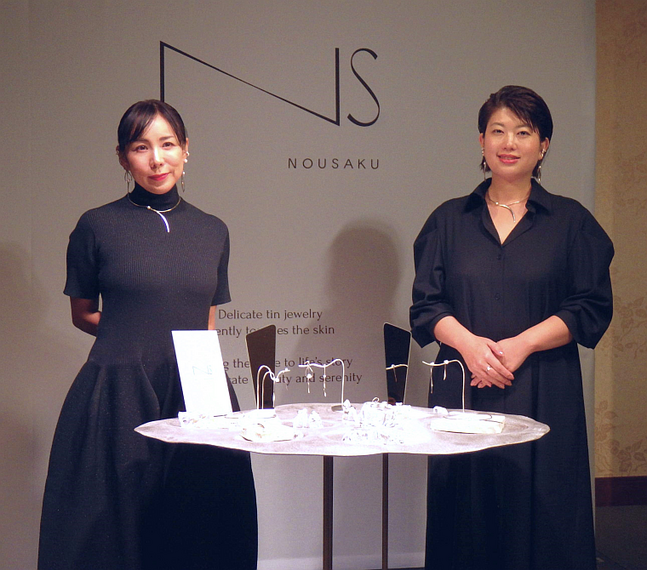
Nōsaku, a cast metal manufacturer based in Takaoka City, Toyama Prefecture, known for its tin lifestyle products, has launched an original jewelry brand “NS by Nōsaku” as a new business venture. Online sales began on November 6 via its own e-commerce site. To initiate the business, the company acquired jewelry OEM manufacturer Uvonex in 2023. The first collection and store design were handled by architect Yuko Nagayama, and the first physical store will open at Coredo Muromachi on November 20.
Founded in 1916, Nōsaku currently operates 19 stores, with sales exceeding ¥2.2 billion in the fiscal year ending September 2024. In recent years, its sophisticated tin tableware and lifestyle items have gained strong support. Regarding the jewelry business, President Chiharu Nōsaku stated:
The business concept was inspired by frequent consumer requests for “something wearable” and a desire to deliver happy moments through tin jewelry, coinciding with the tin wedding anniversary (10th year). The company also aims to attract younger and broader customer segments.
Product development involved creating a unique new material by blending gold with tin, leveraging the expertise of artisans from both Nōsaku and Uvonex. The design focuses on tin’s unique softness, lightness, and skin-friendly qualities. Architect Yuko Nagayama commented:
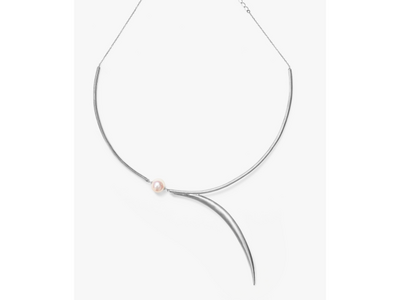
Approximately 25 models have been designed, featuring slender, curved tin lines adorned with Akoya pearls. Many items are customizable, allowing replacement of earring back parts. Ear cuffs and open rings can be slightly adjusted to fit the body. The collection is gender-neutral, with prices mainly ranging from ¥20,000 to ¥40,000.
A pop-up store will be held at Isetan Shinjuku Main Store 1st floor from November 13 to 19. Following the Coredo Muromachi store, the company is considering further openings in commercial facilities.