Editor’s Note
This piece highlights the significance of International Museum Day at the Amrapali Museum, emphasizing Jaipur’s cultural heritage and its rising global recognition as a hub for fashion and design.
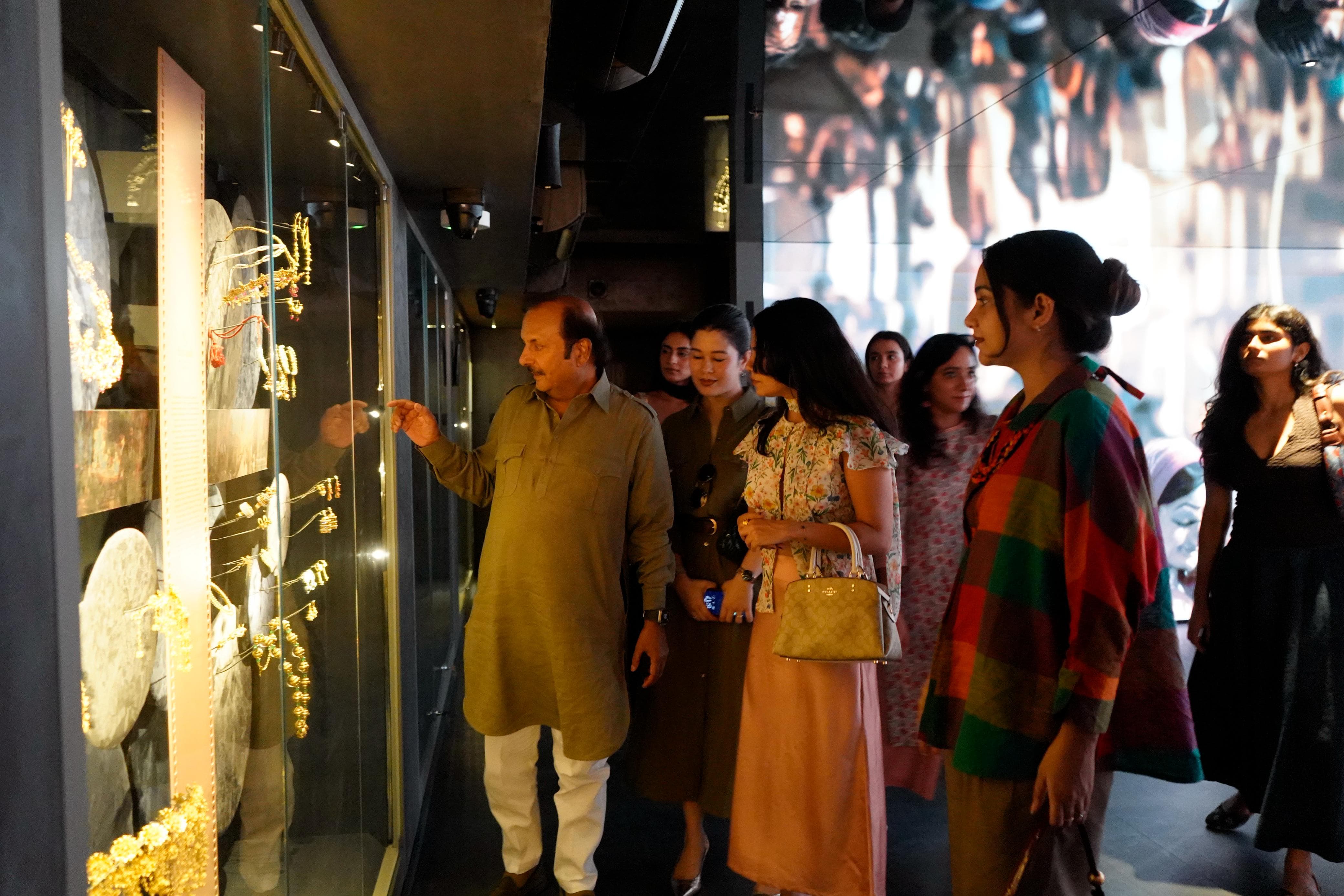
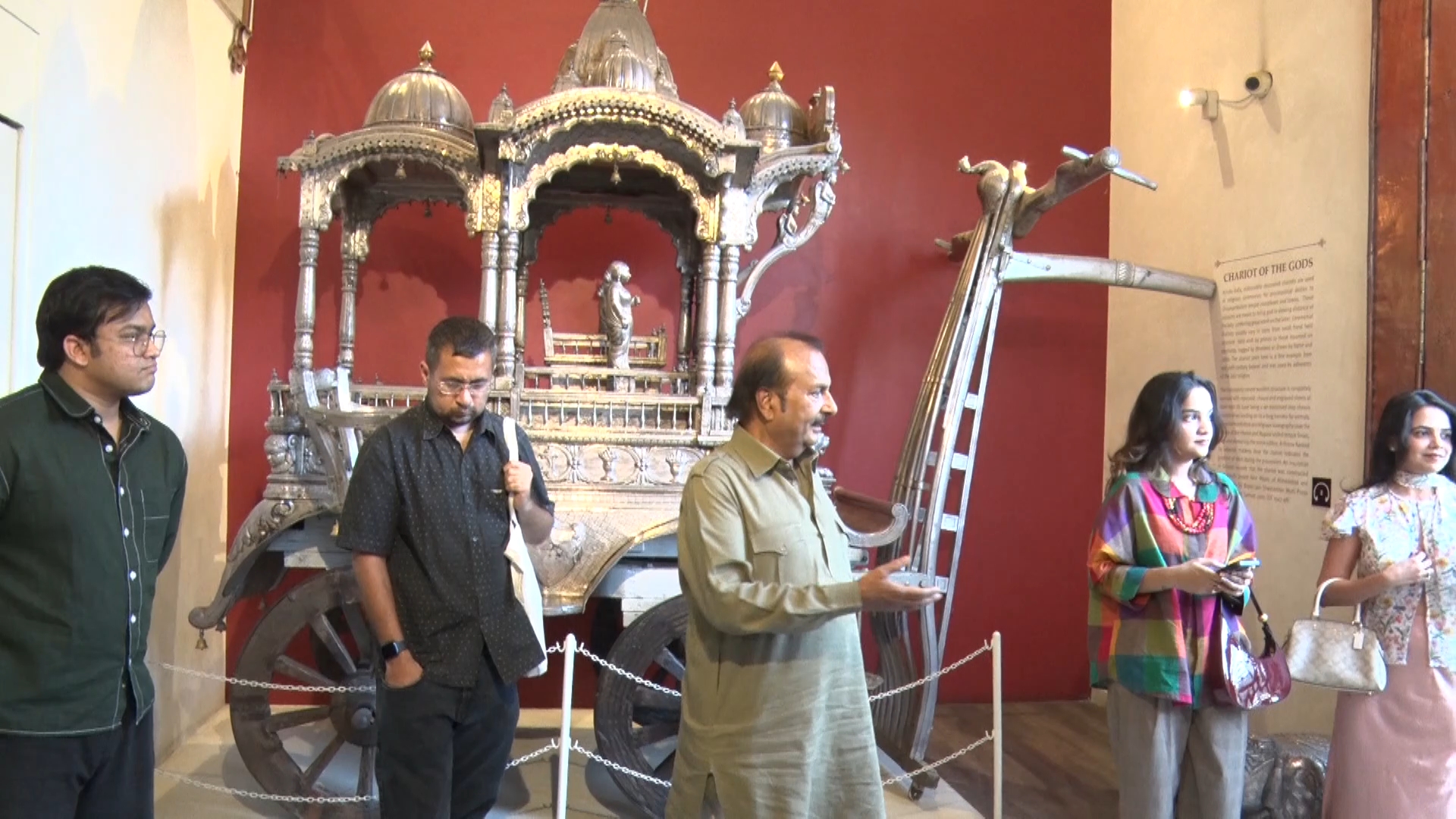
On International Museum Day, the Amrapali Museum was opened as an ‘Open Day’. On this occasion, Rajeev Arora, Co-Founder of the Amrapali Museum, said that this day holds special significance for Jaipur. Among the cultural capitals of the world, Jaipur today stands at the 18th position. In the past few years, major global companies related to fashion and design have preferred to establish their units here. The biggest reason for this is Jaipur’s rich cultural heritage and historical identity. He said that the Amrapali Museum also holds an important place on this cultural platform, as it is a unique museum in the world that is working to preserve the Indian jewelry-making art that has been continuing since the Indus Valley Civilization.
Rajeev Arora explained that the museum preserves not only gold and silver jewelry but also metal art on wood, textiles, and other traditional items. Anyone interested in art and heritage makes a point to visit this museum when coming to Jaipur. Since receiving the UNESCO World Heritage City status, the curiosity to understand Jaipur’s heritage has increased. In this context, the museum does not just display jewelry but also highlights the social, economic, and cultural conditions of that era through these pieces.
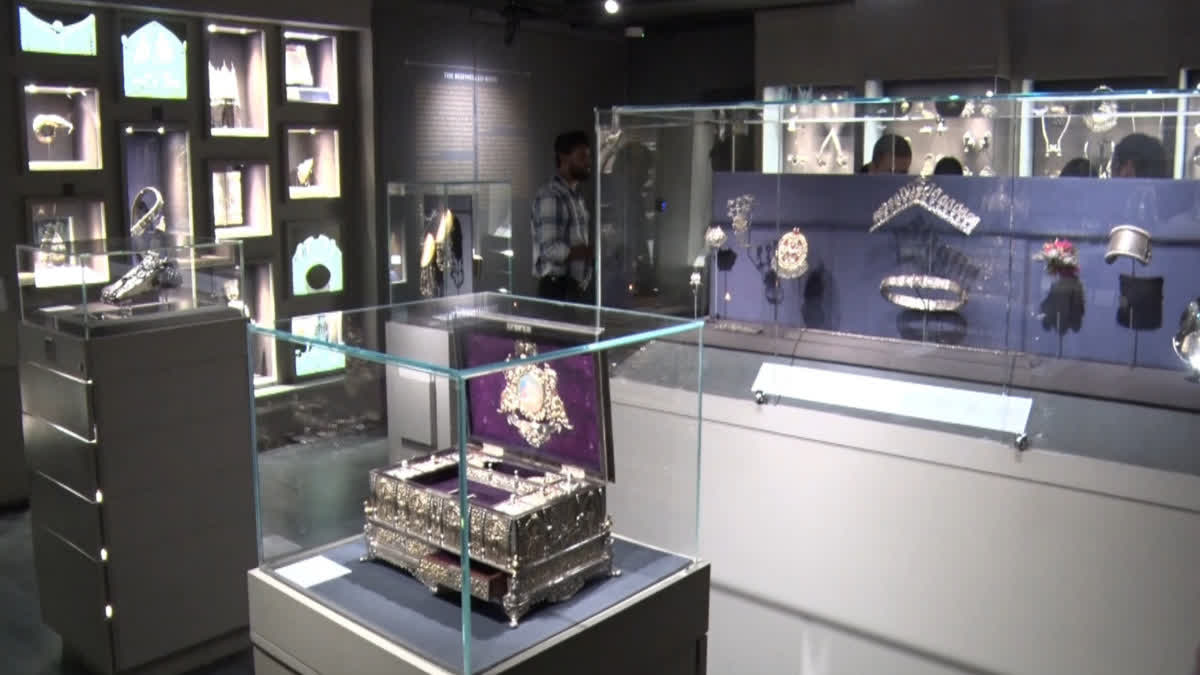
He said that the museum’s objective is not limited to heritage preservation; it also has educational significance. Young people building a future in jewelry design come here to understand traditional techniques and design aesthetics. Experts from many major museums and art institutions in India and abroad also visit for study and consultation. The concept of Indian adornment is incomplete without jewelry. Its tradition is alive from villages to urban society. This is why the museum is dedicated to Indian adornment and ornamentation culture.
Arora said that such private museums in the country should be encouraged so that people can feel proud of their civilization, culture, and traditional arts. He believes that heritage preserved at a private level can also play a major role in cultural conservation.
He informed that the museum has recently developed a new section specifically designed keeping Gen-Z audiences in mind. In today’s era, merely displaying objects is not considered sufficient, so special emphasis has been placed on making the museum interactive. Through video projections and digital displays, it shows how traditional jewelry is made and the craftsmanship process behind it.

In this section, special mapping technology has been used on the idol of Lord Vishnu. Through this, the style of adornment from different periods is depicted. A special video based on Jaipur’s cultural heritage has also been prepared. It presents Jaipuri jootis, gulal gota, silver jewelry, kundan work, and traditional handicrafts through modern visual mediums. The combination of color, light, and props in the museum has given it a distinct identity from traditional museums.
The Amrapali Museum has also developed a special section for jewelry created for films. Rajeev Arora said that his team has been preparing jewelry for Bollywood and Hollywood films for a long time. Jewelry has been designed for over 100 films so far. These include acclaimed films like Baahubali, Manikarnika, and Ram Leela. Jewelry is also being prepared for the upcoming film Ramayana. Over 200 artisans have been working on this for the past one and a half to two years.
A special gallery has been prepared in the museum where jewelry used in films is displayed. Jewelry from films like Manikarnika and Baahubali has become a center of attraction for visitors. Jewelry from upcoming films will also be displayed in this section in the future.