Editor’s Note
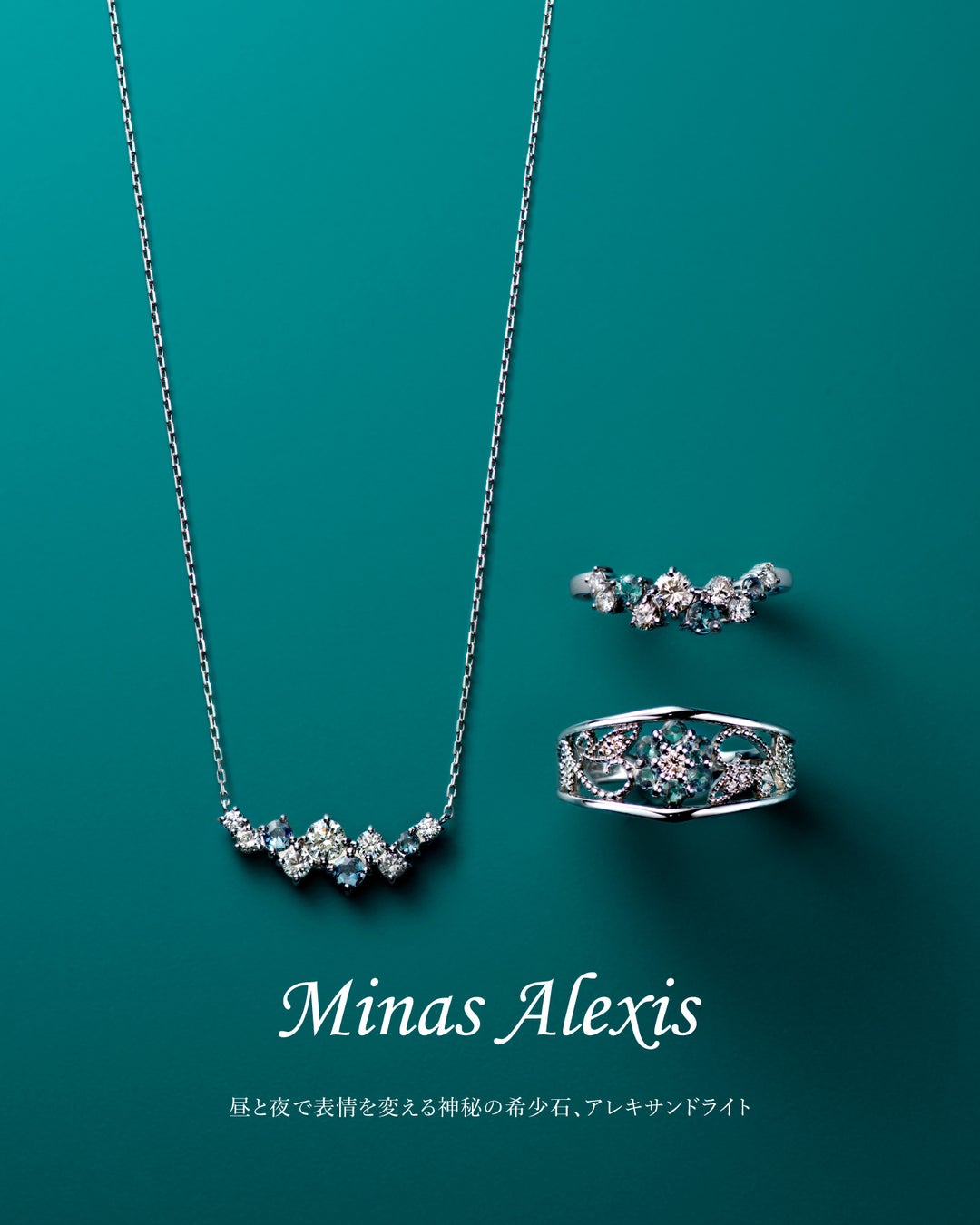
**Editor’s Note:** As-me Estelle Co., Ltd. has unveiled a new jewelry collection under its ‘Minas Alexis’ brand, featuring premium alexandrite sourced exclusively from Brazil’s Minas Gerais state. The collection is distinguished by a fully integrated process—from rough stone procurement to final sale—ensuring quality and traceability. The launch highlights the rare gem’s unique allure.
A new jewelry collection from ‘Minas Alexis’ has been launched, using only the highest quality alexandrite from the Minas Gerais state in Brazil. The entire process, from direct rough stone purchasing to polishing, manufacturing, and sales, is consistently managed. As-me Estelle presents a new collection that allows you to fully enjoy the allure of this rare gem.
As-me Estelle Co., Ltd.
June 19, 2026, 10:00 AM
The jewelry brand ‘Minas Alexis,’ operated by the Estelle Holdings Group Co., Ltd. (Headquarters: Chuo-ku, Tokyo), is launching new alexandrite jewelry.
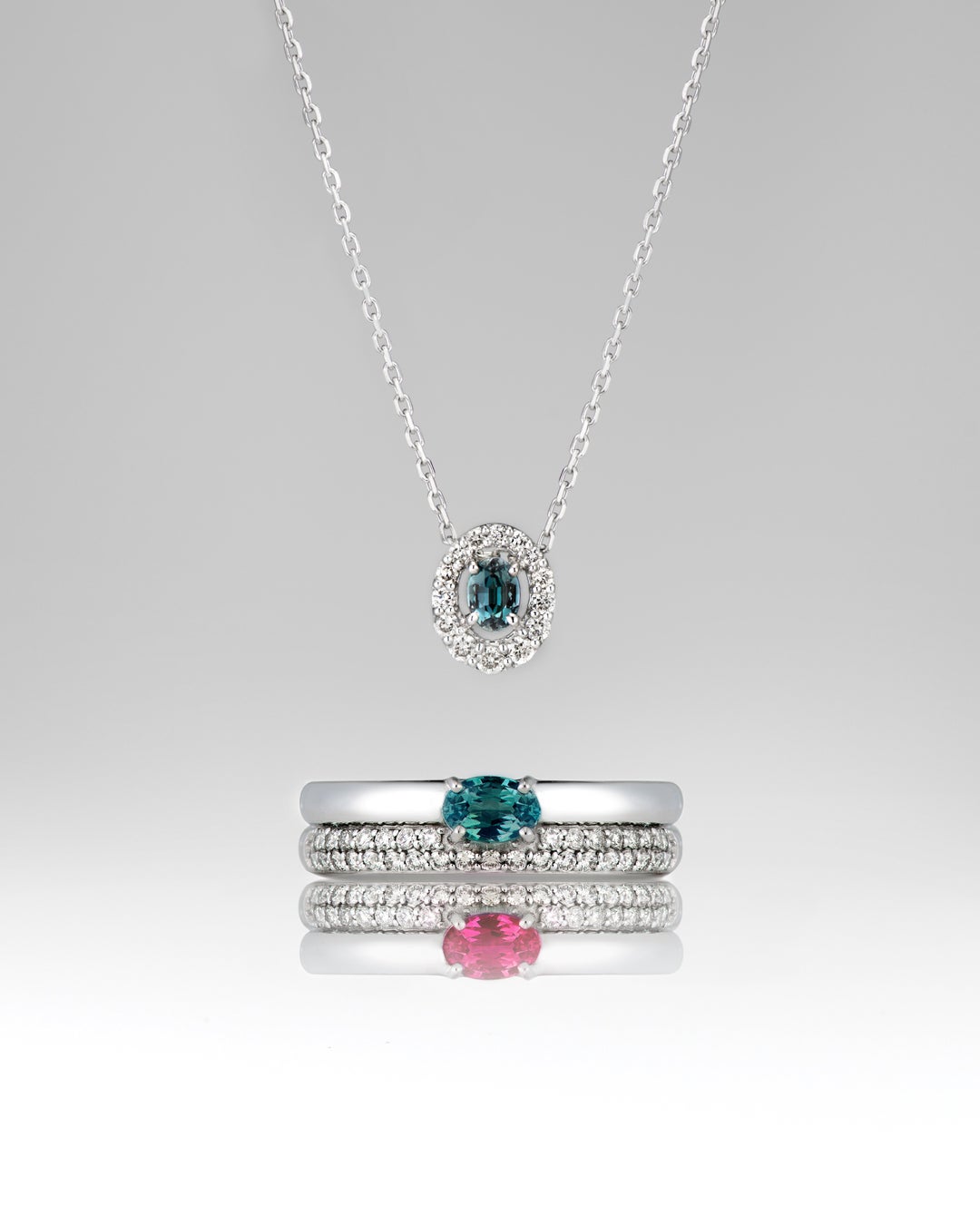
Alexandrite, also known as the birthstone for June, is a mysterious and rare gem that changes color between day and night. It exhibits a ‘color change effect,’ appearing bluish-green in sunlight and reddish-purple under incandescent light at night. Due to its rarity, it is also called the ‘king of gems.’
The new collection being launched uses alexandrite from the Minas Gerais state in Brazil, which is considered the highest quality among alexandrites worldwide. Alexandrite from Minas Gerais is renowned for its vivid color change and beautiful coloration, captivating many gem enthusiasts.
‘Minas Alexis’ is an original collection by As-me Estelle, featuring alexandrite from the Minas Gerais state in Brazil. It maximizes the allure of alexandrite’s mysterious brilliance that changes expression between day and night, offering a wide range of designs from daily wear to luxury pieces. Despite being a rare gem, it is supported by many customers as jewelry that is easy to incorporate into everyday life.
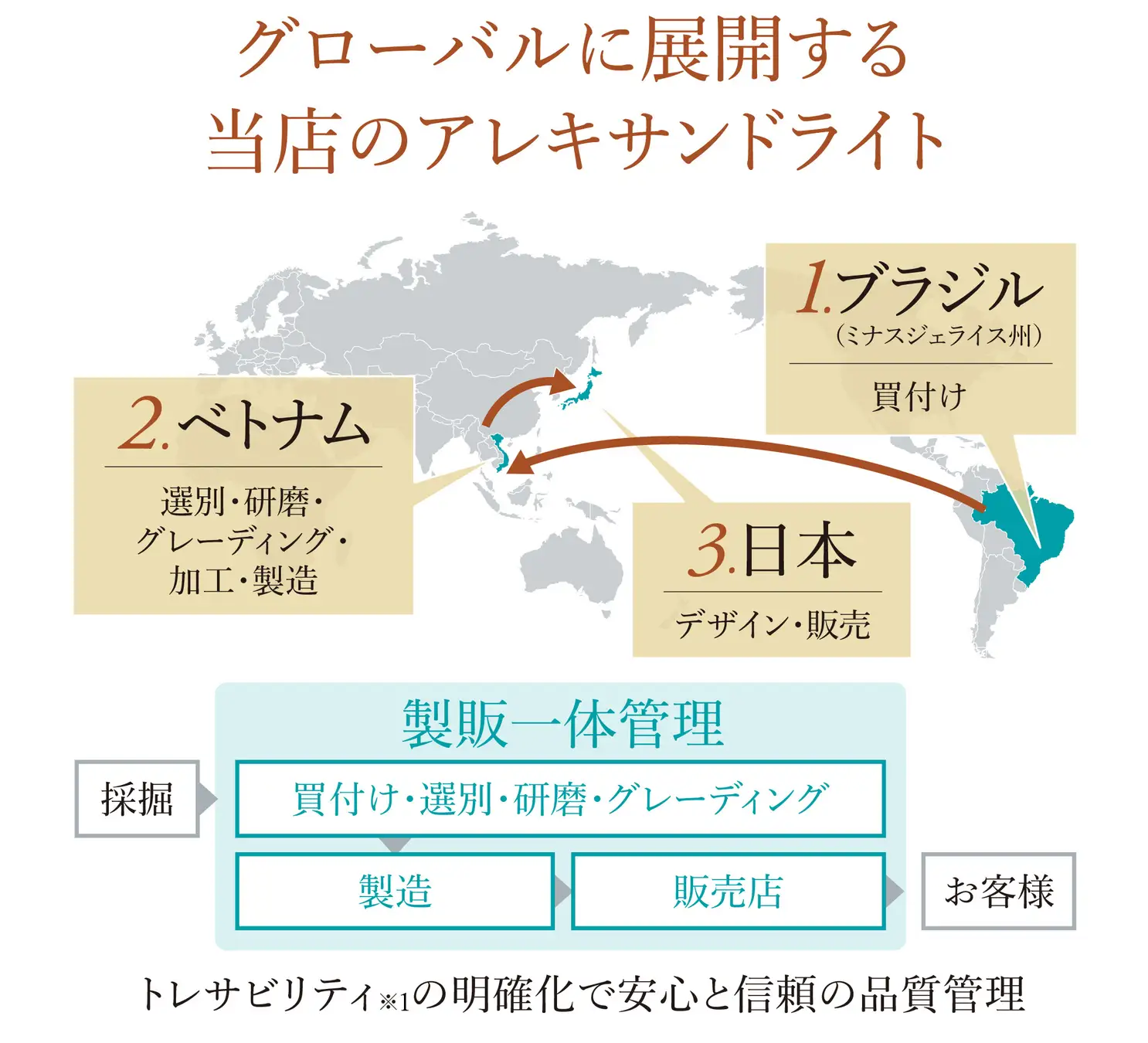
A major feature of Minas Alexis is its system that consistently manages everything from rough stone purchasing to product creation. Rough stones mined in Minas Gerais, Brazil, are purchased directly. Skilled artisans at the company’s own polishing factory in Vietnam then sort, polish, and grade the stones. Afterward, the stones are transformed into products based on original designs by Japanese designers. This integrated production and sales system makes it possible to offer high-quality alexandrite jewelry at fair prices.
*1: Refers to a ‘raw material resume.’ It is a system for recording and managing data such as production area, raw materials, and processing/distribution routes.
PT Alexandrite Pendant
Bluish-green by day, reddish-purple by night. This new jewelry features the mysterious gem alexandrite, which changes expression with light, set in a classic halo diamond design. The diamonds make the center alexandrite even more impressive, creating an elegant and brilliant presence. Please enjoy the unique presence of this rare gem and the timeless beauty of Minas Alexis, which is loved across generations.
■ Product Images
PT Alexandrite Ring
PT Alexandrite Pendant
From left: PT Alexandrite Pendant
■ Product Overview
PT Alexandrite Pendant
PT Alexandrite Pendant
PT Alexandrite Ring
PT Alexandrite Ring
■ Sales Information
Launch Date: June 3, 2026 (Wednesday)
■ Store Availability
Available at 30 stores only
■ Minas Alexis Special Page
https://www.as-estelle.co.jp/feature/minas-alexis/
■ Alexandrite Purchase Gift
During the campaign period, customers who purchase a Minas Alexis product will receive a complimentary penlight to enjoy the color change of alexandrite, on a first-come, first-served basis. The stone appears bluish-green to deep green under sunlight, and reddish-purple to crimson under the penlight. Please enjoy the color change of alexandrite in your own hands.
Period: June 19 (Friday) to July 31 (Friday)

Participating Stores: All stores (excluding outlet stores)