Editor’s Note
**Editor’s Note:** This article highlights Thomas Sabo’s latest accessory lines, perfect for Christmas gifting. We present the brand’s emphasis on design, glamour, and style as curated for fashion-forward readers.
Design, glamour, and style characterize the pieces from Thomas Sabo, the prestigious German brand of jewelry, watches, and personal beauty items. This Christmas, the brand presents two of its latest accessory lines, ideal for gifting to those who always seek to be fashionable.
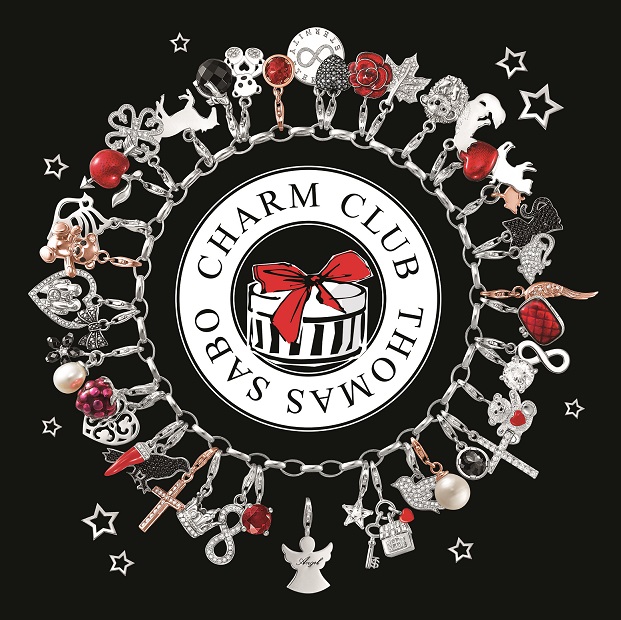
The Charm Club, Thomas Sabo’s most popular collection, is renewed with sets of brilliant and delicate charms in the shapes of stars, bows, snowflakes, angels, and small gift boxes with touches of red, silver, and white—the trending colors this Christmas season. These charms, made of 925 sterling silver and plated with 18-karat gold, feature inlays of crystals, mother-of-pearl, and semi-precious stones, masterfully combined in bracelets, chains, and earrings to create iconic accessories full of meaning. Being collectible, the selection among over 500 charms becomes a statement of individual style and, of course, a unique and special gift.
Another of Thomas Sabo’s currently available lines is Glam & Soul, which includes rings, bracelets, watches, necklaces, chains, earrings, and an exclusive series of Glam Beads—the original beads that are the hallmark of the German brand. The jewelry in this collection is crafted from nickel-free 925 sterling silver, enameled, and also accented with semi-precious gemstones in a wide range of colors. With a clear reference to British aesthetics, the different pieces stand out for their elegant, glamorous, yet dynamic design—qualities personified by Georgia May Jagger, the brand’s new ambassador.
The brand’s attention to detail extends to the distinctive black geometric cases, finished with bows of a clear silvery hue and identified with the brand’s logo, in which the exquisite fine jewelry pieces of Thomas Sabo are placed. The artisanal craftsmanship of German design is evident in the brand’s different lines, which constitute excellent gift options for contemporary ladies and gentlemen passionate about fashion trends.
Thomas Sabo is a renowned luxury goods house founded in 1984, with over 200 stores worldwide. In Venezuela, the boutique is located at the Líder Shopping Center in Caracas, where pieces from the Charm Club and Glam & Soul collections can be found, along with other items for women and men that will make the end of the year a time of great style.