Editor’s Note
**Editor’s Note:** Zeeman, known for its low-cost fashion, is testing the waters in Spain with lab-grown diamonds—a bold move into a typically high-end sector. This article explores the company’s strategy to win over skeptical customers.
Zeeman, ‘Low Cost’ Also in Jewelry: The Dutch Company Tests the Sector with a Lab-Grown Diamond
The low-cost fashion company seeks to capture the attention of Spanish customers still skeptical about the launch of a typically expensive product. The company claims to be among the first to offer something similar in the country.
Irene Juárez
19 May 2026 – 05:00
Zeeman is testing its new marketing strategy in Spain and venturing into a sector that is a priori far from the low-cost model that defines its business proposition. Eleven years after landing in Spain, the Dutch company aims to convince the Spanish public that low-cost fashion is not incompatible with quality, exemplified by launching a peculiar product: the lab-grown diamond, which imitates the original but at an accessible price.

Figee stated that this foray into the jewelry sector is not intended to become a category in itself, although the company is open to such opportunities depending on public reception.
This is the second time the company has undertaken an initiative with lab-grown diamonds. The first test was in the Netherlands last September, and
The diamond is manufactured in India.
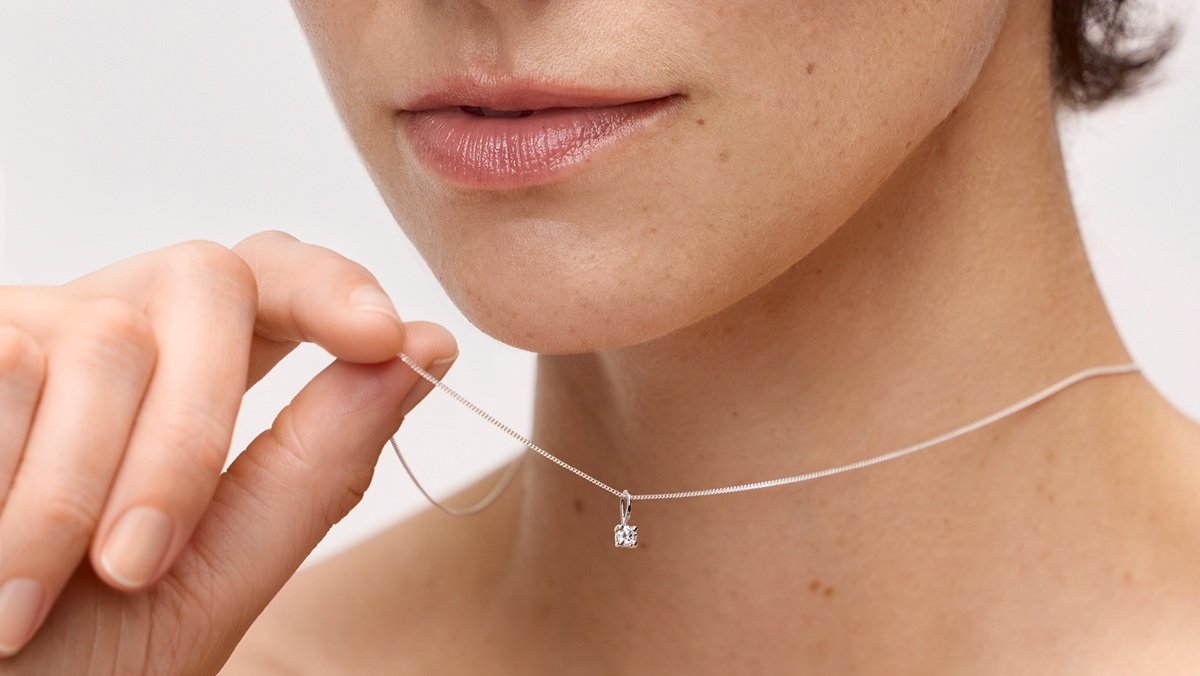
The company has created a lab-grown diamond weighing between 0.10 carats and 0.12 carats, with a diameter of three millimeters. The stone is set in a four-prong mounting on 925 sterling silver, “composed of 92.5% pure silver,” the company notes. The product will be available only online, at a price below thirty euros.
In the country, the company began expanding from the north and moved southward. Catalonia is, in fact, one of the territories where the company has the most presence (Zeeman has up to 16 stores in Barcelona alone). Although there is no expansion plan for the country on the table, as clarified by Carlos Torrecillas, sales manager for Spain, the company is attentive to “new opportunities” that may arise.

Zeeman competes directly with Pepco, which is in the midst of expansion across Spain, as well as Portugal and Italy. However, the company is often compared to Primark, something it seeks to avoid.
Zeeman produces half of its production in China and has about two hundred suppliers.
Zeeman, which currently does not disclose its annual accounts, claims to sell around 26.7 million product units per year in Spain, across categories ranging from fashion, underwear, to home textiles. The country generates approximately 10% of the group’s global turnover.
The company produces in five countries, although half of its production, 50%, takes place in China. The rest is completed in Bangladesh, Pakistan, Turkey, or India, among others. Zeeman has more than two hundred suppliers.
All Zeeman designs are carried out in the Netherlands, which is also the hub from which merchandise is shipped. In Spain, although the company operates through a subsidiary owned by the Dutch parent company, the company has no offices. At this point, Zeeman does not have a differentiated design strategy for each country, although it is beginning to take steps in this direction.
According to the latest data published by the Dutch press, Zeeman reported revenue of around 969 million euros in 2024 and sold, globally, up to 270 million items, both figures slightly below 2023.
