Editor’s Note
**Editor’s Note:** This piece explores the dazzling jewelry worn by KATSEYE during their show-stopping GRAMMYs performance, offering an exclusive behind-the-scenes look at the stories and craftsmanship behind each piece.
Pandora
Fashion
We caught up with the iconic girl group just before their mega performance and got all the juicy details about their jewelry.
Feb 2, 2026
6.0K Views
0 Comments
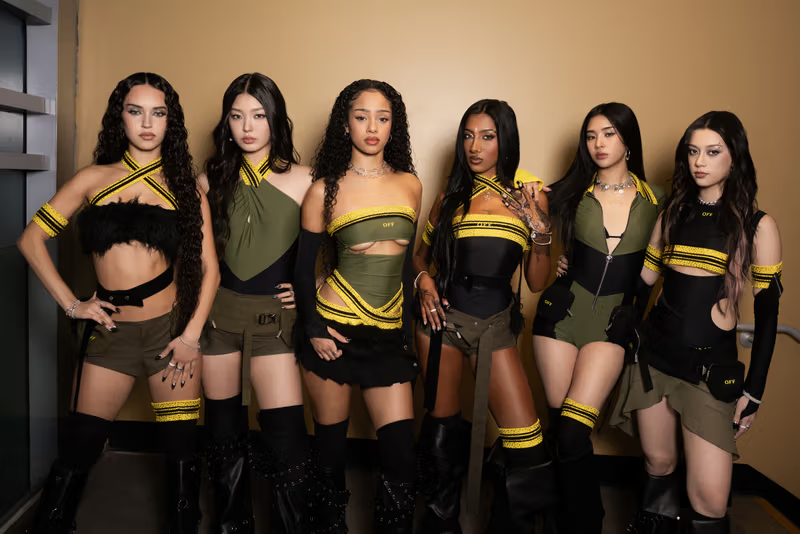
KATSEYE is undoubtedly one of the biggest girl groups in the world right now – not only for their catchy hooks and rigorous K-Pop training, but also for their incredible style. Their outfits are constantly a topic of conversation on every red carpet, and their GRAMMYs performance is among the most highly anticipated moments of the group so far.
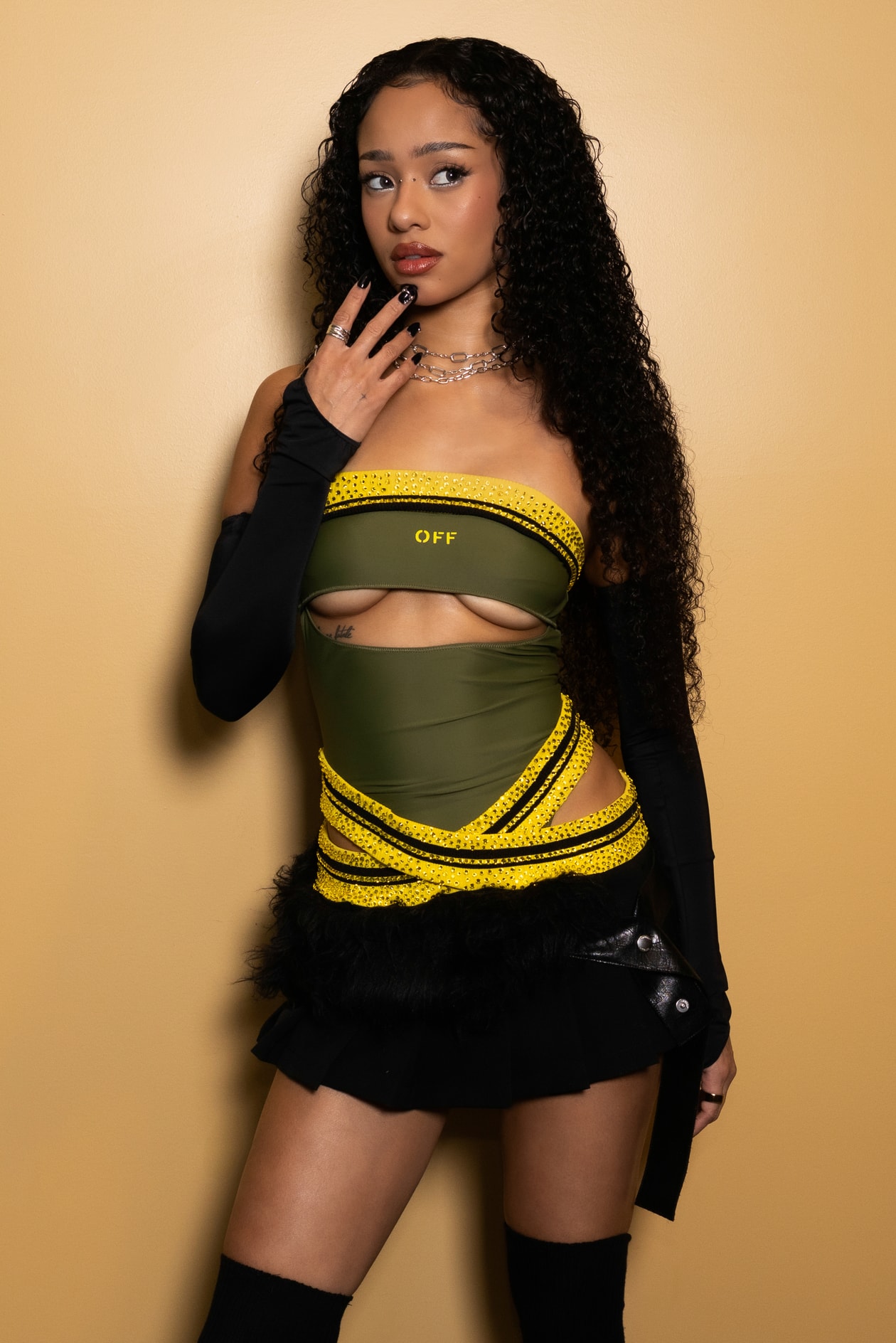
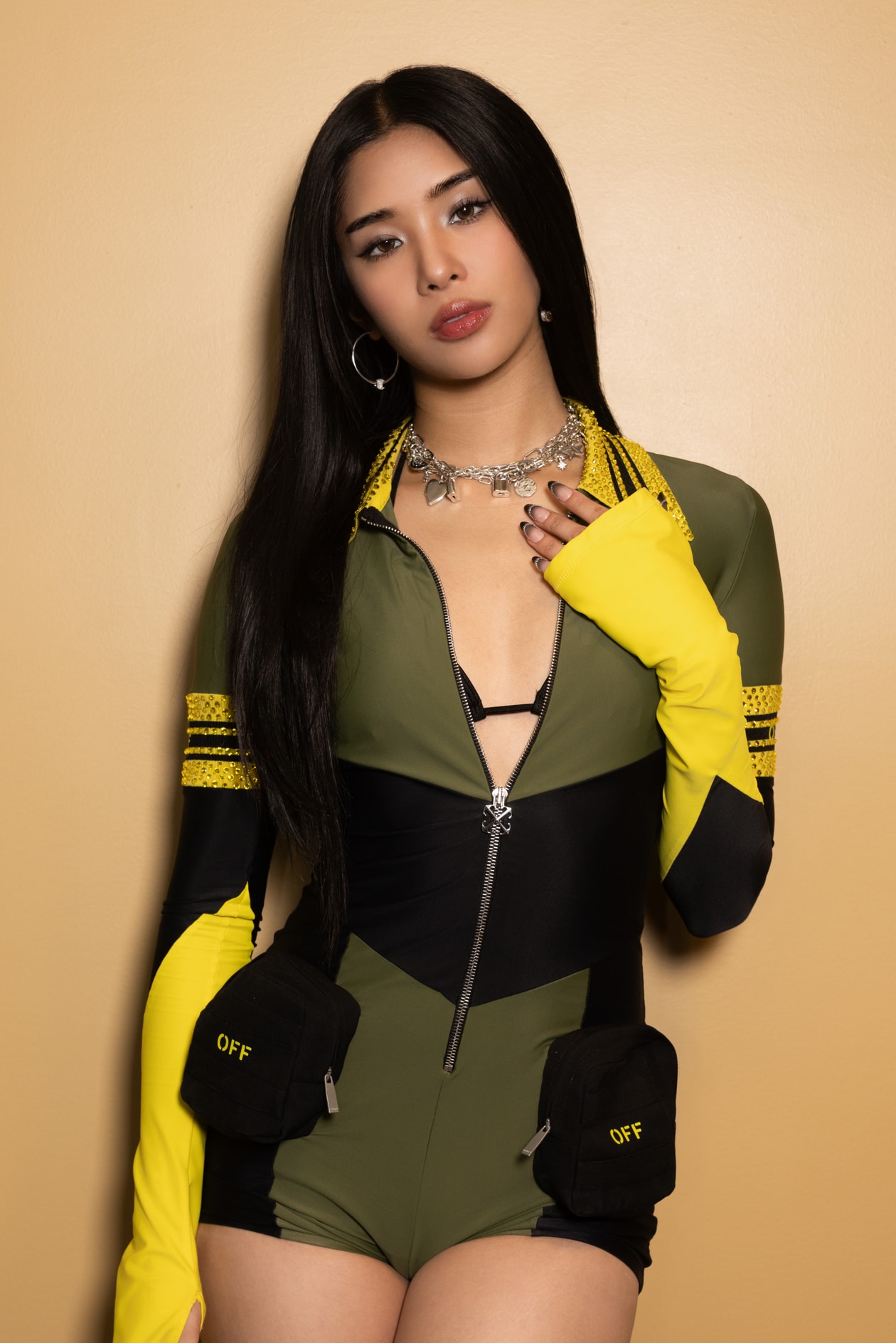
For one of the biggest red carpet appearances of their career, they had to go all out – and as we know, no look is complete without the right jewelry. That’s where Pandora came in: The label designed custom jewelry for each of the girls, perfectly complementing their stunning looks – right on the heels of their recent ‘Mini Charms’ campaign.
Before the ceremony, we spoke with Manon, Lara, Sophia, Megan, Daniela, and Yoonchae – about the collaboration with Pandora, their preparation for the biggest night in music, and the dreams still on their bucket list.
Read on for the full interview.
Manon: Our team had a clear vision, and our Creative Director Humberto Leon and Stylist Katie Qian sat down and created these beautiful looks for us!
Megan: It was a lot of fun and super collaborative. We described the vibes we wanted, and Pandora brought them to life with pieces that felt very personal. That made the performance even more special.
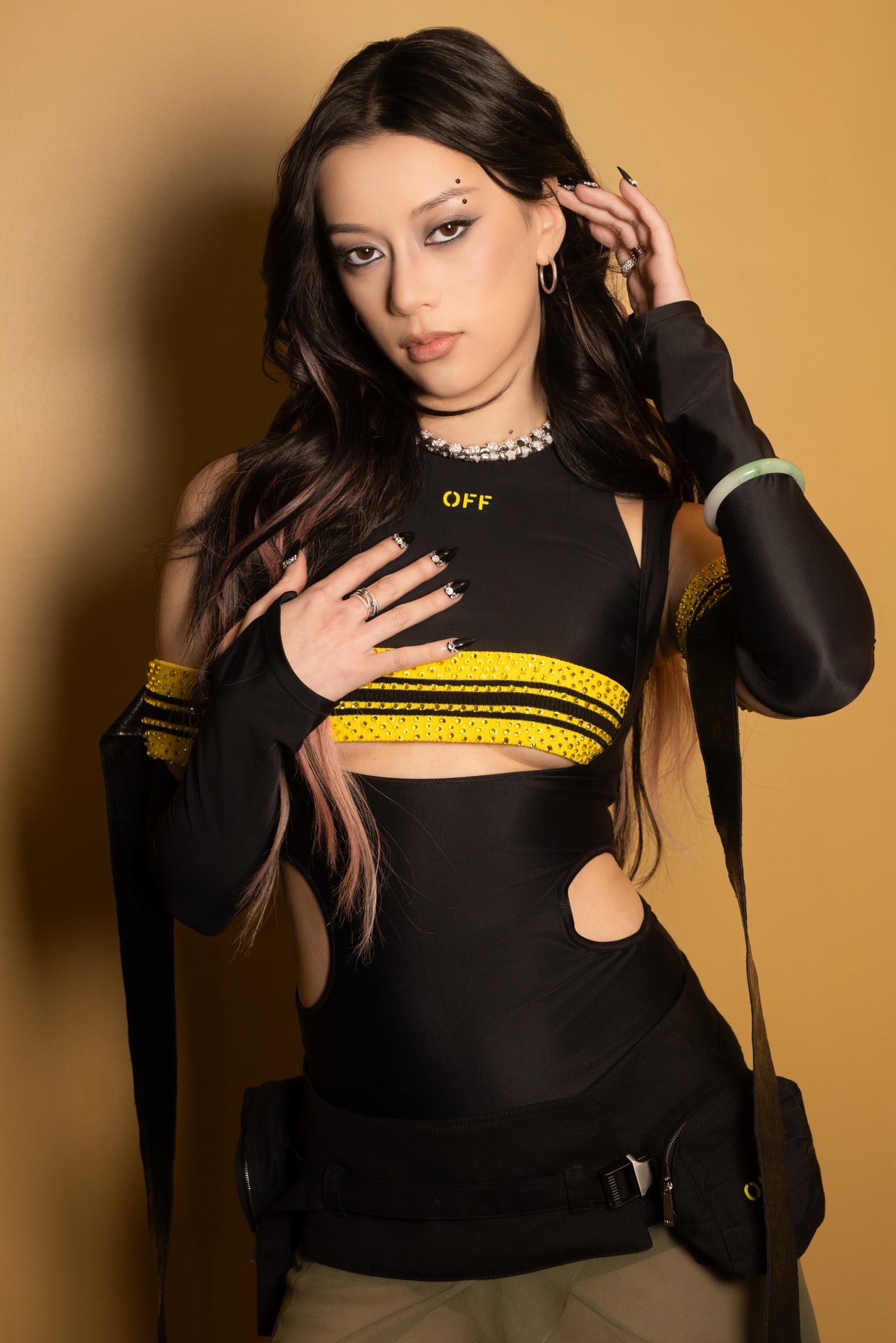
Yoonchae: I loved the hoops with the Mini Charms the most. I really like wearing hoop earrings anyway, and the little Moon Mini Charms made them feel fresher and even cuter.
Sophia: I grew up personalizing everything, making little friendship bracelets and necklaces for my friends and family. I’ve always been fascinated by the small details, and Pandora allows me to do that on an even higher level. Celebrating that individuality and giving meaning to each charm is so personal and intimate – and at the same time, something you can share. You can make everything your own, match it with a friend – the possibilities are endless.
Daniela: It feels truly surreal. At first, there was disbelief – I had to ask twice if it was really true. Then immediately came a huge sense of gratitude. Performing at the GRAMMYs is one of those milestones you dream about your whole life – and suddenly you’re actually living it!
Lara: A legendary performance at Coachella!!!! We hope to make history with our show and shape the music landscape, and we’re working really, really hard to create something extremely special. We hope the audience and the Eyekons love it, and that our set captivates everyone and leaves them full of energy.
This article was automatically translated from English.
Text by Navi Ahluwalia