Editor’s Note
**Editor’s Note:** This article explores a notable shift in luxury consumption, as high-end jewelry and premium watches overtake handbags as the new status symbols.
“Unique rings and limited-edition watches are emerging as new flex items.”
(SISACAST = Reporter Lee Ah-reum)
Recently, the standard for luxury consumption is shifting from handbags to high-end jewelry and premium watch brands. [Photo: SISACAST DB]
The formula for luxury consumption is changing. Instead of handbags, which once led the domestic luxury market, overseas high-end jewelry and premium watch brands are showing remarkable growth. Consumers who once rushed to department stores for luxury goods are now shifting their consumption tendency from ‘showing off’ to ‘value,’ leading to changes in the consumption landscape.
For a long time, the symbol of luxury consumption was handbags from brands like Hermès, Chanel, and Louis Vuitton. Purchasing bags worth millions to tens of millions of won was seen as a symbol of success and self-reward, but now attention is turning to small but sparkling high-priced accessories.
The retail and card industries have reported that among luxury categories, the growth rate of payment amounts for imported jewelry and watches is surpassing that of handbags. In particular, consumption that values ‘lifetime collectible worth’ is increasing, especially among those in their 20s to 40s, fundamentally changing the standards of luxury consumption.

The biggest reason is the sharp increase in the prices of luxury bags. Since COVID-19, major luxury brands have raised prices multiple times a year. As a result, some popular bags have surged by millions of won in just a few years.
According to industry sources, recent luxury sales data from department stores and card companies show that the growth rate of payment amounts for imported jewelry and luxury watches is consistently outpacing that of handbags. In particular, interest in high jewelry and mechanical watches is growing not only among those in their 30s to 50s but also among the financially capable MZ generation, rapidly expanding the market size.
Recently, ‘Quiet Luxury’ has become the trend. More consumers are expressing their sophistication through high-end watches or elegant jewelry rather than conspicuous luxury logos.
Some high-end watches appreciate in second-hand value over time, while diamond or gold jewelry is valued for its raw material worth. They are perceived not just as consumer goods but as ‘investable luxury items.’ Changes in fashion trends have also played a role.
In the past, clothes and bags with prominent logos were popular, but consumers are now beginning to view them as objects of long-term value consumption rather than mere luxury items. With economic downturns and increased asset market volatility, consumers consider price resilience important even when purchasing high-end products. Some popular watches see demand exceeding supply, leading to premiums, and classic jewelry designs often retain their value over time.
![[1-LIFE] Z세대를 사로잡은 ‘어미새 현상’...“세상에서 엄마가 제일 좋아요”](http://www.sisacast.kr/news/photo/202607/97714_106520_5657.jpg)
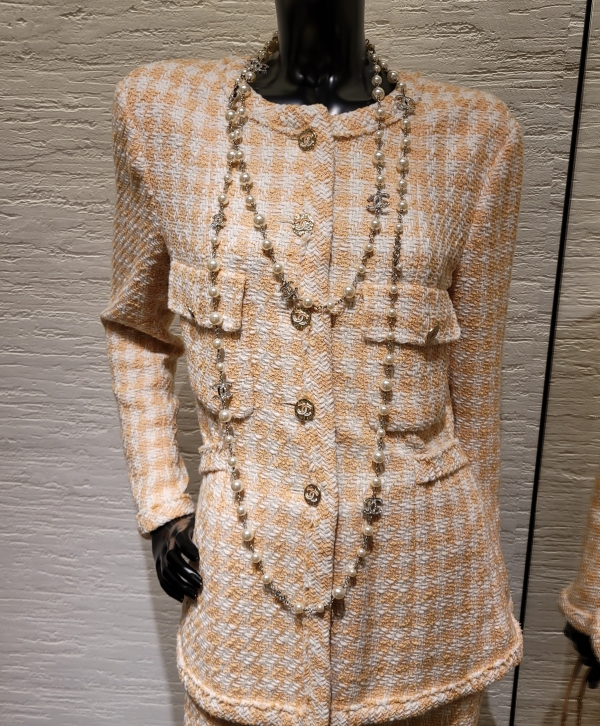
Layered necklaces and bracelets, unique rings, and limited-edition watches are establishing themselves as new flex items. [SISACAST]
SNS culture has also changed consumption direction. In the past, it was common to see many people carrying the same luxury bag, but now jewelry and watches that showcase one’s own taste and individuality are gaining more attention. Layered necklaces and bracelets, unique rings, and limited-edition watches are becoming the new flex items.
Changes in wedding culture have also contributed. In the past, diamond rings were the centerpiece of wedding gifts, but recently, more couples are choosing couple watches or luxury jewelry. The ability to wear them daily and their high practicality are cited as popular factors.
The department store industry is also actively expanding overseas high jewelry and premium watch brands in line with this trend. They are renovating existing luxury halls to increase watch specialty sections and jewelry brands, and strengthening private consultations and reservation services for VIP customers, implementing differentiation strategies.
![[클릭이슈] “대형마트는 텅텅 비었는데”… 홈플러스 익스프레스, 영업 정상화](http://www.sisacast.kr/news/photo/202607/97716_106525_180.png)