Editor’s Note
This article highlights MIKIMOTO’s unveiling of its new high jewellery collection ‘L’eclat’ at the Paris Haute Couture Collection, featuring celebrity attendees Keiko Kitagawa, Yuta Jinguuji, Michelle Yeoh, and Ken Watanabe.
Keiko Kitagawa and Yuta Jinguuji attend the Paris Haute Couture Collection! Hollywood actors Michelle Yeoh and Ken Watanabe gather! Adorned with the brilliance of Mikimoto’s new high jewellery. They appeared in diverse dress-up styles highlighting their respective ‘beauty’. New high jewellery collection ‘L’eclat’ depicting light released from silence announced. MIKIMOTO Co., Ltd. Product July 10, 2026 11:00
MIKIMOTO (Chuo-ku, Ginza, Tokyo / President Yasuhiko Hashimoto) held a press preview at Hotel d’Evreux on Place Vendôme in Paris during the Paris Haute Couture Collection in July 2026, announcing its new high jewellery collection ‘L’eclat’.
Celebrating the announcement, celebrities associated with Mikimoto from Japan and abroad attended the venue, including actress Keiko Kitagawa, Number_i’s Yuta Jinguuji, Hollywood actors Michelle Yeoh and Ken Watanabe. This release introduces the glamorous event of the day.
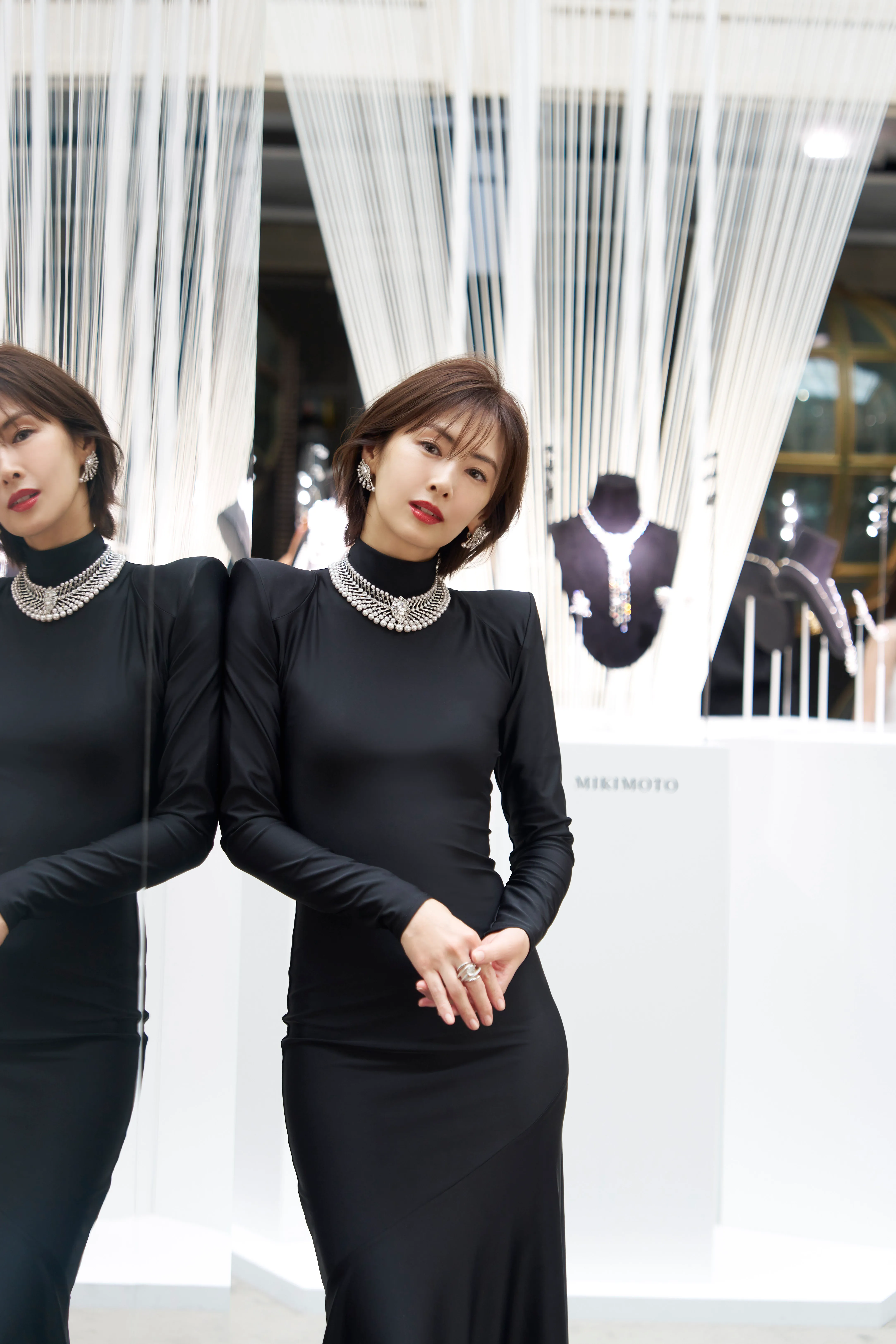
Keiko Kitagawa appeared in a black dress harmonizing with the venue’s atmosphere symbolizing the collection’s theme of ‘light’, paired with a necklace and earrings featuring pearls framing delicate forms and brilliantly cut diamonds.
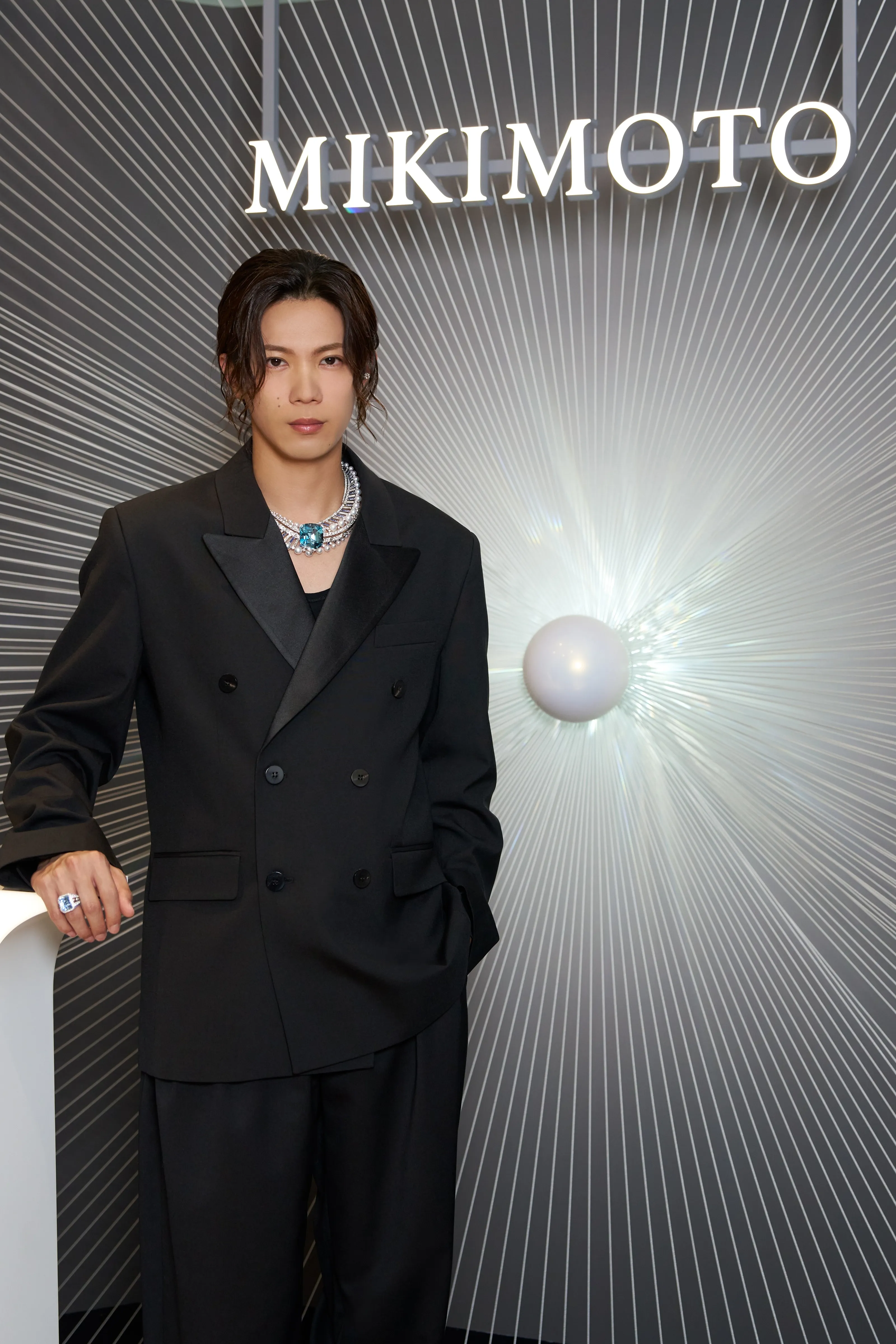
Yuta Jinguuji attended wearing a necklace featuring a bold aquamarine and a ring he was involved in creating. His sophisticated attire added color to the venue. Hollywood actress Michelle Yeoh reunited at the venue with Ken Watanabe, known for co-starring in films. They showcased elegant jewellery styles highlighting their individual personalities, accompanied by their well-coordinated interactions.
The stage was the historic building Hotel d’Evreux on Place Vendôme in Paris. The venue welcomed guests with a fantastical production as if light itself were breathing. The new high jewellery collection ‘L’eclat’, inspired by light instantly released from silence, featured various scenes created by light projected in the space embodying its worldview, impressively presenting the collection’s charm.
Keiko Kitagawa, a Mikimoto jewellery enthusiast who also appears in campaign visuals; Yuta Jinguuji, who has been in a partnership with Mikimoto since November 2024; Michelle Yeoh, who participated in Mikimoto’s global campaign in March of this year; and Ken Watanabe, an actor active both in Japan and internationally, appeared at the venue.
Adorning high jewellery pieces such as necklaces, earrings, and brooches from ‘L’eclat’, each showcased an elegant style. At the venue, they were seen engrossed in the new collection and enjoying interactions with designers and other guests. Their appreciation of the exhibition while experiencing the collection’s worldview in a space colored by fantastical light displays was particularly striking.
**[Keiko Kitagawa]**
Keiko Kitagawa wore a necklace constructively expressing the diffusion of light and elegant drape dress jewellery. Her unique charm resonated with the innovative jewellery, presenting a sophisticated look that stood out against her chic black dress.
**[Yuta Jinguuji]**
Yuta Jinguuji wore a necklace with a three-dimensional construction, beautifully centered around a large, brilliantly shining aquamarine. He appeared in a stylish and elegant shirt that evoked the collection’s theme of light. On his hand was a ring created through the special content ‘The Layers of Light’, which documented his journey from the initial design concept, engaging in dialogue with Mikimoto designers to create a one-of-a-kind piece.
**[Michelle Yeoh]**
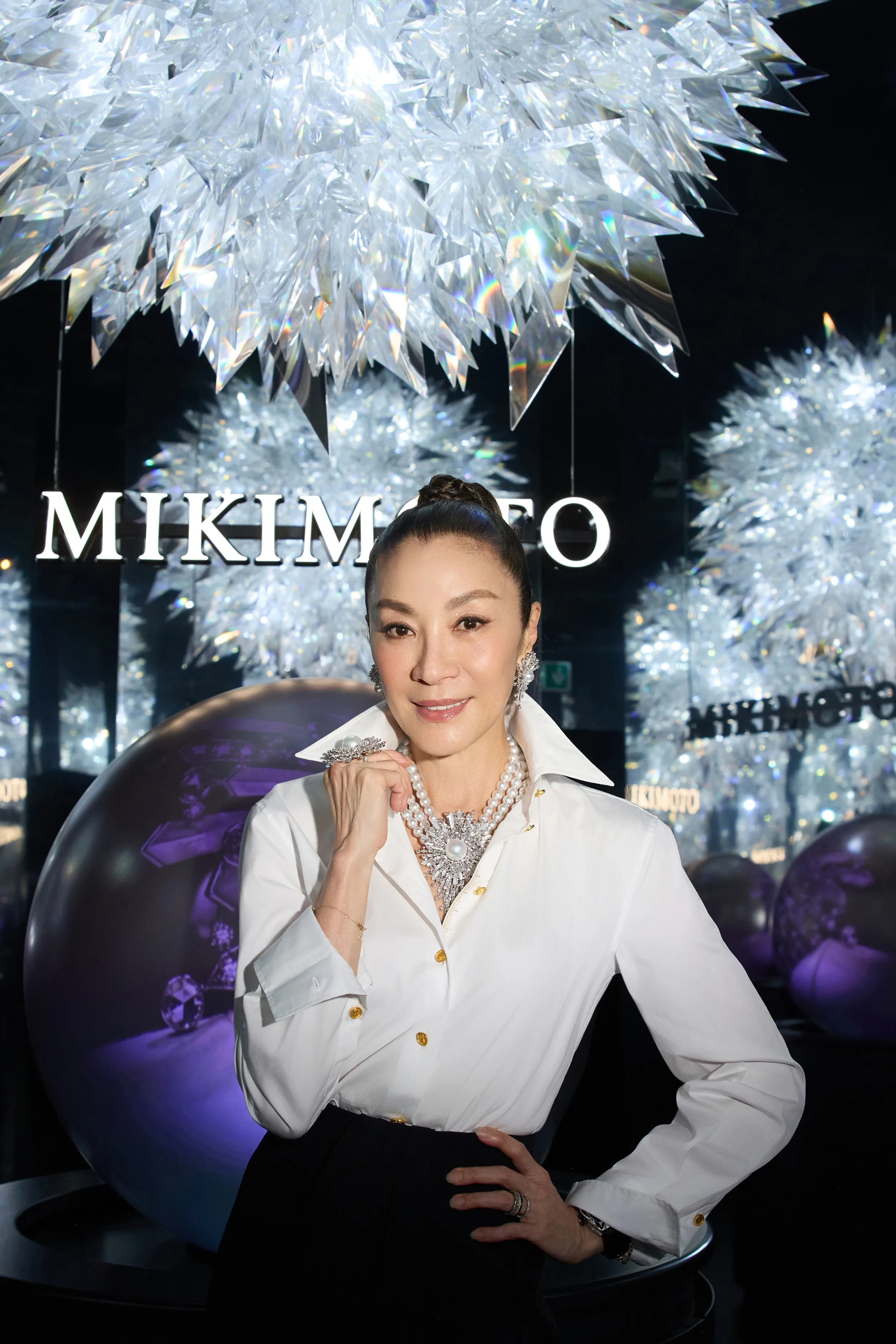
Michelle Yeoh captivated the venue wearing a necklace from which dazzling rays of light emanated from white South Sea pearls, along with substantial jewellery pieces, reflecting her life’s trajectory of quiet strength beneath suppleness.
**[Ken Watanabe]**
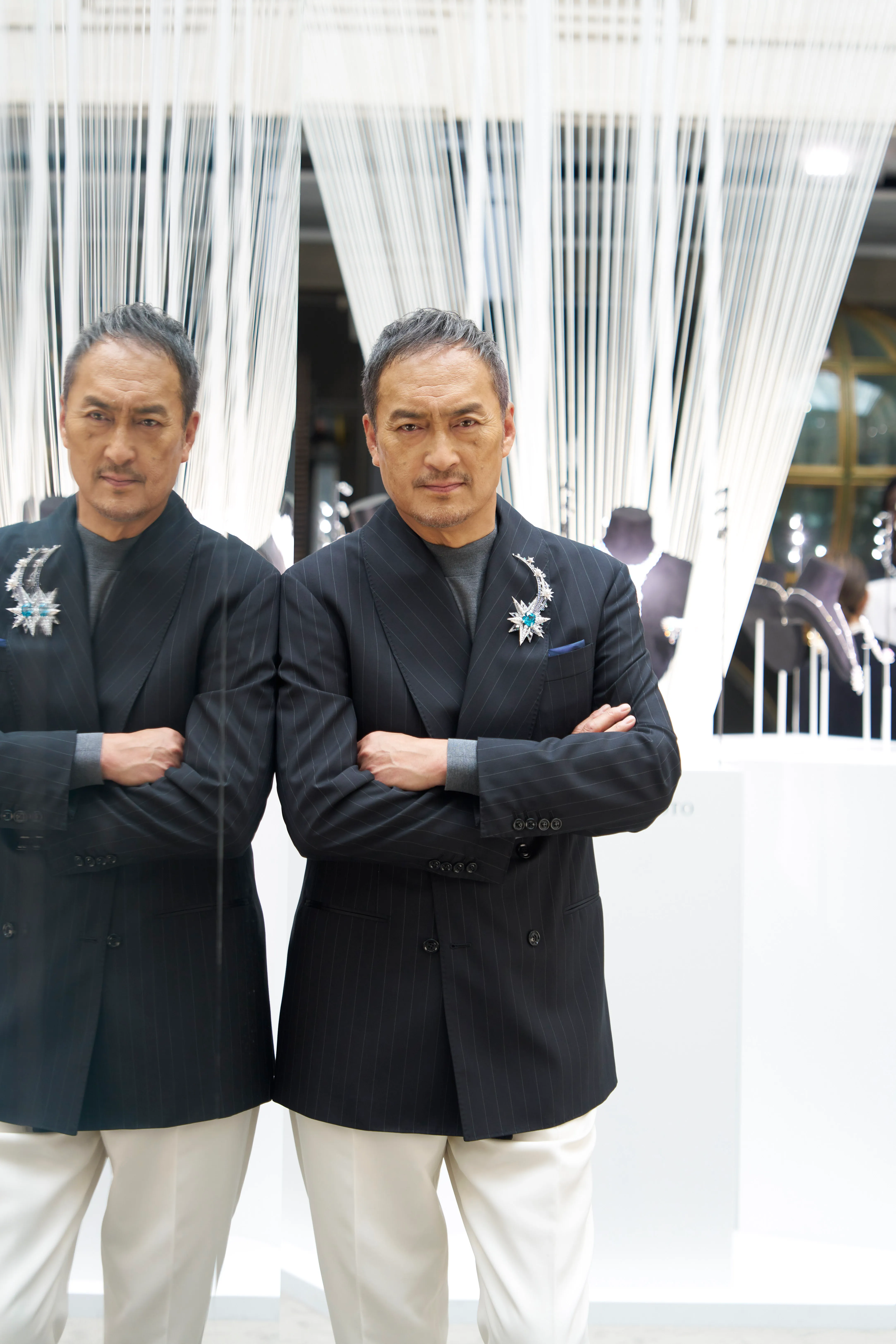
Ken Watanabe appeared in an elegant tailored jacket styling. He wore a brooch inspired by Mikimoto’s past expressions of ‘light’, giving new interpretation to universal radial layouts and star-shaped forms. The deep blue brilliance harmonized with Ken Watanabe’s sophisticated presence.
Thai actor James Jirayu, who has a partnership with Mikimoto, and Amelia Windsor, a member of the British royal family and model, also attended. James Jirayu appeared wearing a necklace and ring featuring sharp, elongated silhouettes and the rich colors of golden pearls. Amelia Windsor showcased a necklace and earrings capturing celestial orbits and the sparkling trails of meteors with an elegant styling.
After touring the venue, everyone responded with smiles to interviews from domestic and international media. The event concluded in an atmosphere lingering with luxury.
**[About the High Jewellery Collection ‘L’eclat’]**
‘L’eclat’ is a collection inspired by light instantly released from silence, depicting beauty that holds an inner radiance like pearls. The venue, filled with dazzling brilliance, displayed numerous pieces that energetically and delicately captured the diverse scenes created by light.
Fashion designer ANNA CHOI created original dresses for this collection, expressing the worldview of ‘L’eclat’ in a more mysteriously beautiful way.