Editor’s Note
**Editor’s Note:** Jessica Alba redefines luxury as something to be worn daily, not saved for special occasions. As the new face of Gabriel & Co., she champions effortless elegance—and shares a clever gifting hack worth stealing.
If there’s one fashion rule we are officially leaving in the past, it’s the idea that fine jewelry belongs in a velvet box until a black-tie event or a milestone anniversary rolls around. Life is too short. Luxury should be lived in. And who better to champion that vibe than Jessica Alba?
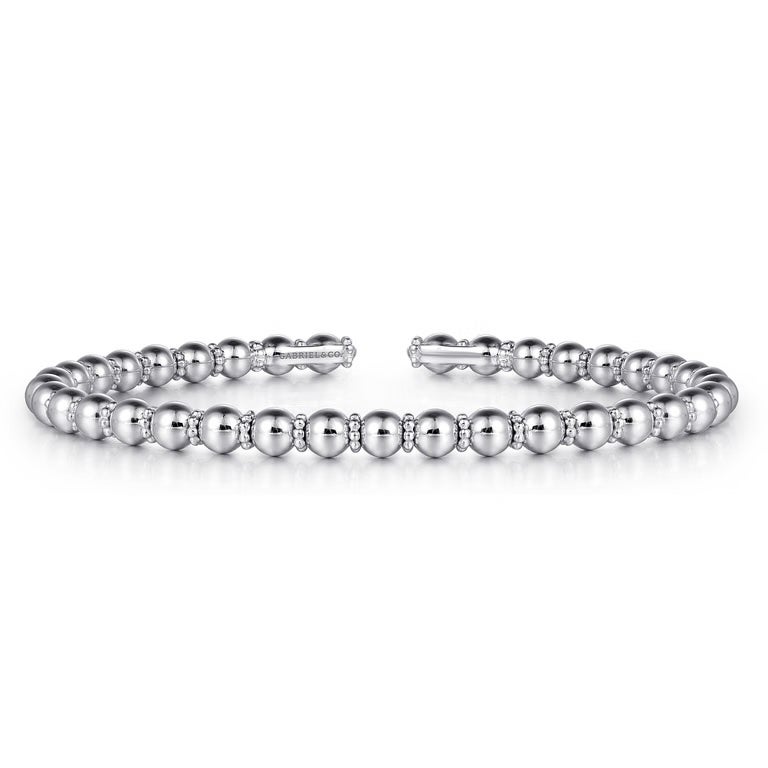
The actor, founder, and ultimate master of the effortlessly elevated aesthetic was just named the new face of Gabriel & Co., and frankly, the partnership makes total sense. This isn’t a standard, detached celebrity endorsement. Alba was actually a fan of the brand’s signature Bujukan gold-and-diamond bracelets long before the campaign came knocking.
For Alba, the magic of the collection lies in its approachability. It’s gorgeous, artisanal luxury (every piece features a unique serial number and GIA-verified natural diamonds). But it somehow doesn’t feel too precious to wear with a basic tee.
One of her favorite standouts from the campaign? A geometric, modern chain link necklace that she styles in the most Refinery29 way possible.

She also has her eye on a graduating Bujukan wine necklace that mimics the fluidity of a snake. Her styling tip? Save that one for a plunging neckline or a sharp piece of tailoring.
We’ve all been there: staring at a stunning investment piece, waiting for a milestone, a partner, or a “perfect moment” to justify the splurge. But Alba is a firm believer that women shouldn’t wait around for someone else to buy them the jewelry they want.
But if you are looking to celebrate someone else, Alba dropped a brilliant shopping hack that we are immediately stealing for our own group chats: collective gifting.
It’s the ultimate way to help a girlfriend build a fine jewelry collection without anyone having to shoulder the investment alone.

If you’ve ever stood in front of the mirror panicking because the hardware on your favorite handbag is gold but your earrings are silver, Alba is here to give your permission to let it go. When asked about her stance on the great metal-mixing debate, her answer was immediate:
For Alba, the rules are simple: white gold, yellow gold, rose gold, and diamonds are all fair game to wear simultaneously.
While she notes that she pays a little more attention to matching materials when it comes to clothing details (like buttons on a blazer coordinating with a belt or shoes), when it comes to the jewelry stack itself, anything goes.
If you’re looking to make your very first fine jewelry investment, choosing a starting point can feel overwhelming. We asked Alba to play personal shopper and pick the ultimate starter piece from the Gabriel & Co. collection.
Her verdict? Go for the versatile chain link diamond necklace or a signature Bujukan bangle.

The takeaway? Buy the diamonds. Wear them with your favorite worn-in white tee. Mix your metals. And stop waiting for a “special occasion” to feel a little fancy.