Editor’s Note
**Editor’s Note:** This article explores the resurgence of enamel jewellery as a standout trend for the season, challenging the notion that it is merely a Y2K revival. Featuring insights from Astley Clarke’s creative head, it highlights how vibrant, poolside-ready pieces are redefining the material’s appeal.
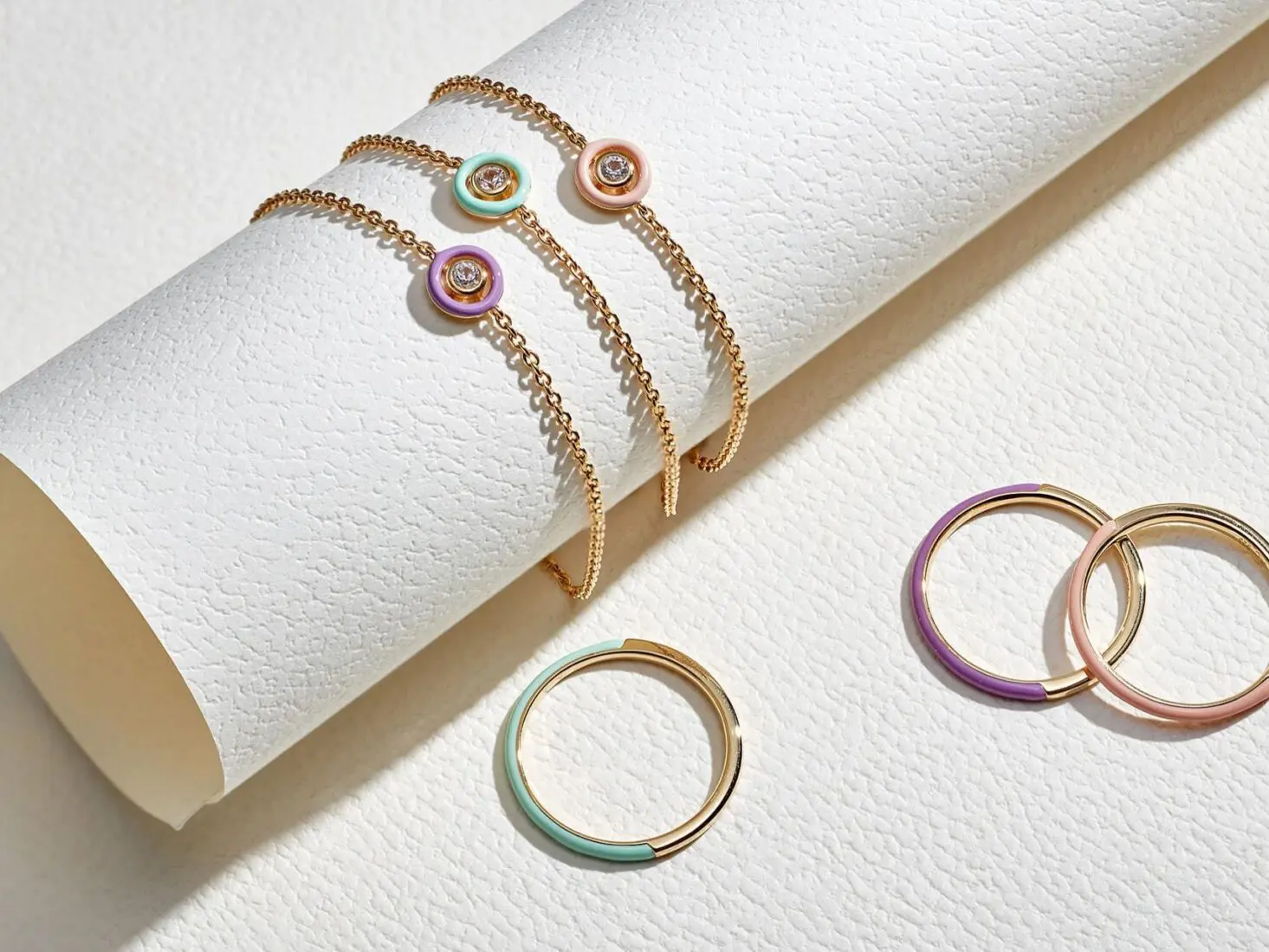
Turn heads by the pool in rainbow-hued jewellery featuring this season’s chicest material: enamel.
Enamel jewellery. On the face of it, the vast array of vividly coloured designs on offer this season may seem like little more than yet another facet of the Y2K revival trend. Not so, says Katie Rowland, head of creative at Astley Clarke, which has pressed this humble material into service across its vibrant summer collections.
Referring to the process of applying a coat of coloured glass paste or powder to the base metal of a piece of jewellery, before baking at an extremely high temperature so as to fuse the two materials together, enamel jewellery dates back as far as ancient Persian, Egyptian and Chinese cultures. However, while it has traditionally been used to add intricate, delicate features to jewels, this season’s take on the craft is big, bold and vibrant.
Perfect, then, for poolside styling. Get your piece of the action with our pick of the best enamel jewellery for summer.
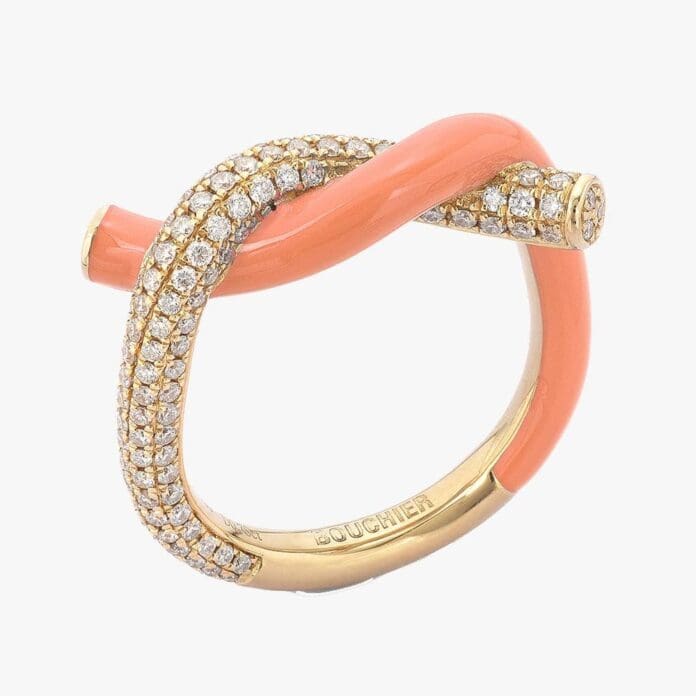
The playful nature of enamel doesn’t mean it can’t also be a conduit for some serious fine jewellery. Take, for example, Boochier’s Fruit Hoops collection. Each fluid piece is crafted in 18ct recycled yellow gold and studded with diamonds, while also evoking movement and elasticity with woven, intertwined designs in fruity hues.
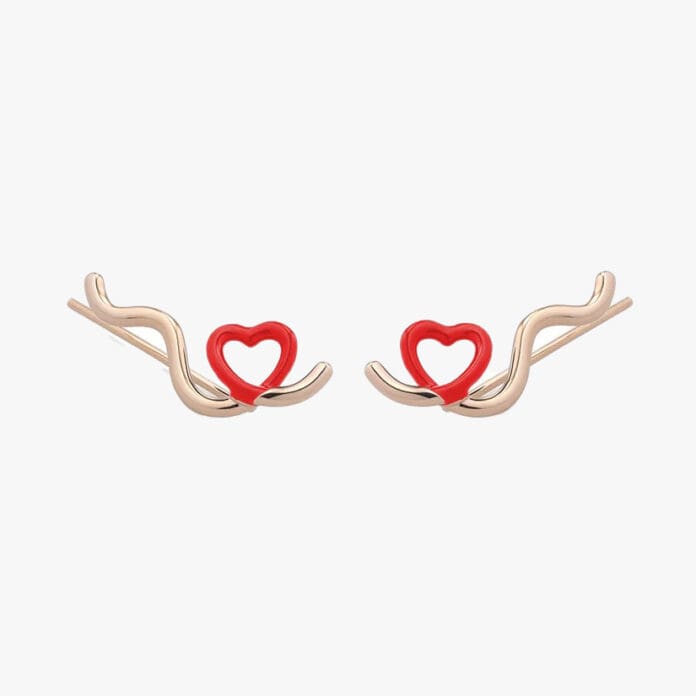
If you’re looking for the real driving force behind enamel’s revival, look no further than Bea Bongiasca. The Milanese jeweller has been quietly espousing the benefits of the material since founding her eponymous house in 2014, in the process growing a loyal following including Dua Lipa, Bella Hadid, Julia Roberts and Tessa Thompson. These playful double heart crawler earrings featuring handpainted red enamel are exemplary of her sculptural, exuberant style.
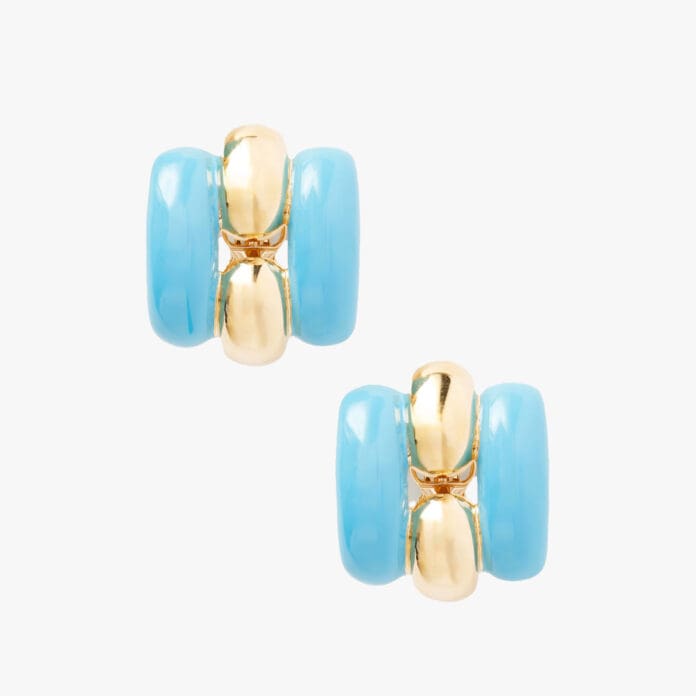
If you really want to buy into the trend, then go big. And nothing will help you do that better than Valentino’s Pas Plus enamel earrings. The chunky gold-tone metal design is finished with glossy aquatic blue enamel offering a contemporary and playful take on a classic everyday earring.
Cece Jewellery Rose enamel pendant: Putting a modern twist on traditional enamelling, British jeweller Cece Fein Hughes takes her inspiration from the evolution of enamel jewellery throughout history. Each signet ring and pendant necklace features a miniature artwork taken from the annals of adornment, be that the headpiece of a Byzantine princess or a Celtic warrior’s battle armour. Whether you prefer her tougher, tattoo-style designs or romantic pieces, like this Rose necklace, each is hand-painted and completely unique.
It isn’t just jewellery specialists getting in on the enamel action – luxury fashion houses like Aspinal of London are clued up on its appeal too. Crafted from 18ct gold and finished with sky blue enamel detailing, the playful, sculptural hoops will add a colourful edge to everything from a white T-shirt to a black cocktail dress.
Jazz up your jewellery box with Mejuri’s Dôme collection. Available in several hues, as well as classic gold and silver, pick and mix the curved silhouette for a quirky and joyful addition to your everyday wear. Made from a glossy enamel cut into a slim, elegant style, our favourite is the fresh cream hue.
Wherein lies the appeal of enamel – especially for summer. Not only can it achieve the kind of saturated neon shades, pretty pastels and primary hues not usually seen in traditional gemstones, it also happens to be significantly cheaper than rubies or sapphires.
Boochier Fruit Hoops enamel ring – £6,160
Bea Bongiasca double heart earrings – £600
Astley Clarke Gold Flare White Topaz Signet Ring – £79
Valentino Garavani Pas Plus enamel earrings – £1,110
Roxanne Assoulin The Bright By Nature enamel bracelets – £275
Aurélie Bidermann Positano enamel bracelet – £201
Aspinal of London Ribbed Enamel Hoop Earring – £145
Mejuri enamel Dôme figure ring – £148