Editor’s Note
**Editor’s Note:** This piece explores the distinctive visual language of Dutch photographer Carlijn Jacobs, whose work blurs the lines between fashion, art, and surrealism.
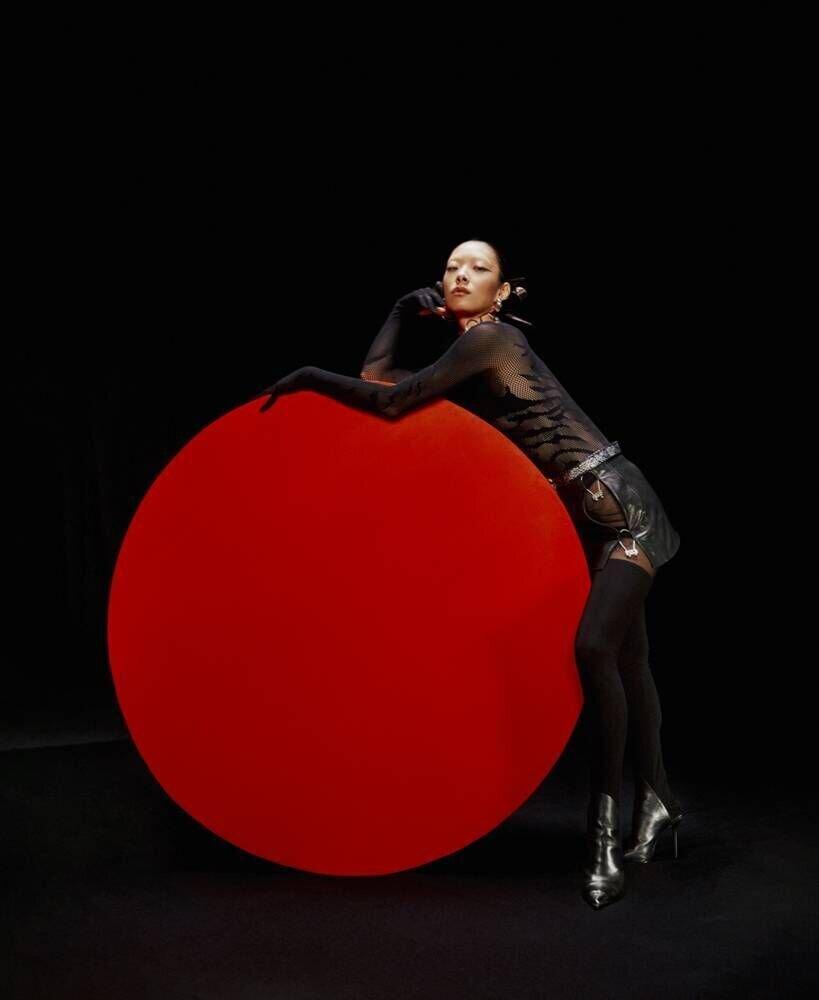
Carlijn Jacobs is among the most followed Dutch fashion photographers since the 2020s. Her style combines bold colors, tight framing, minimalist sets, and almost surreal details. She often treats the face as a graphic surface. She also uses hands, eyes, hairstyles, jewelry, and makeup as compositional elements. Her images frequently give an impression of collage, sculpture, or a living still life. Since her debut, she has built a universe between fashion, beauty, portraiture, and contemporary art. Through this approach, she develops an immediately identifiable visual signature. Each photograph pays special attention to forms, textures, and light, creating compositions where aesthetics constantly dialogue with artistic experimentation.
Born in 1991 in the Netherlands, Carlijn Jacobs studied photography at the Willem de Kooning Academy in Rotterdam. During her training, she became interested in mass culture, advertising images, magazines, and the visual codes of fashion. She then developed a highly composed photography style, where every detail matters: light, pose, color, material, and accessory.
After her diploma, she began publishing her series in several international magazines. Her work notably appears in Vogue, The Face, AnOther Magazine, POP Magazine, and Dazed. Very quickly, she distinguished herself with images that do not merely seek to show a garment. Instead, she constructs precise, often frontal scenes, where the body becomes a volume, a motif, or a visual object.
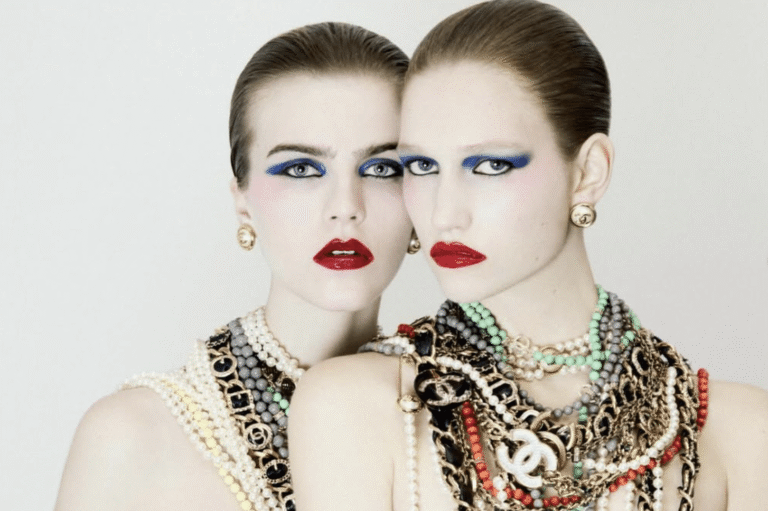
Throughout her early projects, Carlijn Jacobs developed an immediately recognizable visual vocabulary. She favors simple backgrounds, controlled poses, intense colors, and highly sculpted silhouettes. She also plays with masks, false eyelashes, reflections, shiny materials, and symmetry effects. In parallel, she photographs still lifes, body fragments, and faces transformed by makeup. This approach quickly attracted the attention of luxury houses and specialized magazines. In 2022, she created the cover for Beyoncé’s album “Renaissance.” This image strongly boosted her international visibility.
Furthermore, the photographer pays particular attention to every detail of her compositions. She uses light, volumes, and textures to create images that oscillate between fashion photography and artwork. Her stagings often favor clean forms, where each element finds a precise place in the image. Through this mastery of composition, Carlijn Jacobs develops a strong aesthetic that appeals to both art directors and luxury houses. Her work is also distinguished by its ability to transform everyday objects or fashion accessories into true narrative elements.
In just a few years, Carlijn Jacobs has established herself among the most followed photographers of the new generation. Her work circulates in major fashion magazines and accompanies the evolution of contemporary editorial photography, where the image becomes both an artistic object and a communication medium.
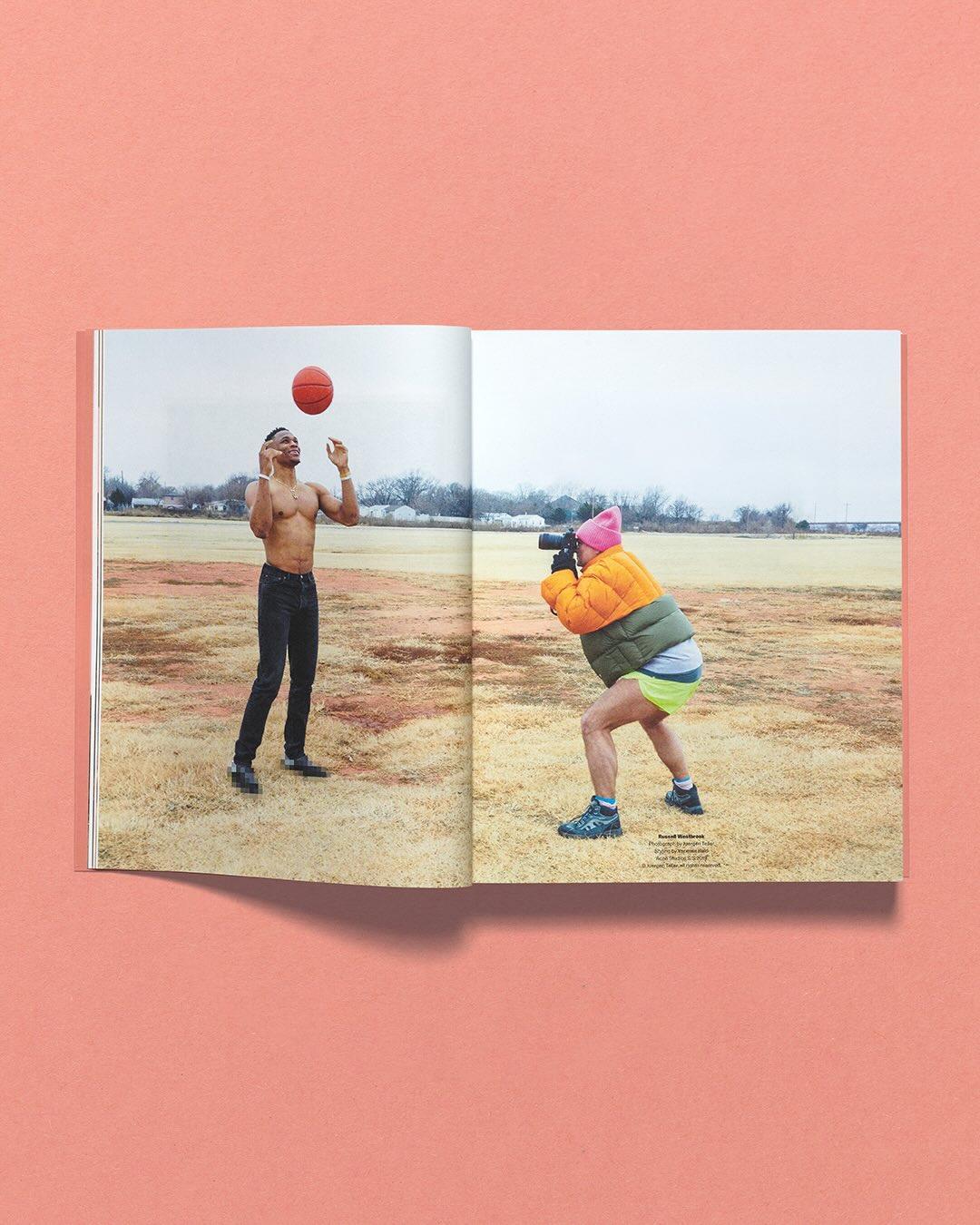
A photograph from Acne Paper magazine, Self-Portrait. © Acne Studios, Carlijn Jacobs.
Alongside her editorial commissions, Carlijn Jacobs develops an artistic practice through several publications. She has published the books “Mannequins,” “Eyes,” “Sleeping Beauty,” and “Making Faces,” which gather part of her photographic research. These books testify to her interest in portraiture, beauty, materiality, and transformations of the body.
In 2023, her work was also the subject of the exhibition “Sleeping Beauty” at the Foam Fotografiemuseum in Amsterdam. This presentation brought together several photographic series and highlighted the recurring themes of her work. The exhibition notably emphasized her experimental approach to the image and her desire to push the boundaries between fashion photography and artistic creation.
Since her beginnings, her work regularly appears in major international fashion magazines. Today, she pursues a career that combines editorial photography, advertising campaigns, books, and exhibitions. Over the years, she has established herself as one of the most influential photographers on the contemporary fashion scene.
In 2022, the cover of Beyoncé’s “Renaissance” strengthened her international reputation. Then, in 2023, her exhibition “Sleeping Beauty” at the Foam Fotografiemuseum in Amsterdam highlighted her personal work. She thus continues to alternate between commissions for luxury houses and artistic projects, while developing a body of work recognized in the world of contemporary photography.
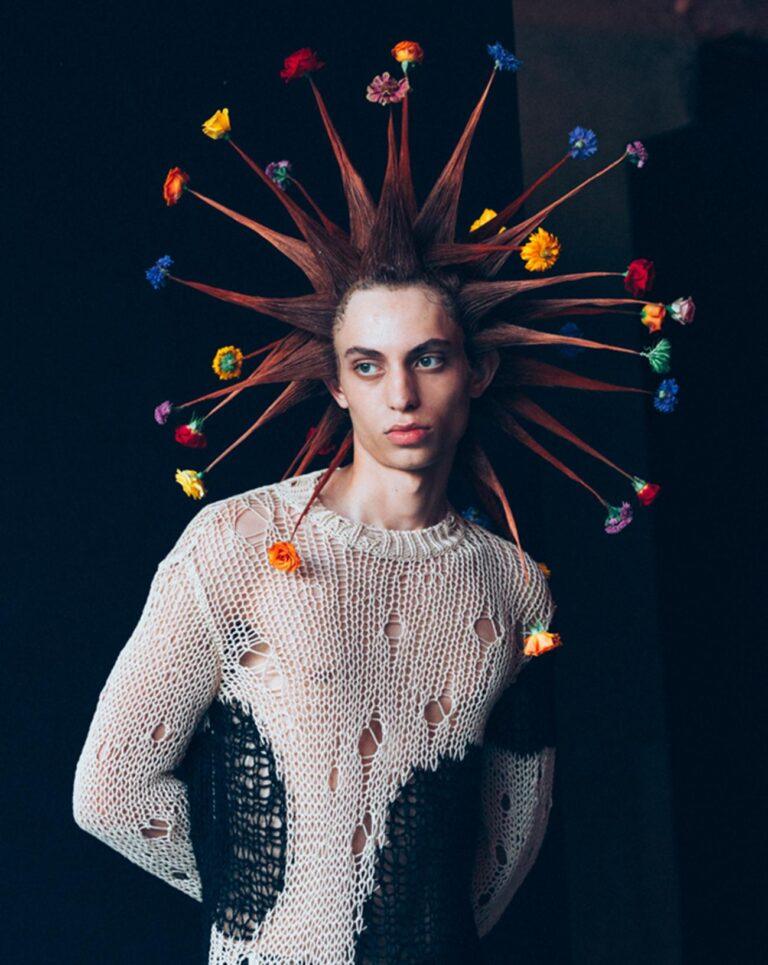
Furthermore, Carlijn Jacobs affirms a vision where photography goes beyond simply highlighting a garment or accessory. She favors images that tell a story and invite the viewer to take a fresh look at the body, beauty, and fashion. Through this approach, she influences a new generation of photographers and confirms her place among the creators who are durably renewing the codes of fashion photography.