Editor’s Note
This article was independently curated by our editors. Luxury London may earn a commission on purchases made through links.
From sunshine-ready florals to romantic pastels, here’s all the style inspiration you need for your next garden party. All products are chosen independently by our editors. Luxury London may earn commission on items purchased.
There’s nowhere like London in the summer – especially if you happen to find yourself invited to one of the capital’s elegant garden parties. While music festivals and picnics in the park are great for a casual day in the sun, for a more regal affair à la Buckingham Palace’s famous soirees, nothing beats a garden party. Imagine sun-soaked lawns, fresh florals and delectable feasts served on fabulous tablescapes – you can almost hear the Bridgerton theme playing in the background. Boasting royal roots, garden parties are truly glamorous affairs, so it stands to reason that your outfit should follow suit.
Read on for our curated edit of the best breezy frocks, romantic florals, chic wedge sandals and cheerful jewellery so you know exactly what to wear to a garden party this summer.
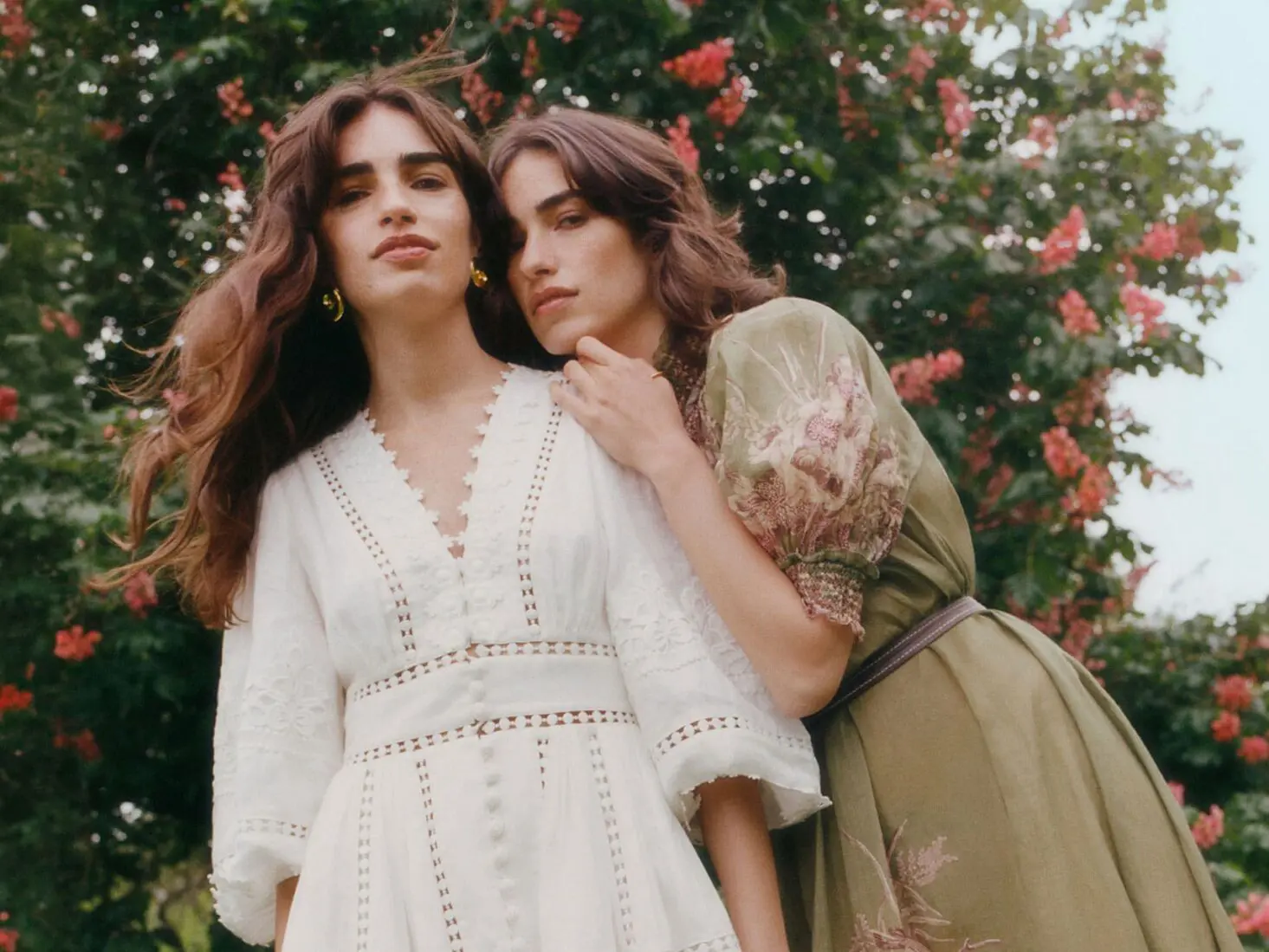
There’s no denying the easy, polished flair of an elegant summer dress for a garden party, especially one rendered in bright seasonal hues. Despite that The Devil Wears Prada, florals are a great failsafe for summer. Camila and Agua By Agua Bendita play with vibrant floral and nature-inspired printed dresses – the former accompanied by vintage-inspired fruits, the latter adorned on a pretty pink backdrop with feminine beaded detailing along the straps.
Camila maxi dress £700 Buy Now
Agua By Agua Bendita Mielero Promesa midi dress £895 Buy Now
Elsewhere, Alessandra Rich’s midi dress is covered in a polka dot print for a touch of vintage glamour (and keeps up with the trend of the season) while Faithfull’s checked dress brings an effortlessly elegant style that can be dressed up with statement accessories.
Alessandra Rich polka-dot midi dress £1,530 Buy Now
Faithfull Laia maxi dress £260 Buy Now
Not one for prints? You simply can’t go wrong with a crisp white-hued or pale pastel design, whether maxi or mini. Dôen’s Eliette cotton dress is effortlessly glam, playful with its soft ruffles and puffed sleeves and perfect for accessorising, while Khaite’s dusty peach dress is minimalistic, chic and complete with a panelled A-line skirt for bonus style points.
Dôen Eliette midi dress £440 Buy Now
Khaite Iben midi dress £1,420 Buy Now
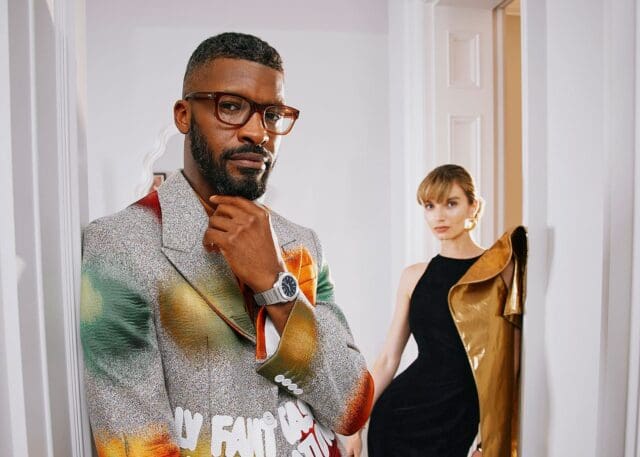
Co-ord sets are as effortlessly chic as it gets. While we adore tailored separates in classic black and navy hues for work, there’s no better time to let loose with bolder choices than at a garden party. La DoubleJ’s joy-inducing prints are an obvious choice – we love this floral top and pencil skirt combo, finished with a feather trim for a playful edge. Alternatively, Agua By Agua Bendita’s linen cropped top and miniskirt are a perfect match for strappy sandals and will work well for a smart-casual event.
Agua By Agua Bendita Pimienta Azucar top £420 Buy Now
Agua By Agua Bendita Jacarina mini skirt £490 Buy Now
La DoubleJ Swathe pink La Scala top £590 Buy Now
La DoubleJ Swathe pink pencil skirt £470 Buy Now
As they say, you can plan a pretty picnic but you can’t predict the weather, so it pays to be prepared for windy evenings and temperature drops come sunset. But that doesn’t mean you need to sacrifice on style. Opt for a smart blazer to add a sophisticated touch – Posse’s linen iteration is perfectly on theme, while Toteme’s ecru-hued oversized style features raw-edged lapels and a two-button front to pull over any outfit.
Posse Edie linen blazer £285 Buy Now
Toteme blazer £840 Buy Now
For a more relaxed approach, consider Maje’s buttery yellow crochet cardigan or Alémais’ lilac one embellished with a floral motif. Both will add an extra layer of warmth and style in an instant, trust us.
Maje crochet cardigan £299 Buy Now
Alémais Reggie cardigan £420 Buy Now

Flip-flops and flat sandals are great for casual summer events, but for garden parties, heels just feel more appropriate. Put your chicest foot forward in Loeffler Randall’s raffia wedge sandals, or add a pop of colour with Penelope Chilvers’ pink espadrilles.
Loeffler Randall Gavi 40 raffia sandals £300 Buy Now
Penelope Chilvers Mary Jane Dali espadrille £149 Buy Now
Heels really not your thing? Ballet flats are a great formal alternative – and we can think of few designs better suited for garden party style than this Bottega Veneta raffia pair or Gabriela Hearst’s colourful crocheted ones.
Bottega Veneta Rosa ballet flats £1,110 Buy Now
Gabriela Hearst Strength ballet flats £680 Buy Now
Jewellery is the icing on the cake of any outfit, so make sure to add a bit of sparkle to your garden party style. Sticking to the floral theme is a good starting point. Annoushka’s Tulips collection features an array of designs inspired by the delicate blooms. Our favourite? This 14ct yellow gold chain adorned with a handcrafted yellow gold and malachite tulip charm. Elsewhere, Oscar De La Renta’s gold-tone earrings are shaped into wild poppies with pearls at centre for a touch of elegant flower power. Alternatively, stick to the classics – Mejuri’s diamond tennis bracelet is primed for stacking while Monica Vinader’s verdant green ring is great for adding a pop of colour.
Annoushka Tulips yellow gold malachite necklace £4,725 Buy Now
Oscar De La Renta Wild Poppy earrings £620 Buy Now
Mejuri diamond tennis bracelet £2,600 Buy Now
Monica Vinader Odyssey 18ct Gold Ring £189 Buy Now

Read more: What to pack for a weekend in the country