Editor’s Note
**Editor’s Note:** This analysis explores the surging demand for imported jewelry and watches, driven by the “small luxury” trend, wedding gift purchases, and a shift in foreign tourist spending from duty-free shops to department stores.
Spending on imported jewelry and watch brands has surged. The ‘small luxury’ trend, combined with demand for wedding gifts, is driving this shift. Foreign tourists’ luxury consumption is also moving from duty-free shops to department stores.
Photo: Getty Images Bank
The fervor for luxury goods such as jewelry and watches shows no signs of cooling. This is the result of a combination of factors: ‘shopping tourism’ by foreign visitors to Korea, rising demand for wedding gifts due to an increase in marriages, and the ‘small luxury’ trend.
According to alternative data platform Hankyung Aicel, the cumulative credit card spending at Tiffany & Co. (online direct sales) from January to May this year surged 1,359% compared to the same period last year. The year-on-year growth rates for May and June were notably high at 487% and 524%, respectively.
Other jewelry brands also saw double-digit growth in card spending during the same period: Boucheron (97%), Chaumet (96%), Van Cleef & Arpels (91%), Bulgari (80%), Coach (77%), and Cartier (51%).
Trading was also brisk in luxury watch brands. Card spending at Blancpain, a high-end watch brand under the Swatch Group, jumped 337%. Other Swatch Group brands also saw significant increases: Breguet (166%), Hamilton (160%), Longines (96%), Omega (82%), and Tissot (63%). Brands under the Richemont Group also showed clear growth: Roger Dubuis (152%), Piaget (140%), and Jaeger-LeCoultre (75%). Card spending at Rolex, known as the global sales leader, also increased by 88%.
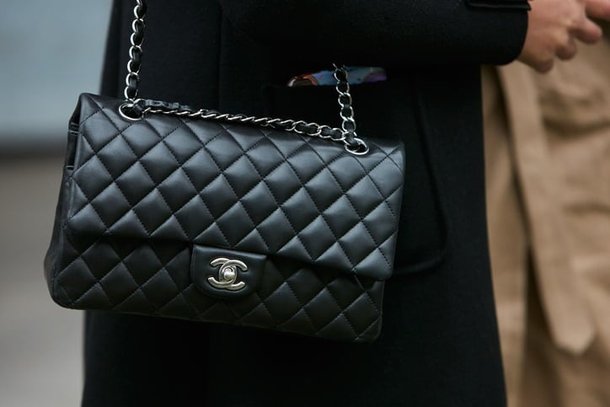
Analysts suggest that the axis of luxury consumption is shifting from bags to jewelry. This is because iconic products from major brands, such as Hermès’ Birkin bag and Chanel’s Classic Flap bag, are now being perceived as “common.”
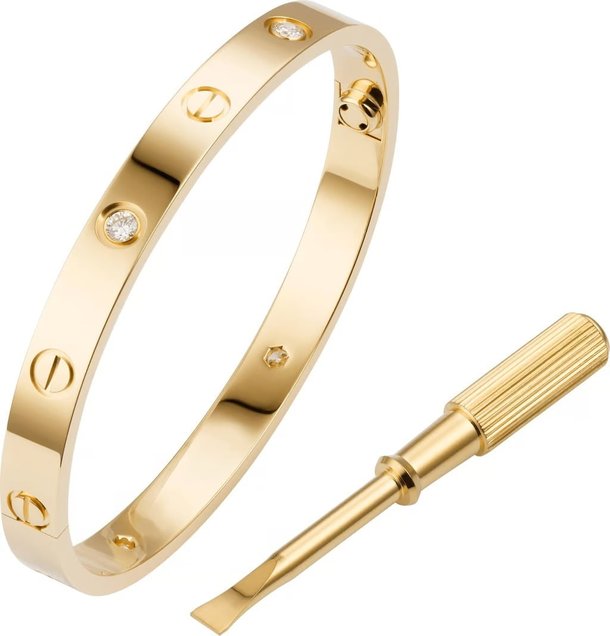
Cartier’s ‘Love Bracelet’. Hankyung DB
Imported brands are leading the growth of the domestic jewelry market. According to the Wolgok Jewelry Industry Promotion Foundation, the Korean jewelry market reached 9.7744 trillion won last year, approaching the 10 trillion won mark. The year-on-year growth rate was 11.4%. While the domestic jewelry market shrank 1.1% to 5.9709 trillion won, the import market grew 39.2% to 3.8035 trillion won. The imported jewelry market has expanded 113.8% compared to four years ago, with an average annual growth rate of 20.9%. Its share of the total market also rose from 25.6% to 38.9% over the same period.
The rise of imported jewelry brands is attributed to the sustained increase in gold prices over several years.
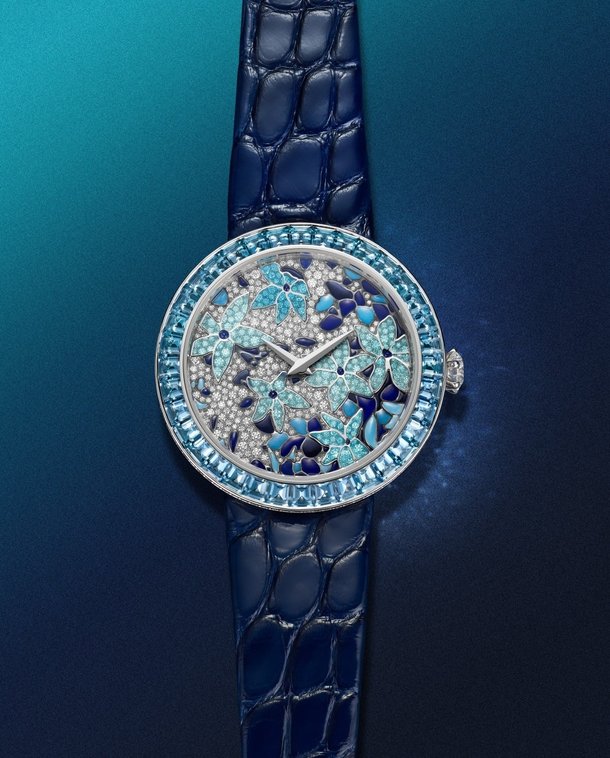
Tiffany’s ‘Eternity Watch’ collection. Hankyung DB
The ‘small luxury’ trend, driven by prolonged high inflation, is a key factor fueling jewelry consumption. A growing number of consumers are seeking ‘small indulgences’ through jewelry, which is less of a financial burden than clothing or bags. In fact, while the high-end fine jewelry market shrank 6.9% last year, the fashion jewelry market grew by 22.1%.
Bulgari High Jewelry Collection ‘Eclectica’. Provided by Bulgari
Watches are also gaining attention as investment assets, as their price volatility is lower than stocks, allowing for relatively stable asset management.
Indeed, transaction volume on the luxury watch second-hand trading platform ‘Biver’ exceeded 20 billion won in April this year. The platform’s monthly active users (MAU) are around 500,000.
With an increase in the early 30s population and a subsequent rise in marriages, demand for wedding gifts is also recovering. The domestic wedding jewelry market, which was 989.1 billion won in 2021, shrank to 614.3 billion won in 2023 but rebounded to 857.7 billion won in 2025. This mirrors the trend in the number of marriages, which declined for 11 consecutive years from 2012 but rebounded in 2023 and has been increasing for three consecutive years. Last year, the number of marriages reached 240,000, the highest in seven years.
Luxury consumption by foreign tourists is also increasing due to the depreciation of the Korean won. In May, foreign luxury sales at Hyundai Department Store’s ‘The Hyundai Seoul’ jumped 140.6%, with high jewelry sales surging 220.1%. At the main branch of Shinsegae Department Store, the share of luxury sales accounted for by foreigners rose from 9.2% last year to 15.8% (January to May basis).
Reporter Jang Seo-woo: [email protected]