Editor’s Note
**Editor’s Note:** This piece highlights Repossi’s milestone 40th anniversary at Place Vendôme, celebrated with an exclusive presentation at the Ritz Paris during Haute Couture Week. The event underscores the maison’s enduring legacy and its latest high jewelry creations under LVMH.
On July 8, during the height of Paris Haute Couture Week, a very special presentation was held at the Ritz Paris, where the eyes of the global fashion and art world were focused. It was a celebration of the 40th anniversary of Repossi establishing its home at Place Vendôme, the heart of Paris and the epicenter of high jewelry. The avant-garde high jeweler, part of the LVMH group, unveiled new high jewelry creations that encapsulate the maison’s creative vision and exquisite craftsmanship to mark this historic milestone.
True to Repossi’s ethos of maximizing the beauty of space and line beyond mere displays of dazzling gems, these new pieces boast striking silhouettes reminiscent of modern architecture. The works reinterpret the brand’s solid heritage with a contemporary sensibility, once again imprinting Repossi’s bold identity on the world through unique sculptural beauty and extremely refined setting techniques.
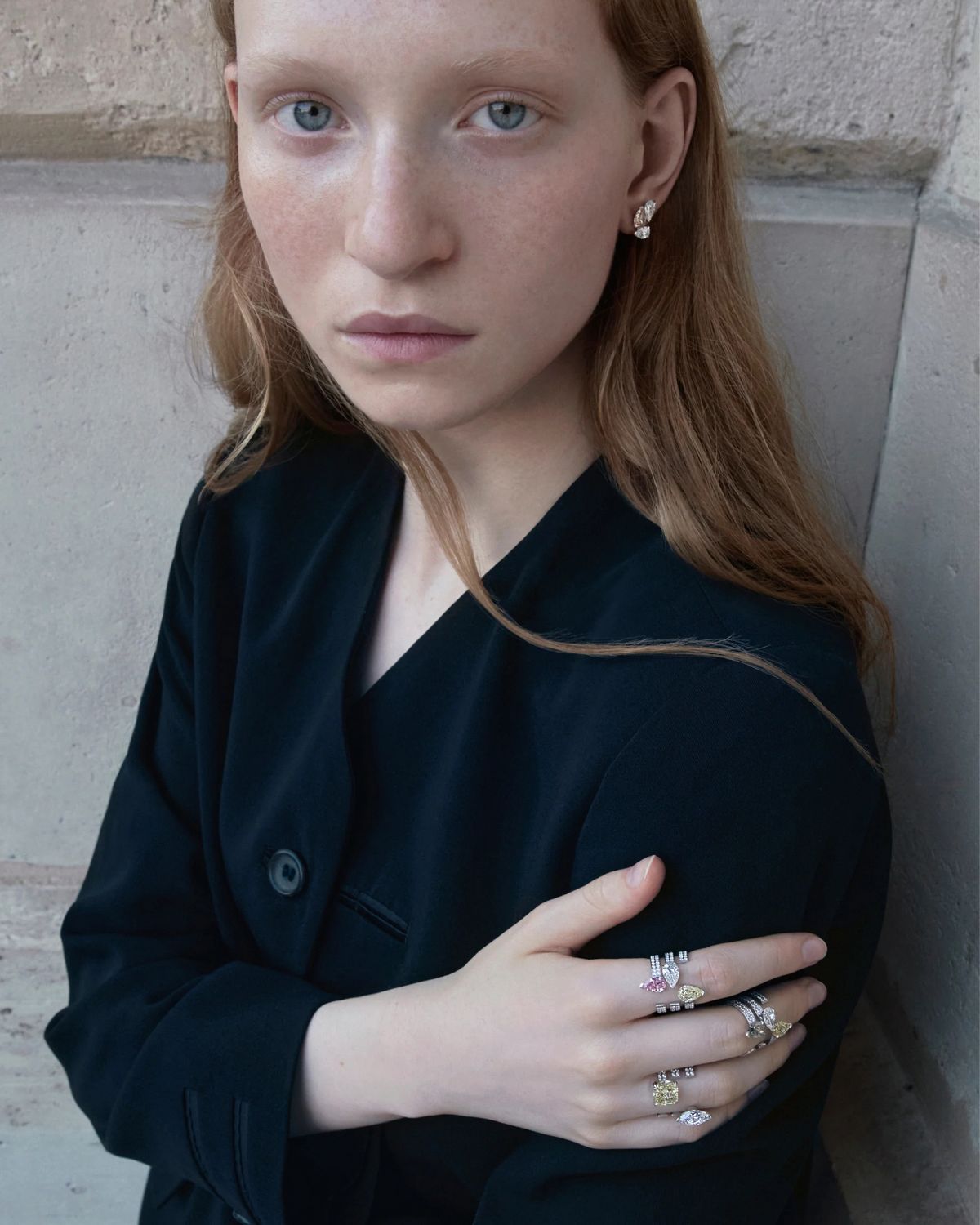
If you were to name the most iconic collection representing Repossi’s history, it would undoubtedly be ‘Serti sur Vide’. Literally translating to ‘setting on a void’, this collection minimizes the metal structure holding the gem, creating an illusion that the stone floats on its own on the skin.
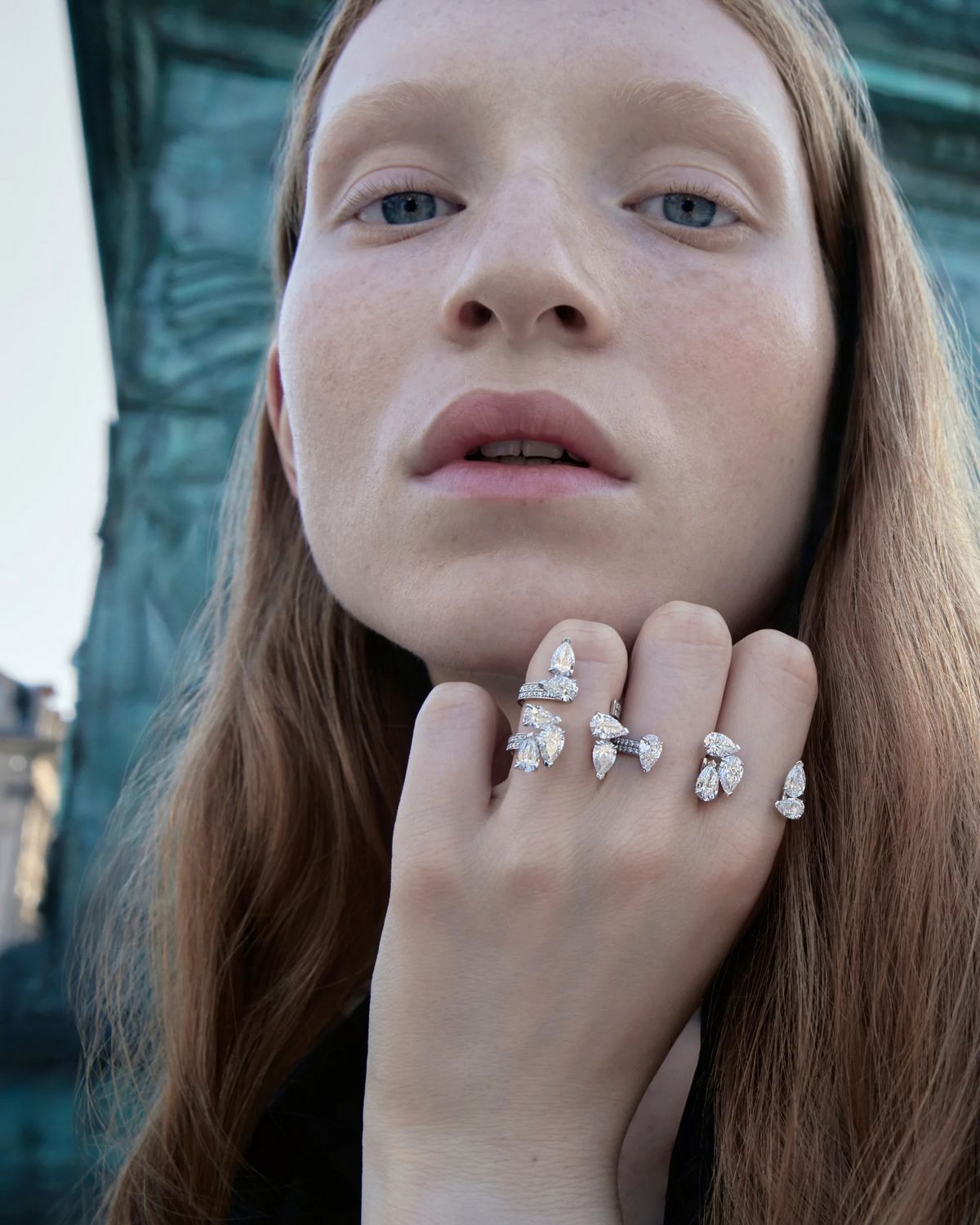
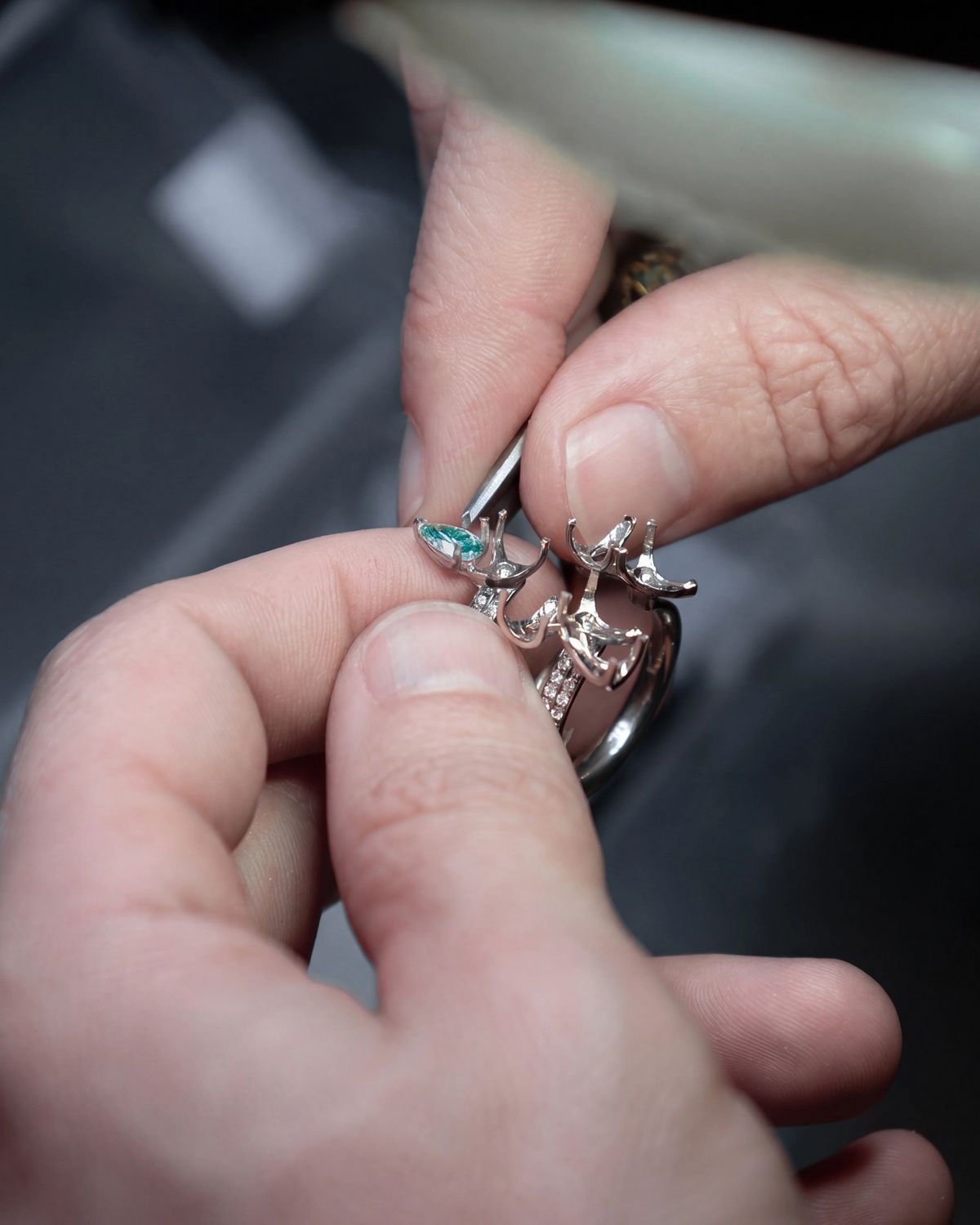
This highlights the maison’s boldness in completely deconstructing the grammar of the classic solitaire ring and recreating it with a modern sculptural language. The core element of the collection is the pear-shaped diamond, seemingly floating on the skin. Repossi’s patented ‘Eiffel Tower’ setting supports the stone with only the most delicate prongs, maximizing the pure value and light of the diamond itself. It is the most elegant realization of the maison’s pursued ‘aesthetics of space and balance’.
The 13 newly added high jewelry pieces boldly expand the visual language of the existing Serti sur Vide collection.
The most eye-catching is the first-ever ‘Double Ring’ in the collection. Following the success of the beloved ‘Twin Ring’, this new piece adopts a minimalist structure spanning two fingers. It gives the impression of a dazzling pear-cut diamond floating in the space between the fingers, earning praise for perfectly recreating the primordial gesture of the jeweler placing a stone on their fingertip to admire it.
The ear cuff and earring lineups, focusing on movement and flexibility, are also generating buzz. Based on motifs selected from the maison’s archives, they create a spectacle where multiple diamonds flow in graceful, fluid curves. The meticulous care is evident in the extreme concealment of the metal’s presence, allowing each stone to shine purely in space.
Notably, the ‘brooch’, presented for the first time in this season’s Serti sur Vide line, is proposed as a modern statement piece that transcends gender boundaries, aligning with the genderless trend. Matching it with classic attire instantly creates a bold and urban atmosphere, already exciting fashion enthusiasts.
A significant evolution has also occurred in the silhouettes of the stones. In addition to the iconic pear shape, the collection introduces the soft, classic brilliance of cushion cuts and the sharp, sensual appeal of marquise cuts. The ‘Fancy Serti sur Vide’ line, where these various cuts create colorful gradients and contrasts, leads gems into the realm of three-dimensional sculptural art through exquisite layering of white and colored diamonds.
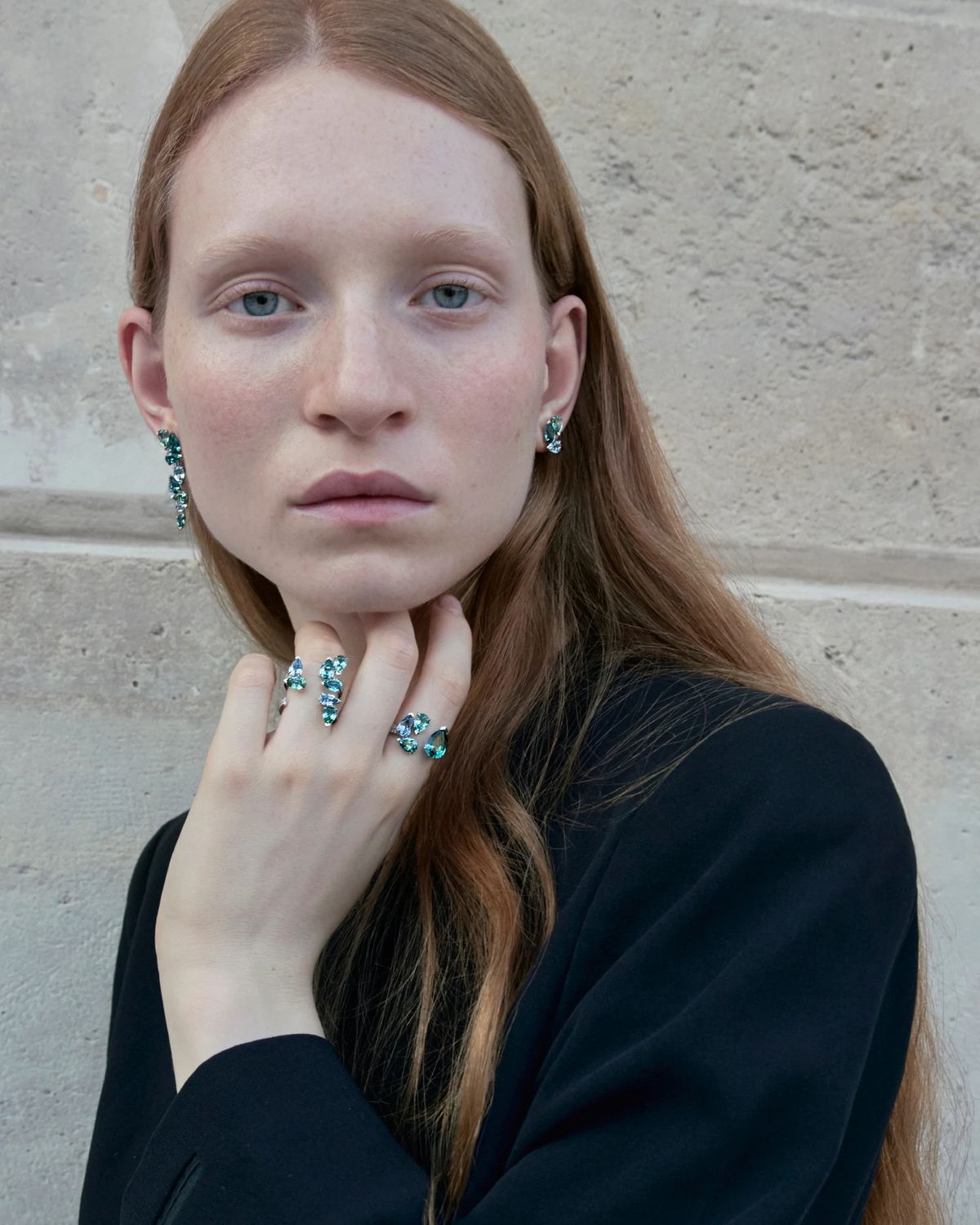
The highlight of this anniversary collection is four special high jewelry editions dedicated to the 40th anniversary of the Place Vendôme flagship store. Repossi has infused the diamond-centric Serti sur Vide with captivating green and blue hues.
The inspiration for this stunning color palette is the ‘Colonne Vendôme’ (Vendôme Column) standing tall in the center of Place Vendôme. The unique, deep, and subtle turquoise patina created by the natural oxidation of the bronze wrapping the column over years of wind and rain has been faithfully translated into the gems.
To perfectly recreate this historical color, Repossi meticulously selected indicolite tourmaline, green tourmaline, and transparent aquamarine. Each stone, chosen to strict standards, shows a fluid and natural transition of color through detailed gradient placement. It is an artistic masterpiece that immortalizes the brilliant heritage of 40 years at Place Vendôme on jewelry.
Repossi’s avant-garde aesthetic was not created overnight. Founded in 1957 in Turin, Italy, by Constantino Repossi, the son of a goldsmith, the maison has expanded its artistic vision through generations. Second-generation director Alberto Repossi served as the official jeweler to the Monegasque royal family, successfully establishing the house on the world stage and gaining fame for crafting a legendary engagement ring gifted by the Prince of Monaco.
In 1986, Repossi finally planted its historic flag at 6 Place Vendôme in Paris. Through the era of third-generation Creative Director Gaia Repossi and up to its current place within the LVMH group, they have uncompromisingly upheld the great heritage of ‘100% handcrafted methods without the aid of machinery’.
The courage to embrace empty space, the bold architecture of floating gems in the air, and the profound insight of paying homage to a historic location. This Place Vendôme 40th-anniversary Serti sur Vide collection is evidence of the most elegant and contemporary peak that high jewelry can achieve.