Editor’s Note
The 1950s boatneck top is making a stylish comeback, channeling the timeless elegance of icons like Audrey Hepburn. This chic, versatile silhouette is once again capturing fashion’s attention.
Edward Berthelot/Getty
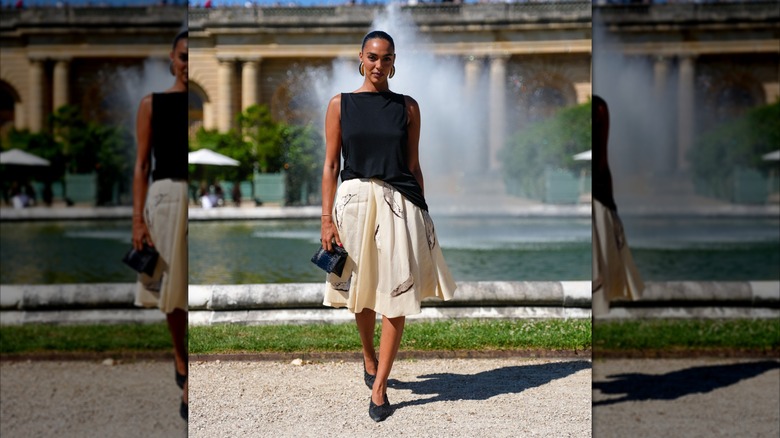
Tops and dresses with boatneck silhouettes were one of the 1950s’ best trends. Stars like Audrey Hepburn stunned wearing outfits featuring the elegant neckline, and now we’re trying to emulate their style.
, and it’s not difficult to see why the silhouette would return to popularity several decades after its peak. The collarbone-grazing cut is understated and posh, which perfectly fits the current shift from quiet luxury to maximalist expression. The neckline is also universally flattering and easily makes any outfit look sophisticated and chic.
However, in 2026, we’re combining the classic boatneck style of the ’50s with bold colors, edgy fabrics, and statement jewelry. For an ultra-unique (and very 2026) take on the traditional boatneck, some are even wearing the cut in sheer “going out” tops as well as off-the-shoulder vests and blazers for an office-appropriate statement. This retro trend has been seamlessly adapted to fit the fashion needs and wants of modern women.
Raymond Hall/Getty
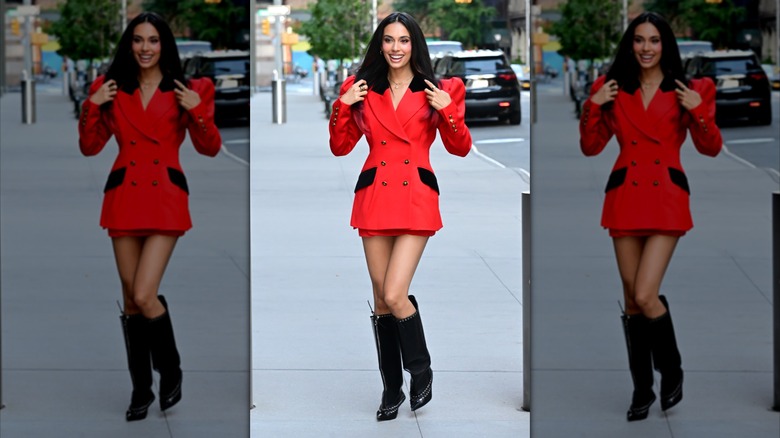
Oversized shoulders were the powerful silhouette trend of 2024, and we project that they’ll be one of the biggest retro revivals of the year.
As maximalist fashion makes its triumphant 2026 return, it’s no surprise that the over-the-top silhouettes of the 1980s have also made a comeback. One of the most dominant trends for working women of the ’80s was the structured blazer. Shoulder pads from that era projected a powerful, confident energy out to the world, something we’re hoping to emulate today. Alongside bold jewelry (another returning trend we’ll discuss), power-shoulder suits are becoming more popular with stylish women in 2026.
But shoulder pads aren’t just making a comeback in corporate wear. Celebrities like Zoë Kravitz and Teyana Taylor donned unique power-shoulder trench coats at Paris Fashion Week late last year (predicting the larger trend to come). But more recently, in July 2026, actor Kylie Cantrall provided iconic shoulder-pad inspiration with the red double-breasted jacket she wore for a press tour. Shoulder pads may be just one of many retro trends returning in 2026, but they’re certainly one of the most chic.
Moritz Scholz/Getty
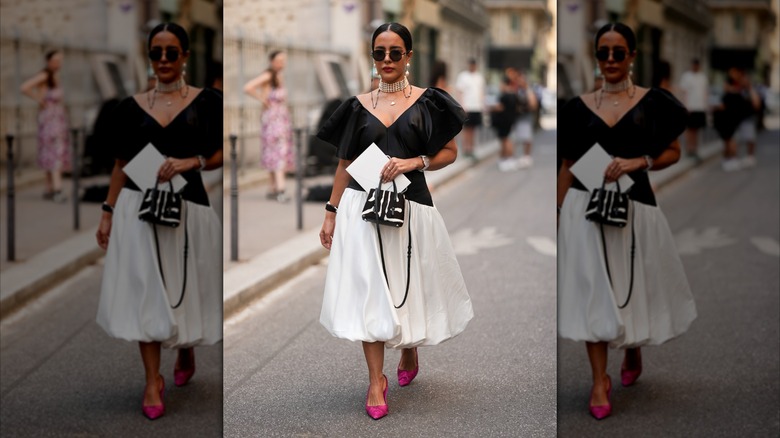
Two of the most dominating aesthetics of the 2020s have been clean girl and quiet luxury — both of which involve polished outfits and low-key accessories. However, 2026 is seeing a renaissance of in-your-face fashion. This year, we’re taking inspiration from the ’90s, and elegant yet expressive jewelry is coming back into the mainstream. The ’80s and ’90s saw a variety of bold jewelry trends, including large diamond-studded drop earrings, multi-strand pearl chokers (like the pearl-and-sapphire necklace made iconic by Princess Diana), and statement necklaces. Now that maximalism is trending again, these pieces are returning to our wardrobes.
If you’re wearing a simple outfit, jazz up your look with a bold necklace or eye-catching earrings. While there will always be a place in fashion for thin gold chains and dainty hoops, this year is all about taking risks and having fun.
Valentina Frugiuele/Getty
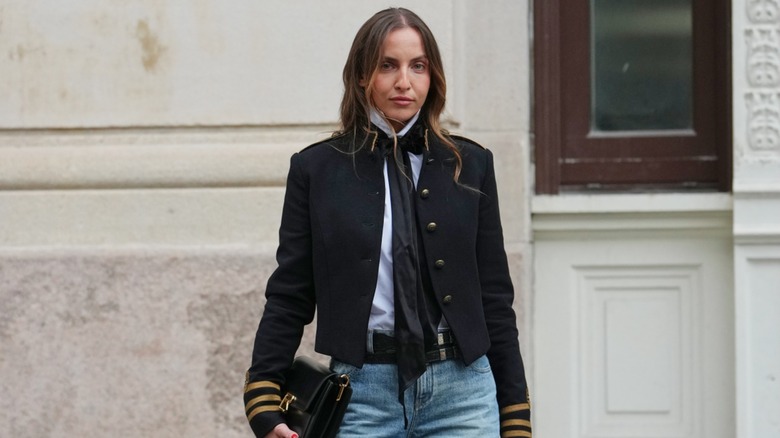
2026 is the year of style contradictions — we’re mixing bold and understated, high and low. One of the most popular ways to style military jackets is with a pair of simple blue jeans. The blend of structured high fashion with classic, slouchy denim channels off-duty model vibes, a la Kate Moss in the 2000s. But if you’re still not a fan of the throwback style, there are plenty of new variations on the military jacket to keep it looking fresh. Several designers, including Alexander McQueen and Khaite, have come out with unique twists on the style, experimenting with materials like shearling and leather, and unexpected elements like floral patterns and chains.