Editor’s Note
**Editor’s Note:** This article explores the origins and philosophy of Norwegian jewellery brand Tom Wood, highlighting its commitment to timeless design and sustainable craftsmanship since its founding in 2013.
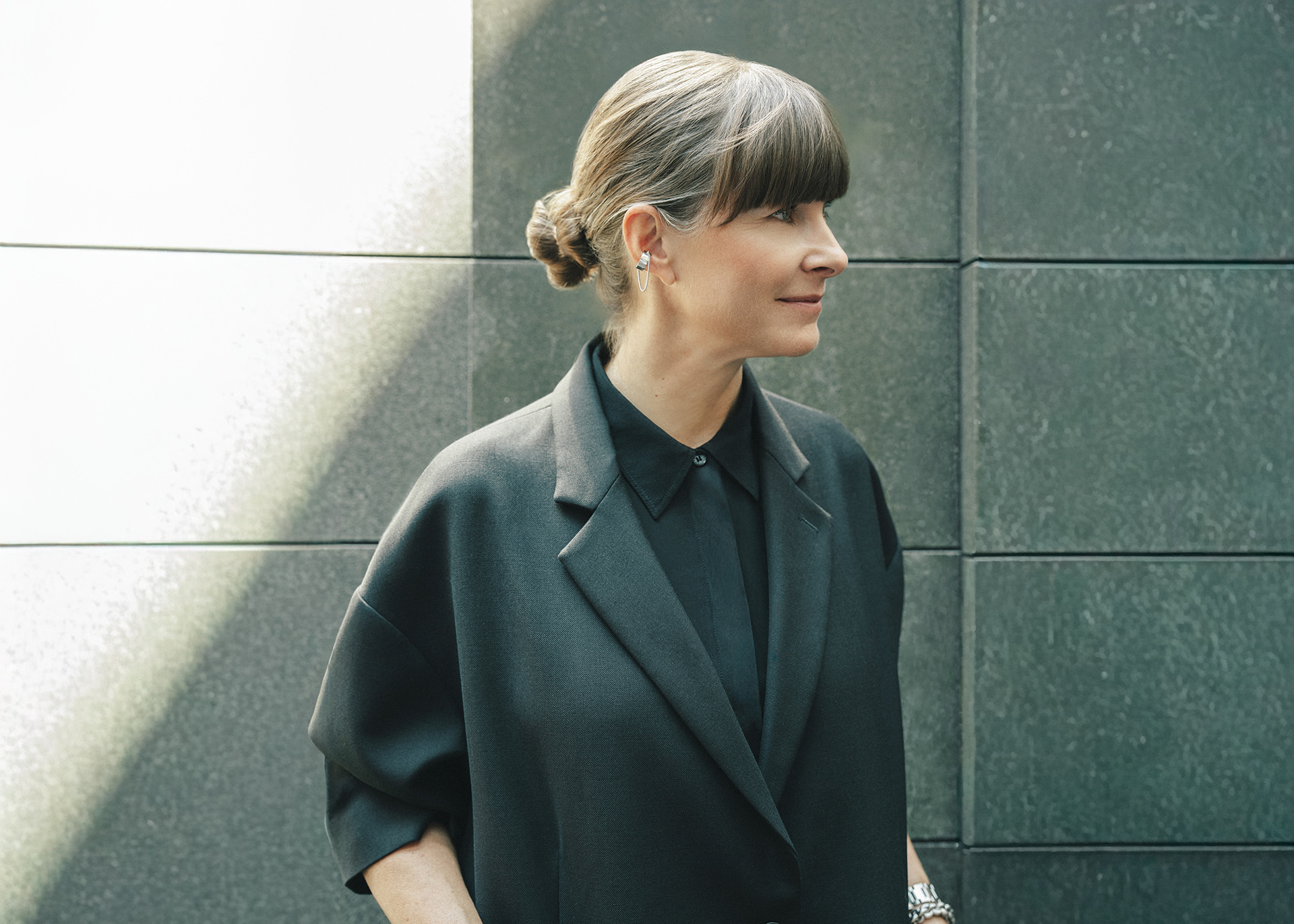
In 2013, the jewellery brand Tom Wood was founded in Oslo, Norway, by Mona Jensen and Morten Isachsen. Reinterpreting the signet ring into quietly understated pieces, its jewellery holds both a timelessness that stays free of passing trends and a strength that draws out the wearer’s own presence. From the beginning, a commitment to making things that last has been at the core of the brand’s philosophy, and in recent years it has pushed that thinking into more concrete practice through greater transparency and traceability in how its materials are sourced. On Friday, June 12, the brand’s first directly operated store in Osaka opened at Shinsaibashi PARCO. Held alongside the opening, the exhibition A Journey in Craft turned its focus not only to the finished jewellery but to the material studies and the craftsmen’s handwork behind it. We spoke with co-founder Mona Jensen, in Japan for the occasion, about the origins of her creativity, her resonance with Japanese craftsmanship, and a way of making whose meaning deepens as time accumulates.
I grew up on a very small island on the west coast of Norway, surrounded by the ocean, forest, and rocky mountains. Our house was a 200-year-old former bakery with very thin walls, so I fell asleep and woke up to the sound of the ocean, and the moment you stepped outside you could smell it too. We had no phones or internet, so as a child I was always playing outside, building little gardens for animals and making things out of whatever nature gave me. That constant presence of nature shaped the way I see form, texture, and materials, and taught me to appreciate simplicity.
The real turning point came when I saw the first test samples I’d made at one of the factories we still work with today. It was a group of signet rings, and the moment I saw them I had that instant feeling—the way you do with your own child—that this was mine. What was new for me was daring to be responsible for the outcome of my own creativity, because showing your creativity is much deeper and more personal than advising. After about a year of planning, I left my agency in 2013 and dedicated myself fully to Tom Wood.
I want to make things that can last—pieces I won’t get tired of and can wear for a long, long time. We don’t chase trends. Instead, we focus on strong forms, quality in materials, and craftsmanship, so a piece can be worn for years and maybe passed on to a new generation. That has always been the foundation of Tom Wood. And it isn’t only jewellery—I care about that whole dimension across every category: furniture, clothing, art.
The way I reach that is by keeping things simple. Simple is strong, because once you remove all the noise, what’s left are the best components—sometimes the material, sometimes the shape. When you take things away, everything shows, so a piece has to be truly good to stand on its own; if you add a lot, you’re usually hiding something. And once you’ve taken everything away, what remains is what deserves to be there—what deserves to stay forever. I challenge myself to reignite a shape, or to create something from very few elements, in such a way that it will be beautiful now and still beautiful fifty years from now.
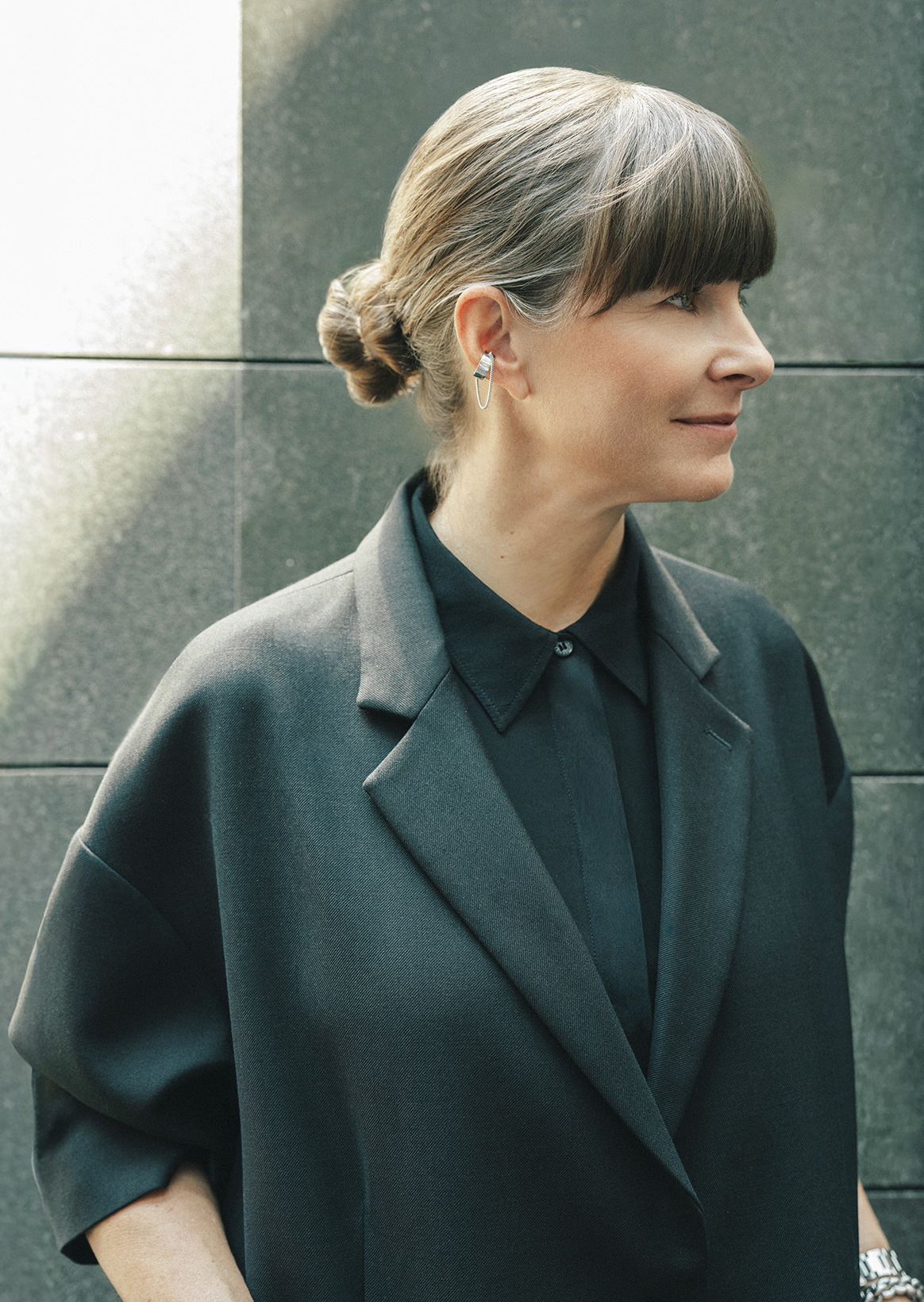
I don’t like to throw things away, and I like to wear things until they’re worn smooth—the trousers I have on today are twelve or thirteen years old. To me, scratches don’t matter; they mean a piece has been worn and loved. Jewellery isn’t meant to stay untouched in a box—it’s meant to be worn, and over time those marks become part of the story and give a piece character.
I remember feeling incredibly powerful whenever I wore it. It was very heavy, and at a time when my other jewellery was thin and light, that weight meant that if I forgot to put it on, I noticed its absence. It was the first piece of jewellery I ever truly got attached to.
—— A Journey in Craft, presented alongside the opening, shined a light not only on the finished jewellery but on the processes and material considerations behind it. What made you want to reveal these often unseen aspects of the creative process?
As a brand, we want to offer full transparency into the production process, from sourcing to the finished piece. So rather than just presenting the finished jewellery, we wanted the exhibition to show the thinking behind it: the material studies, the physical gestures, the decisions that define what we create.
—— Tom Wood has long embraced sustainability with the belief that it has a responsibility to drive meaningful change within the jewellery industry. What do you see as the greatest challenge in putting that philosophy into practice today?
