Editor’s Note
**Editor’s Note:** The ongoing conflict has cast a long shadow over Indore’s bullion market, triggering a sharp 25–30% drop in gold sales and deepening the crisis for the gems and jewelry industry. This report examines how war-induced uncertainty is silencing one of Madhya Pradesh’s key trading hubs.
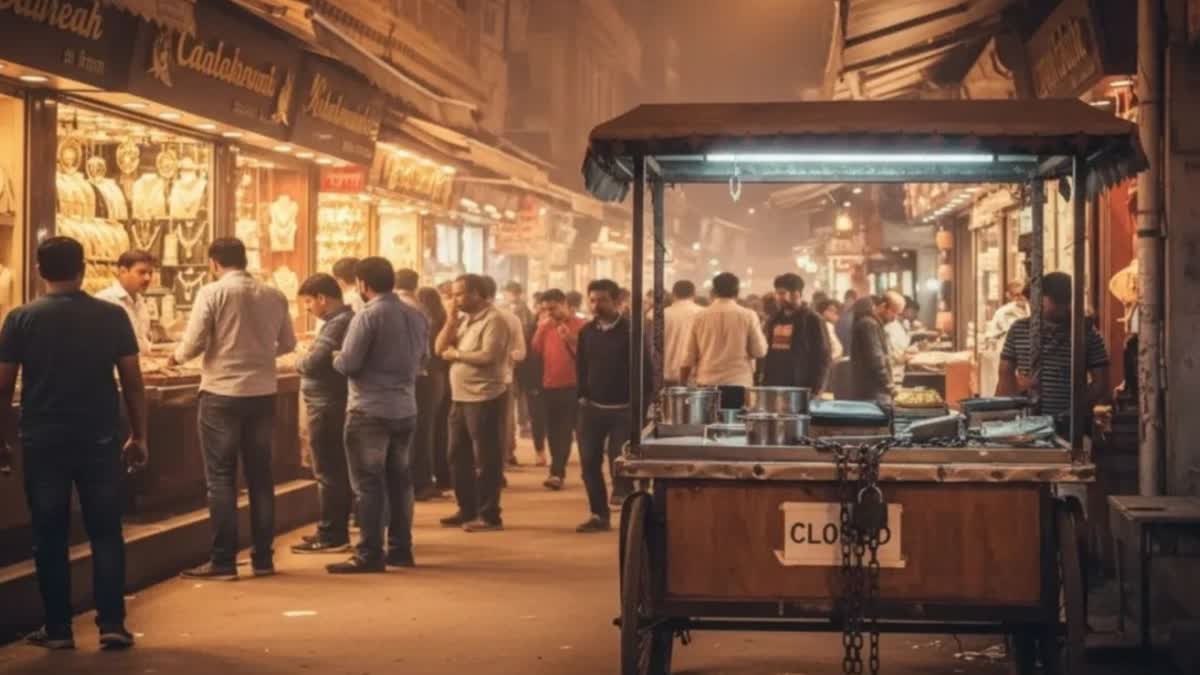
ETV Bharat / state / As war clouds deepen, the bullion market falls silent, and the gems and jewelry industry is once again in crisis. Indore’s bullion market, the largest in Madhya Pradesh for buying and selling, is suffering from the war-induced recession. Gold sales have dropped by 25 to 30 percent.
Indore: The resumption of the Iran-US war is deepening the crisis for the state’s bullion market, beyond just oil prices. The situation is such that customer footfall has decreased by up to 30 percent compared to last year. Indore’s bullion market, the largest in Madhya Pradesh, is unable to recover from the war-induced recession. Two weeks ago, when a ceasefire agreement was reached between Iran and the US, the drop in crude oil prices brought some relief to the jewelry market. Now, with the war restarting between the two countries, the market has again fallen into an economic downturn.
In Ratlam, bullion business has halved, and gold artisans are going on leave due to lack of orders. Currently, gold is priced around 1,41,000 rupees per 10 grams, and silver around 2,22,000 rupees per kilogram. Additionally, due to the 15% excise duty on gold and silver imports, gold sales have seen a decline of 25 to 30%. The Prime Minister’s appeal not to buy gold has compounded the situation.
According to estimates, the Indore bullion market, which typically does business worth 60 to 70 crore rupees annually, is now pinning its hopes on the festive season. Purchases during Ganesh Chaturthi, Navratri, Raksha Bandhan, Diwali, and Dhanteras after the rains are expected to revive the market. Investors who have already bought gold and silver at elevated prices are waiting for further price increases to offload their stock. There is no liquidity in the market as regular purchases of gold and silver by end-users have almost stopped.
The declining interest in gold and silver jewelry among the youth is also impacting the market. Due to high gold prices, those who used to buy gold worth up to 10 lakh rupees for weddings can now only afford 10 grams. Consequently, the wedding season has not brought the expected number of customers. Additionally, gift items made of gold and silver, which were popular at weddings, have almost no buyers. The younger generation shows no inclination towards gold and silver.
The president of the Bullion Association states that the import duty imposed by the Indian government to control gold imports has also affected purchases. It is also being said that the government’s decision has led to an increase in smuggling. Therefore, the bullion organization is demanding the withdrawal of the import duty on gold.