Editor’s Note
**Editor’s Note:** This piece explores the shifting dynamics of India’s jewellery market, where a new generation of style-conscious, value-aware consumers is driving demand for affordable luxury. As traditional buying habits evolve, real, meaningful jewellery fills the gap between high-end opulence and synthetic imitations.
India has always had an intimate relationship with jewellery. It is woven into our culture, our celebrations, and our sense of identity. But the way Indians buy jewellery is changing — and changing fast. A new generation of consumers has emerged: style-conscious, value-aware, and deeply sceptical of synthetic imitations. They want jewellery that is real, meaningful, and beautiful. They want it at a price point that does not require a special occasion to justify.
Enter semi-precious stone jewellery — arguably the most exciting and underserved category in India’s jewellery retail landscape today. Sitting confidently between costume jewellery and high-end fine jewellery, semi-precious stone jewellery is redefining what affordable luxury looks and feels like for the modern Indian consumer.
Affordable luxury as a concept is not new. It has powered the growth of premium skincare, craft beverages, and artisan home décor in India over the past decade. But jewellery has been slower to catch up — largely because the category has traditionally been polarised between cheap fashion pieces on one end and expensive gold and diamond jewellery on the other.
Semi-precious stone jewellery bridges this gap elegantly. Pieces crafted from stones like amethyst, turquoise, labradorite, rose quartz, moonstone, and lapis lazuli carry genuine material value. They are visually striking, versatile, and deeply personal — many stones carry cultural, spiritual, or symbolic meaning that resonates strongly with Indian buyers. And critically, they are accessible. A beautifully crafted semi-precious stone piece can be owned for a fraction of what fine jewellery costs, without any compromise on authenticity or craftsmanship.
Several converging trends are accelerating the appetite for semi-precious stone jewellery in India:
Indian women are increasingly buying jewellery for themselves rather than waiting for it as a gift or a family heirloom. This shift fundamentally changes the purchasing dynamic. Self-purchasers prioritise personal taste, everyday wearability, and individual expression — all areas where semi-precious stone jewellery excels.
The explosion of D2C brands and social commerce has made it possible for niche, handcrafted jewellery labels to reach and build loyal audiences at scale. Consumers who would never have discovered an artisan jewellery brand through traditional retail are now finding and falling in love with these products on Instagram, Pinterest, and curated online stores. Semi-precious stone jewellery photographs beautifully, making it naturally suited to discovery through visual platforms.
Not all semi-precious stone jewellery is created equal. The category’s growth has inevitably attracted low-quality entrants — mass-produced pieces that use inferior stones and base metals dressed up with marketing language. Discerning consumers are learning to tell the difference, and this is where brands grounded in genuine craftsmanship have a significant and durable advantage.
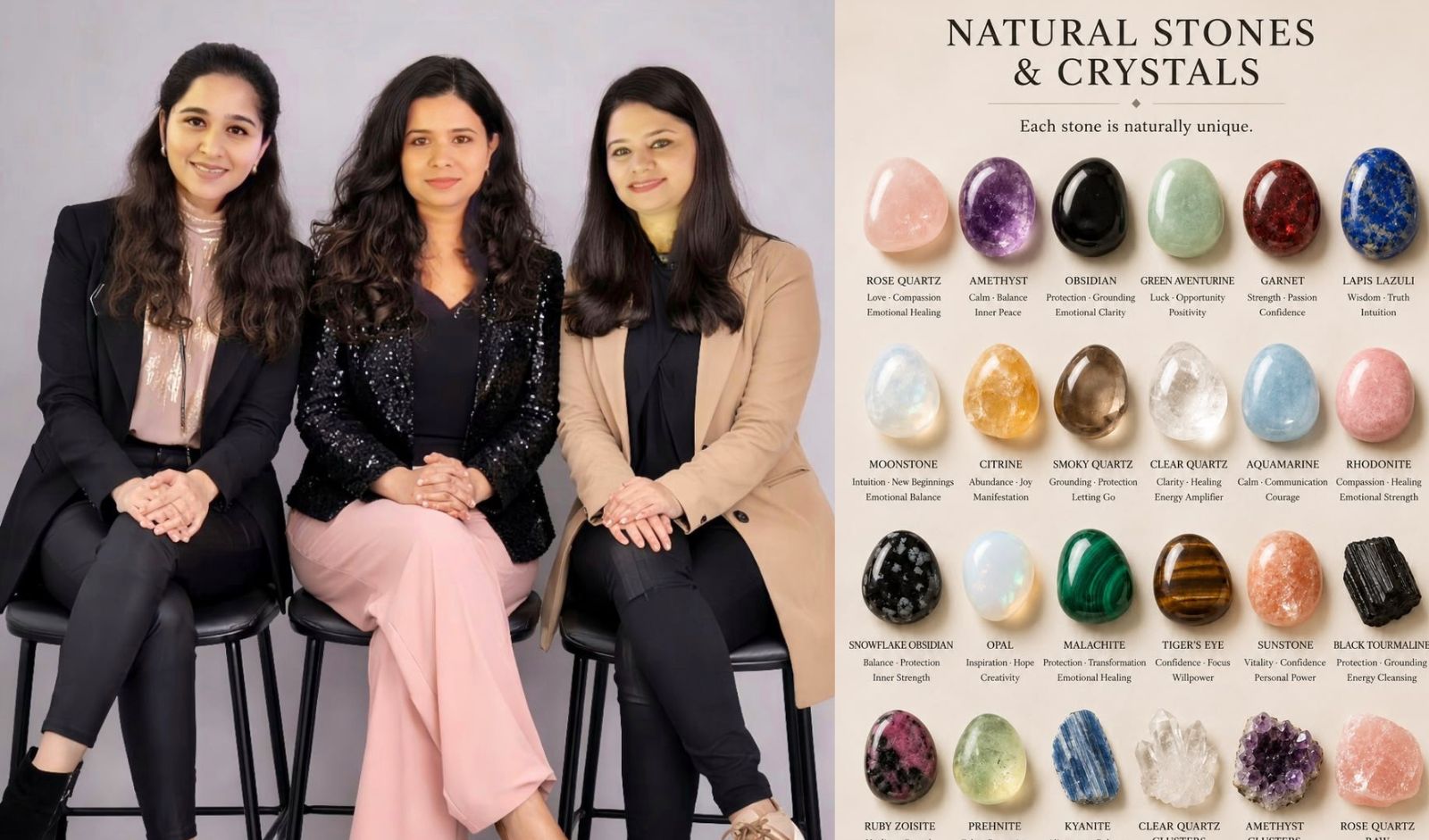
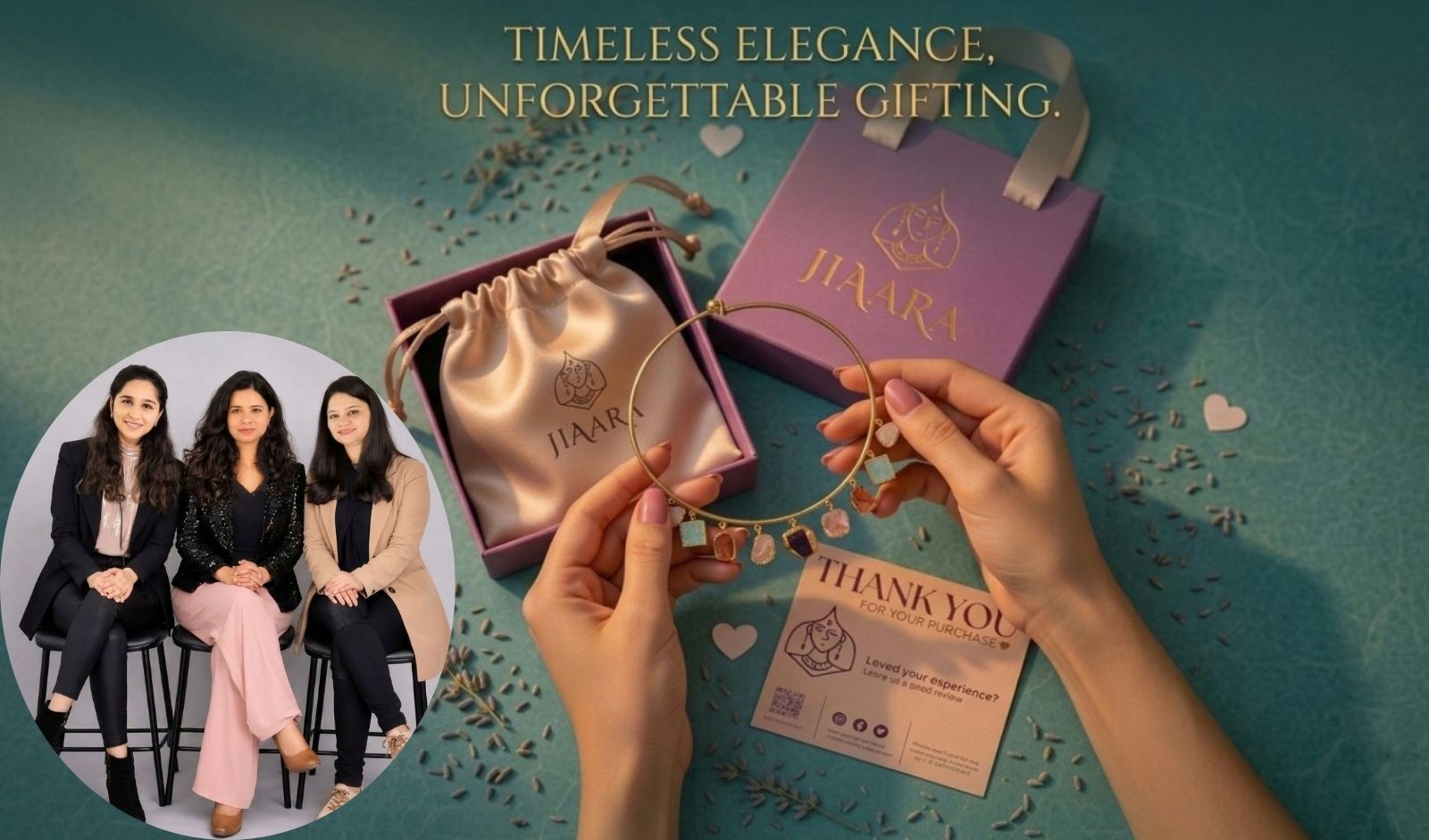
Brands like JIAARA, for instance, have built their entire identity around the integrity of their materials and their making process. Founded by three sisters — Ankita Singh, Sushmita Singh, and Garima Singh — JIAARA is a women-led brand that works exclusively with women artisans to create handcrafted pieces using semi-precious stones and clean, skin-safe metals. Every piece is made entirely by hand, ensuring authenticity that mass production simply cannot replicate.

This level of intentionality — in sourcing, in making, in storytelling — is precisely what elevates a piece of semi-precious stone jewellery from a purchase into a treasured possession.
For retailers and investors watching India’s jewellery market, the semi-precious stone jewellery segment represents a significant white space. The overall Indian jewellery market is projected to grow substantially over the next five years, and within it, the artisan and affordable luxury segment is growing at a notably faster pace than the traditional fine jewellery market.
What the category needs to fully realise its potential is greater visibility, editorial credibility, and mainstream retail adoption. Collaborations like JIAARA’s exclusive partnership with Marie Claire are a strong signal that fashion media is beginning to take artisan, semi-precious stone jewellery seriously as a category worth covering and championing.
Consumers in this category are educated and engaged. Brands that cut corners on stone quality or metal purity will lose credibility quickly. Invest in genuine materials and let them speak for themselves.

Semi-precious stone jewellery sells because of what it represents — the artisan who made it, the stone’s origin, the cultural or spiritual significance it carries. Retailers who invest in storytelling infrastructure — detailed product pages, artisan profiles, stone guides — will see significantly higher conversion and repeat purchase rates.
The affordable luxury positioning only works if the price point is defended with confidence. Discounting erodes the perceived value of handcrafted, material-led jewellery. Brands in this space should invest in communicating value rather than competing on price.