Editor’s Note
**Editor’s Note:** This article explores the rise of digital earrings—functional earpieces that blend technology with fashion, offering style, comfort, and connectivity without isolating users from their surroundings.
Welcome to the era of digital earrings, functional accessories to match looks for all seasons.
2 minutes read
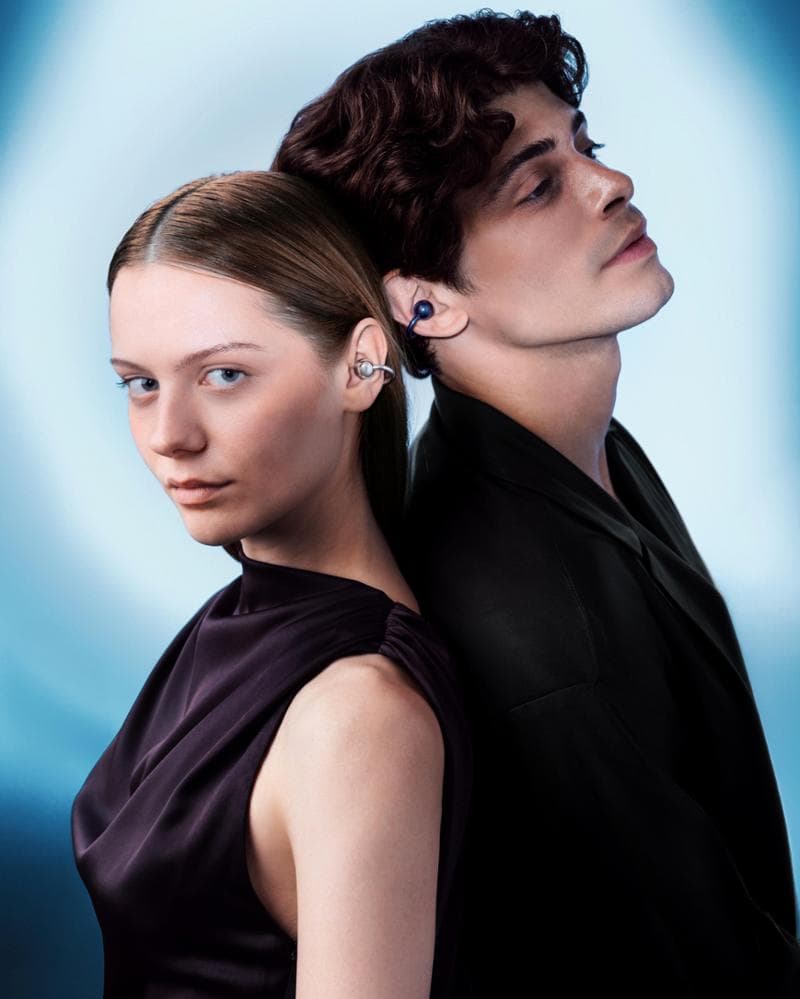
Listening to music or talking on the phone has become a new style ritual, thanks to earpieces that transcend functionality to adorn the ear like a jewel. A luminous aesthetic, which characterizes both the devices and the case, is accompanied by a pleasantness in wearing them without time limits and without total isolation from the surrounding environment, a prerogative of open-ear technologies.
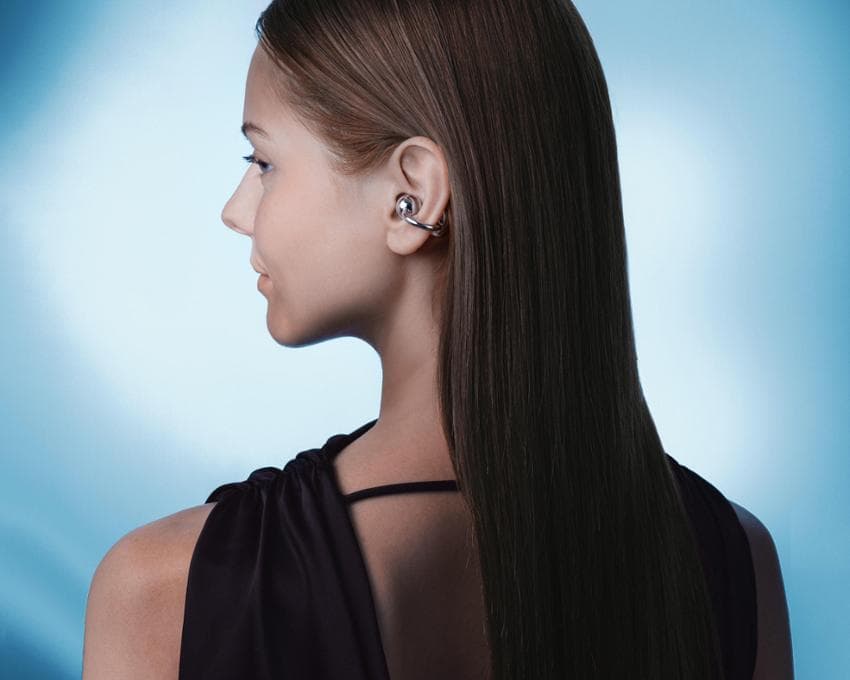
All these features are encapsulated in the FreeClip 2 S, the latest arrivals from Huawei. After the success of the first clip-on model launched in 2023, the brand has continued to explore ever-higher technical and design potentials. The result is earpieces with an Airy C-bridge arch, in two trendy and completely unisex colors: blue, a shade that recalls the deep reflections of the ocean, with a sophisticated touch; silver, which captures the natural play of light of mother-of-pearl, with a minimalist and versatile appearance.
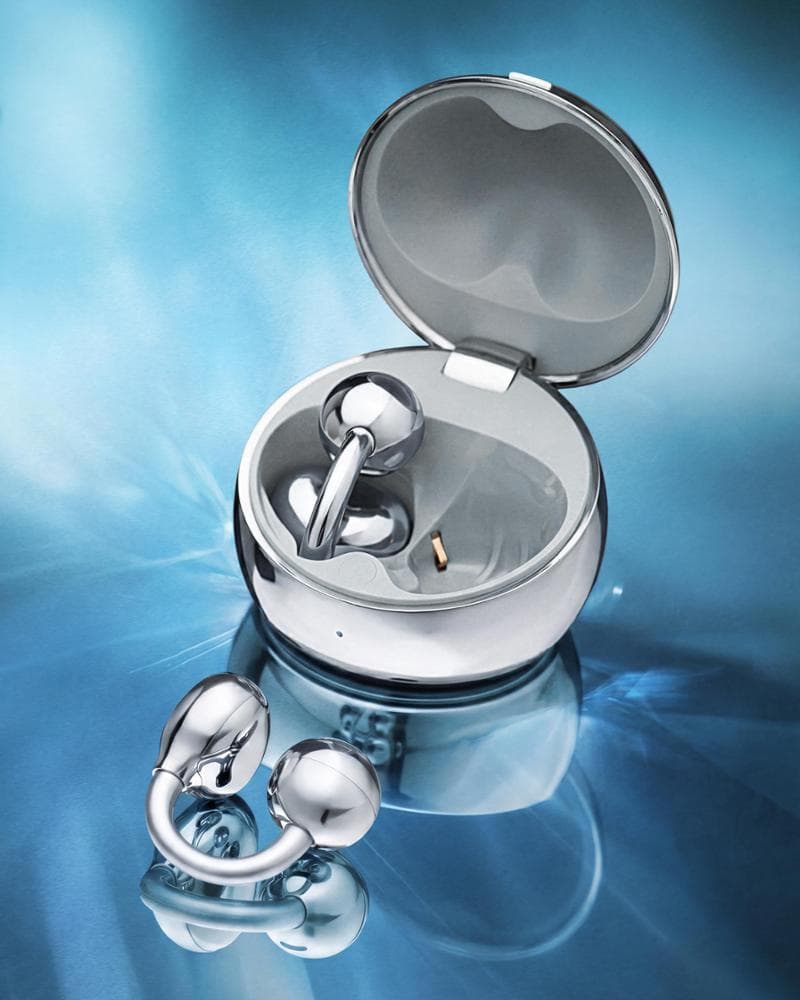
The luminous aesthetic of the earpieces and case is ensured by an ultra-glossy metallic finish. The arch of the Huawei FreeClip 2 S, made of dermocompatible liquid silicone, is softer than the previous model and is finished through 22 rigorous mixing and spraying processes. The “Luminous Case” requires at least a hundred precision processing steps to achieve its rounded, symmetrical, and splendidly reflective silhouette. Besides being a beautiful accessory to keep in a bag, inspired by the shape of a dew drop, it is extremely comfortable and maintains its compactness despite the internal space being expanded by 20% compared to the previous model.
Each individual earpiece weighs 5.1 grams, ensuring a feeling of absolute lightness, softness, comfort, and stability: ideal for those who want to wear FreeClip 2 S at all times of the day, from work to sports. Losing the earpieces, or not feeling them secure, is indeed the worst nightmare for users. For this reason, Huawei’s commitment to the correct ergonomics of its devices is constant. Furthermore, customers are offered the Loss Care service with the purchase of the “digital earrings,” which provides for the replacement at half price of a single earpiece in case of loss or accidental damage within the first 12 months. Optimal listening experience and acoustic performance remain paramount: the intuitive algorithm of the Huawei FreeClip 2 S adjusts volume and voice based on surrounding noise and preserves sound quality and clarity. Innovation and style are thus at the heart of tech jewels, to be mixed with looks and accessories.
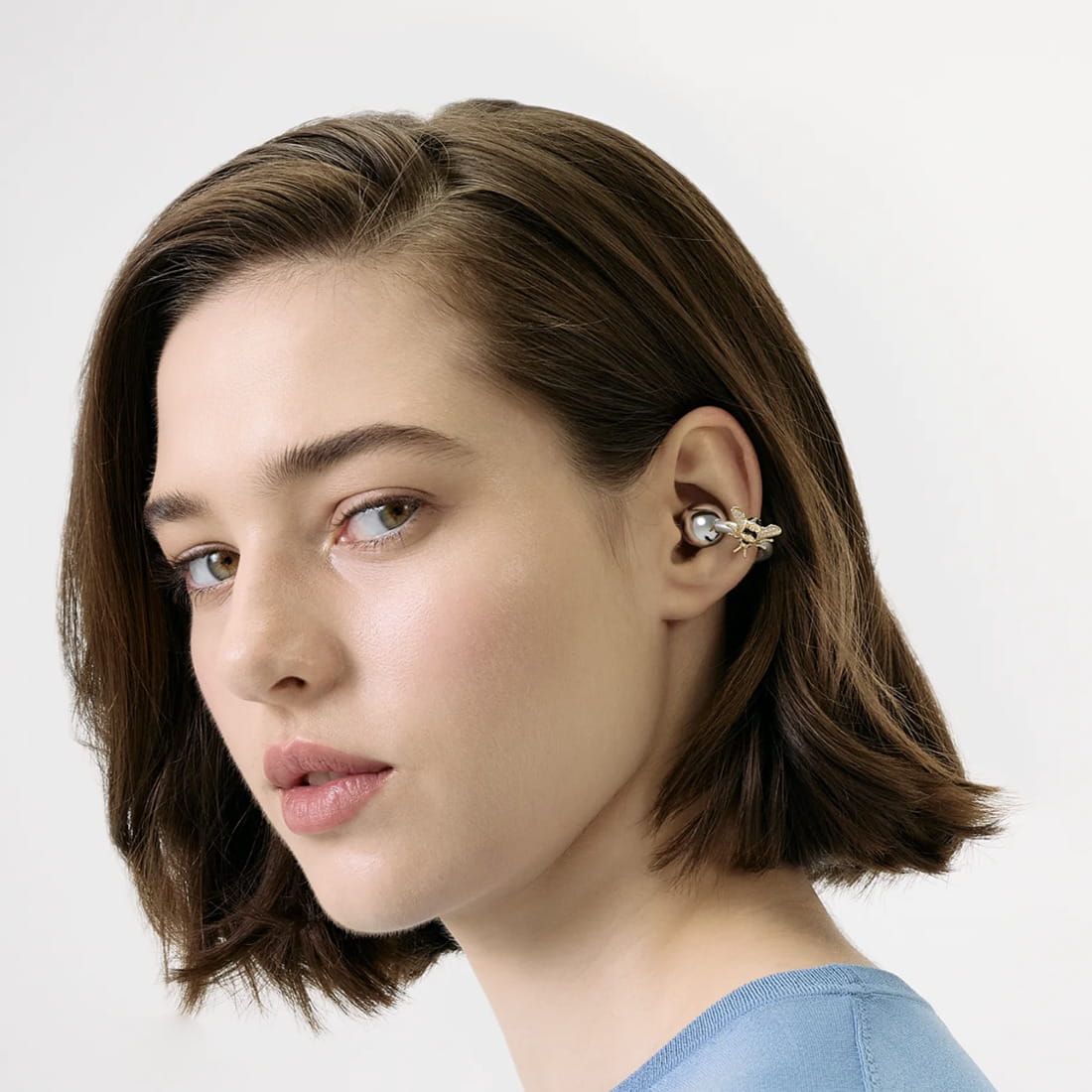
The Parisian bijou signature returns to collaborate with Huawei with charms to be applied to the arch that enhance the jewelry aspect of the earpieces. The novelties introduced by Les Néréides Paris for the FreeClip 2 S are the Ape charm and the Non ti scordar di me (Forget-me-not), inspired by the flower symbol of authentic bonds. They can be added or removed at will depending on the occasion, having fun mixing the small shiny ornaments with earrings.