Editor’s Note
International Plaza is expanding its retail and dining lineup with nine new brands, including several Tampa Bay firsts, spanning Italian fashion, Gen Z fast fashion, luxury home goods, and Brazilian neo-pop art.
From Italian haute couture to Gen Z-friendly fast fashion, high-end home goods and Brazilian neo-pop art, International Plaza is growing its retail and dining offerings this year with nine new brands, including several making a Tampa Bay debut.
New stores and brands, according to the statement, include:
- Bissinger’s Handcrafted Chocolatier, a luxury, family-owned chocolate company with a history dating back to 1668 in Paris, France. Bissinger’s opened a location in Sarasota, in the The Mall at University Town Center, last month. Bissinger’s is open now.
- Britto, a global lifestyle brand founded by internationally renowned Brazilian artist Romero Britto, which celebrated its grand opening July 11. Known as the founder of the “Happy Art Movement,” Britto’s distinctive style combines elements of cubism, pop art and graffiti and features vibrant colors, bold black outlines and playful patterns like hearts and stripes.
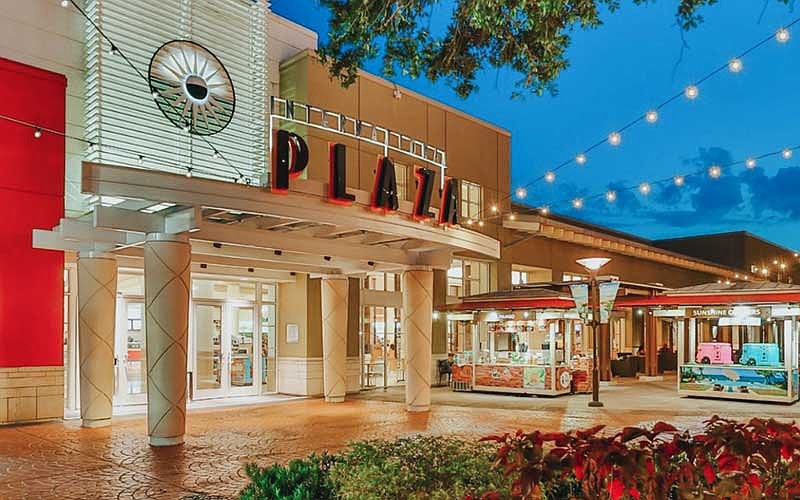
- Ceviche Tapas Bar and Restaurant, expected to debut this summer. Ceviche has been a beloved institution in the Tampa Bay area since opening in 1997 and will bring its authentic Spanish tapas and fresh seafood ceviches to an outdoor location in International Mall’s Bay Street Plaza.
- California-born activewear brand Vuori, which is also expected to debut this summer, with a new storefront next to TravisMathew set to open in August.
Rowan, which offers hypoallergenic and nickel-free earrings for sensitive ears, as well as piercings performed by licensed nurses. Rowan has already opened.
Three other new brands scheduled to open this summer — Italian fashion house Dolce and Gabbana; Italian fine jeweler Roberto Coin; and affordable, fast-fashion brand Edikted — will all open making first Tampa Bay debuts, according to the release. They’ll be joined by jewelry and lifestyle brand Kendra Scott as well as home furnishings and decor stores Pottery Barn and Pottery Barn Kids.
Existing retailers are also further investing in the International Plaza through relocations and expansions, the release states. Kay Jewelers is now open following its relocation to the second floor of the mall near Dillards, according to the release. Montblanc and Designers’ Closet are scheduled to relocate this summer while lululemon and David Yurman have planned expansions for their current locations in the fall.
Indianapolis-based Simon Property Group, which owns International Plaza, announced plans in February to significantly redevelop the property, with construction set to begin this year. That includes plans to build an open air, 50,000-square-foot expansion to the mall along with interior renovations and updates to Bay Street.