Editor’s Note
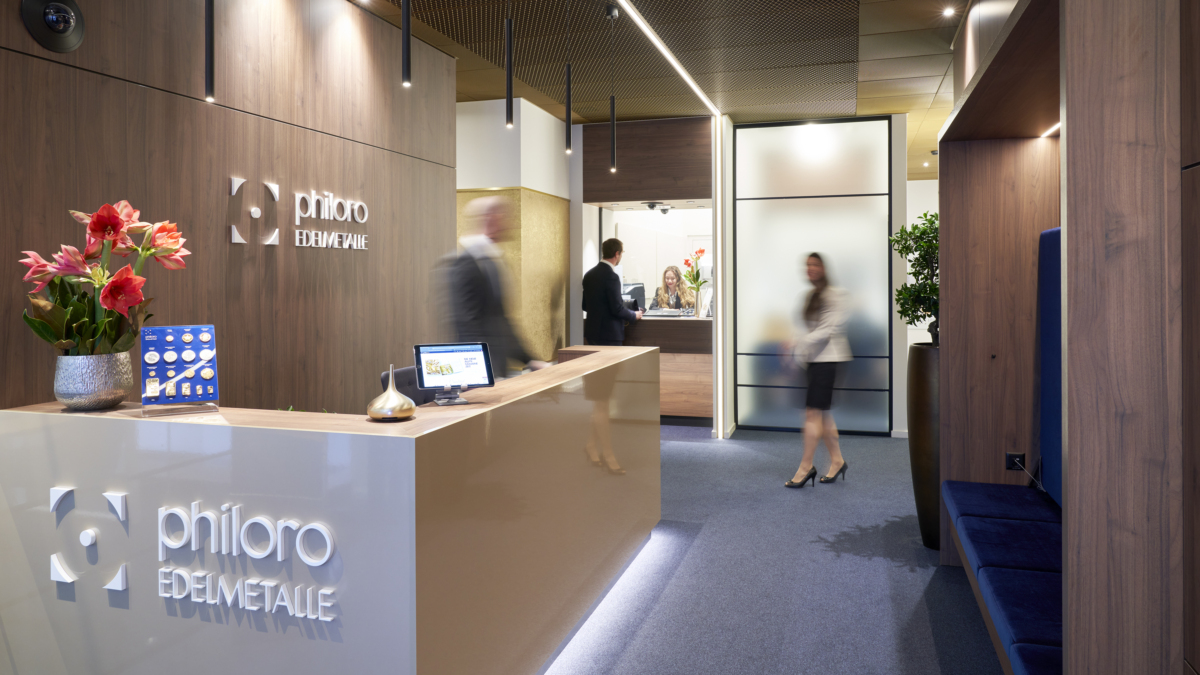
Philoro, a Swiss precious metals firm based in Wittenbach, has earned three accolades in this year’s independent ‘Swiss Industry Monitor’ study, securing quality seals in ‘Gold & Coins’ and ‘Gold Purchase’, along with a cross-industry recognition.
Philoro, a precious metals trading company based in Wittenbach, Switzerland, has been honored with three awards in this year’s independent study ‘Swiss Industry Monitor’. Philoro received quality seals in the categories ‘Gold & Coins’ and ‘Gold Purchase’, as well as a cross-industry recognition.
The successful Swiss precious metals dealer achieved the ‘1st Place Customer Satisfaction’ award in the ‘Industry Champion’ category for ‘Gold & Coins’. For the ‘Gold Purchase’ segment, Philoro again won the ‘1st Place Customer Service’ label. As a cross-industry recognition in the ‘Customer Champion’ category, the seal ‘Outstanding Customer Service’ was secured this year.

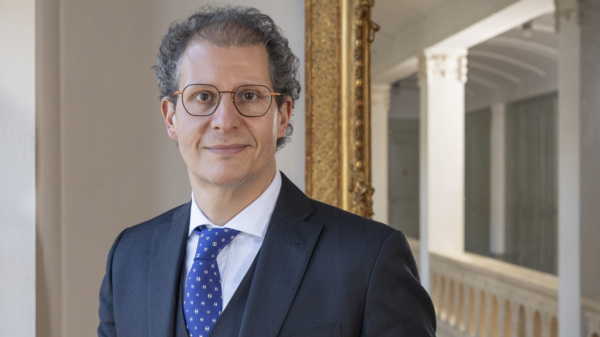
This is already the fifth consecutive year that Philoro has received multiple awards in the Industry Monitor. Christian Brenner, CEO of Philoro Switzerland, expressed his delight:
Brenner extended a big thank you to the entire Philoro team:
He noted that the awards are a motivation to consistently pursue the high quality standards in the future.
For this year’s independent study ‘Swiss Industry Monitor 2026’, a total of 343,171 customer reviews of 1,971 companies were collected from April to May 2026. The best providers in each of the 165 industries were awarded the ‘Industry Champion’ title. Across industries, the top 20 percent of companies were additionally identified, entitled to carry the ‘Customer Champion’ title. The Industry Monitor is conducted annually by the Swiss Institute for Quality Tests.
The Philoro brand stands for the highest quality standards. The company repeatedly demonstrates its service quality in various industry tests in the precious metals trade. Since its founding, Philoro has been named test winner over 100 times in Switzerland, Austria, and Germany, including by Focus Money and the ‘Industry Monitor’ of the Swiss Institute for Quality Tests.
Philoro offers a broad range of coins and bars made of gold, silver, platinum, and palladium, as well as modern numismatics with exclusive collector’s items and coins from renowned mints. Additionally, Philoro provides professional service and fair conditions for the testing and purchase of scrap gold, including jewelry, silverware, dental gold, coins, and bars.