Editor’s Note
**Editor’s Note:** This article highlights Didier Dubot’s latest summer collection, focusing on silver and brass earrings that align with the rising “Pinterest aesthetic” trend. The piece underscores how social media-driven natural styles are shaping jewelry preferences.
(Photo provided by Didier Dubot)
(Seoul = News1) Reporter Park Hye-yeon = Demi-fine jewelry brand Didier Dubot unveiled its ‘Pinterest Vibe’ jewelry styling on the 14th, leading with a lineup of earrings in silver and brass materials for this summer.
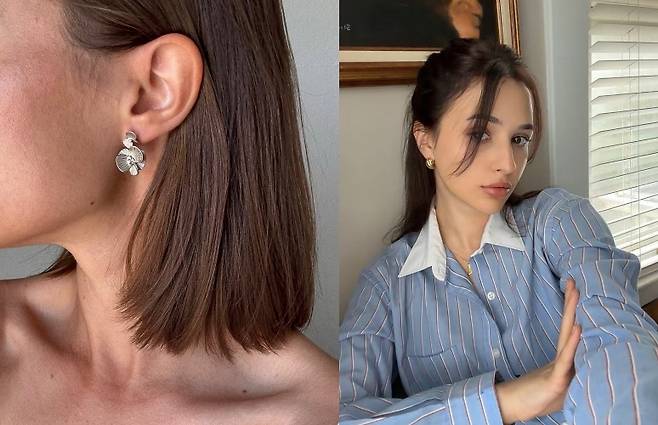
Recently, as the Pinterest aesthetic—meaning a natural mood—has become a fashion staple on social media, earrings worn by overseas influencers are emerging as essential items. In particular, silver and brass materials are gaining attention for their lightweight feel and relatively reasonable price points.
The representative product, the ‘Sensual Low Silver Earring,’ has been a steady seller for Didier Dubot since its launch last year. With a subtle shimmer and a voluminous silhouette, this one-touch type earring features a design that is not overly flashy, making it suitable for daily wear.
Another silver earring from the same line also features a design inspired by the curve of a water droplet, with a three-dimensional silhouette that wraps around the ear, adding a point of interest to minimalist styling.
The ‘La Didi’ collection is inspired by the brand’s signature motif, the poppy flower, with a three-dimensional expression of the petal texture. It is characterized by petal details that sway with movement.
The representative brass product, the ‘Selection D Earring,’ is characterized by its abundant volume. The two-tone ‘Selection D,’ which mixes white and yellow gold colors, enhances the completeness of a minimalist summer look with its unique design.
Didier Dubot, operated by the Saejung Group, continues to lead domestic jewelry trends with original styles such as asymmetrical earrings and ear cuffs, as well as various materials including colored lab-grown diamonds and Sensual Gold, maintaining annual sales growth.