Editor’s Note
Dolce&Gabbana returns to its roots, bringing Haute Couture back to Taormina, Sicily, where the Alta Moda journey began in 2012. This 2026 edition celebrates the brand’s creative heritage over four days, featuring High Jewelry, Women’s High Fashion, and Men’s High Tailoring in iconic local venues.
Dolce&Gabbana brings its Haute Couture back to the place where it all began. Taormina returns to be the heart of the fashion house’s creative story, once again choosing Sicily to celebrate one of the most exclusive events on the international luxury scene.
The return to the pearl of the Ionian Sea is not just a scenic choice, but also represents a reference to the roots of a project born right here in 2012. Since then, Alta Moda has become a traveling format capable of highlighting some of Italy’s most iconic locations, transforming each fashion show into a dialogue between artistic heritage, culture, and fine craftsmanship.
The 2026 edition will unfold over four days, with events dedicated to High Jewelry, Women’s High Fashion, and Men’s High Tailoring, involving iconic local locations such as the San Domenico Palace, the Radicepura Botanical Park, and the Ancient Theater of Taormina, before the final evening overlooking Isola Bella.
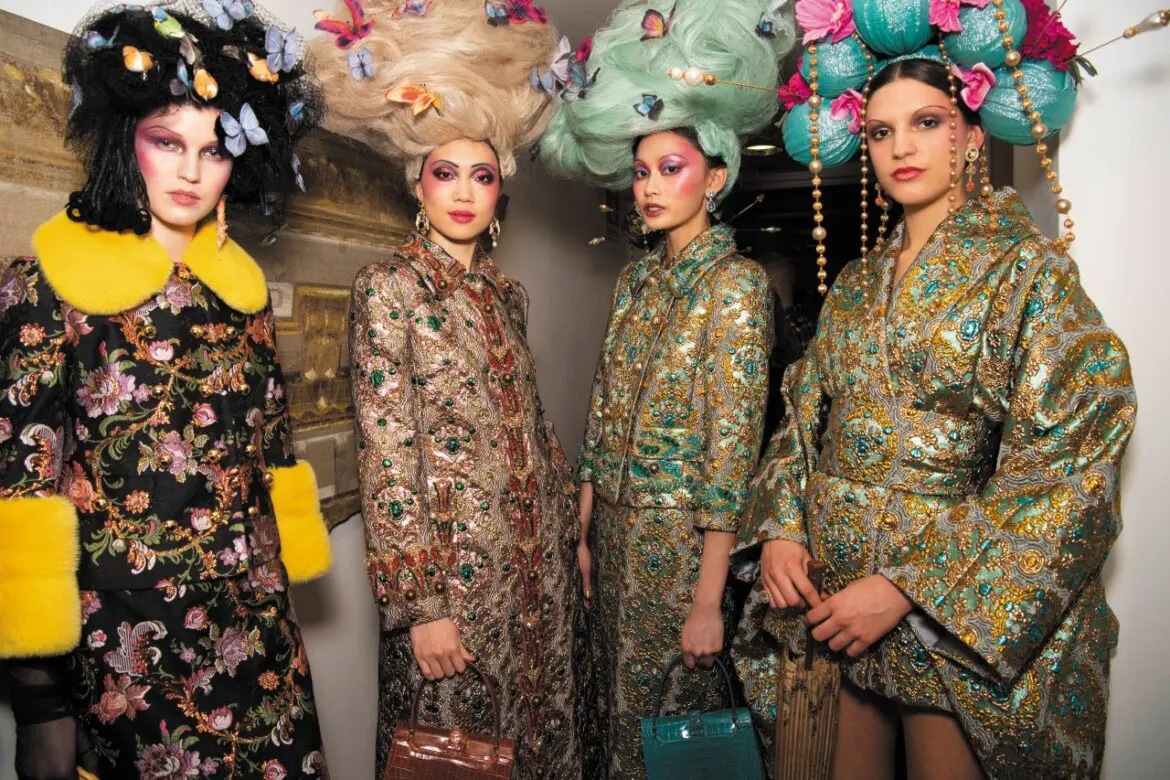
For the women’s collection, Domenico Dolce and Stefano Gabbana craft a narrative inspired by classical mythology and the profound connection between heaven and earth. Flowers, three-dimensional embroidery, lace, silk, and artisanal craftsmanship become the elements of a collection that evokes the Mediterranean landscape and the timeless imagery of Sicily. Each creation highlights the savoir-faire of Italian ateliers, confirming haute couture as an expression of artisanal excellence, even before it becomes a trend.
International guests also contribute to transforming Taormina into a world capital of luxury, with buyers, collectors, celebrities, and clients from every continent, confirming the event’s strong international appeal. The event also represents a significant opportunity to promote Sicily, combining high-end tourism, culture, and the promotion of local excellence.
The return to Taormina thus takes on a meaning that goes beyond fashion. It is a tribute to the origins of a project that over the years has built a unique identity in the international luxury scene, reaffirming the bond between Dolce&Gabbana and Sicily, which continues to be the maison’s primary source of inspiration.