Editor’s Note
This article reports on coordinated police raids in Gaya Ji’s Guria market, linked to a Jabalpur theft case.
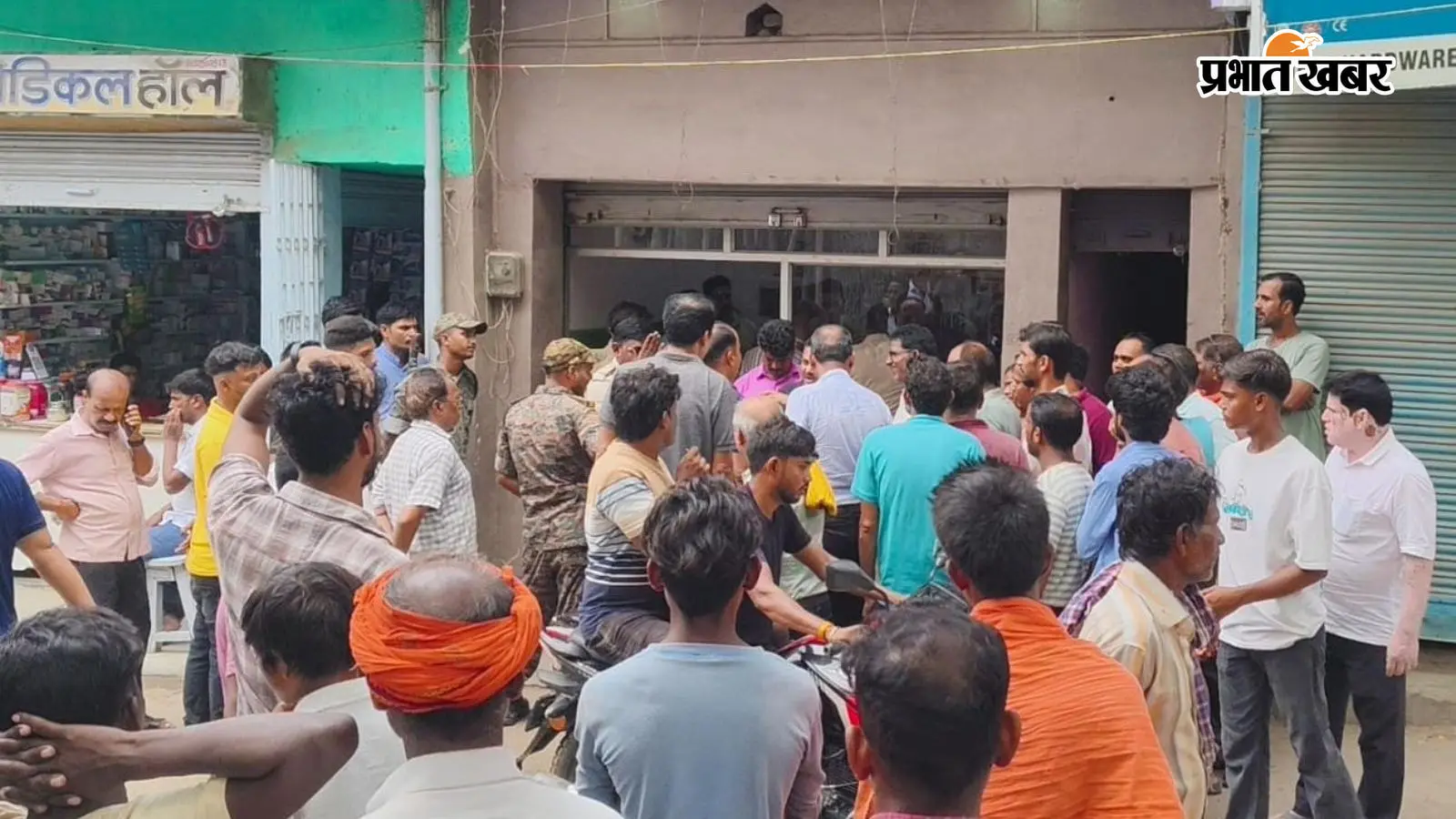
On Wednesday, the Madhya Pradesh Police, in coordination with the local Guria police, conducted sudden raids on two jewelry shops in the Guria market of Gaya Ji. The action was taken after leads connected the shops to a theft case in Jabalpur. The administrative operation caused a stir in the market area for a considerable time, drawing a large crowd of locals to the scene.
The joint police team meticulously inspected gold and silver ornaments, purchase and sale documents, and other essential records present in both shops. During the raid, the police team also conducted intensive questioning of a young man present in one of the shops.
According to police sources, the entire operation was carried out in connection with the investigation of a major theft incident in Jabalpur, Madhya Pradesh. It is reported that skilled thieves had stolen a large quantity of valuable gold ornaments from there. Using scientific and technical methods, the Madhya Pradesh police team traced the case to Guria, Bihar. During this investigation, two jewelry shops in the Guria market were specifically identified and subjected to a detailed search by the police.
According to sources, the police have taken some gold jewelry from one of the shops for further investigation. However, there has been no official confirmation of this yet. Following this major action, various discussions are ongoing among local jewelry traders. The police are examining every technical aspect of the case to fully uncover the entire network of buying and selling stolen ornaments.
Meanwhile, Guria police station in-charge Manesh Kumar stated that the Madhya Pradesh police team has come to Guria in connection with the investigation of a serious case, and the local police are providing full cooperation. He said: