Editor’s Note
**Editor’s Note:** Dana L’Or 9 Carati returns to Vicenzaoro this September with a renewed presence, building on last edition’s success. The brand invites retailers and industry professionals to Hall 1, Stand 144 to explore its expanding business vision.
From September 4 to 8, the brand will be at the Vicenza event, Hall 1 – Stand 144. After the success and significant attendance recorded in the previous edition, Dana L’Or 9 Carati renews its participation in the international jewelry event organized by IEG, with a new positioning, to welcome both the many retailers already part of the brand’s network and professionals interested in discovering the continuously growing business project launched by Danilo Cecere.
Thanks to the feedback received in recent months, the company will offer visitors the opportunity to better organize their visit to the fair by booking a dedicated appointment directly with the team through a special link.
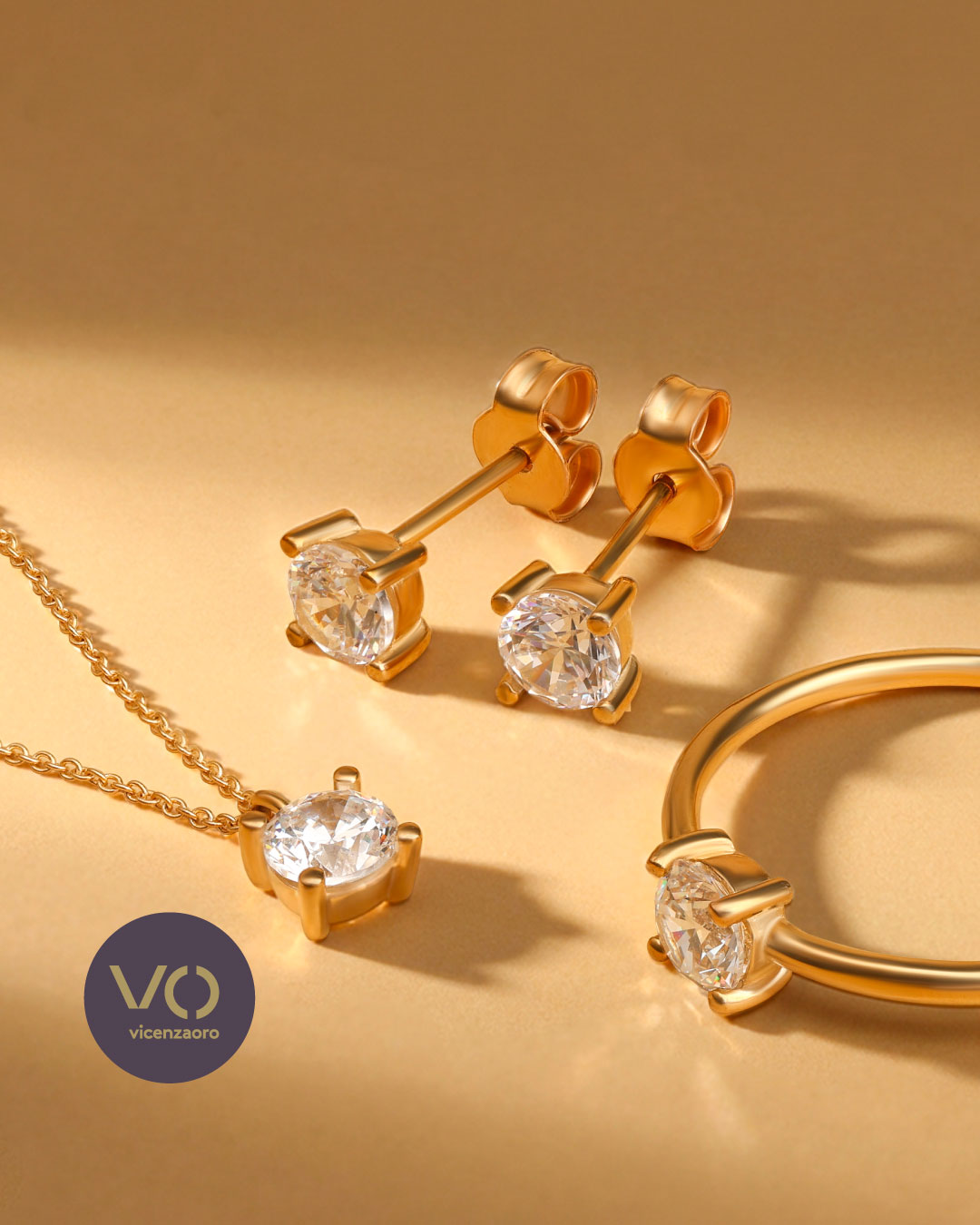
Among the main new features of the September 2026 edition is the Zirconia Collection, now one of Dana L’Or 9 Carati’s bestsellers, a line that has conquered the market thanks to its extraordinary versatility, capable of speaking to a diverse audience in terms of age, styles, and purchasing occasions. The strength of Dana L’Or 9 Carati lies precisely in offering jewelry designed for men, women, and children: creations ranging from gifts for ceremonies and special events to everyday jewelry. A comprehensive offering that makes luxury more accessible, thanks to competitive pricing that maintains the perceived value, material quality, and design care intact.
Alongside Zirconia and the other collections in the catalog, Dana has diversified with a dedicated offering for wedding bands, a category that continues to see high turnover and strong demand from end consumers. The goal is to offer retailers a continuous, complete, and high-performing assortment to capture additional and different targets.
