Editor’s Note
**Editor’s Note:** Gold demand in Asia is diverging sharply: Indian dealers are slashing prices to clear jewelry stock, while Chinese prices remain near spot despite fund outflows. This split highlights contrasting market dynamics across the region.
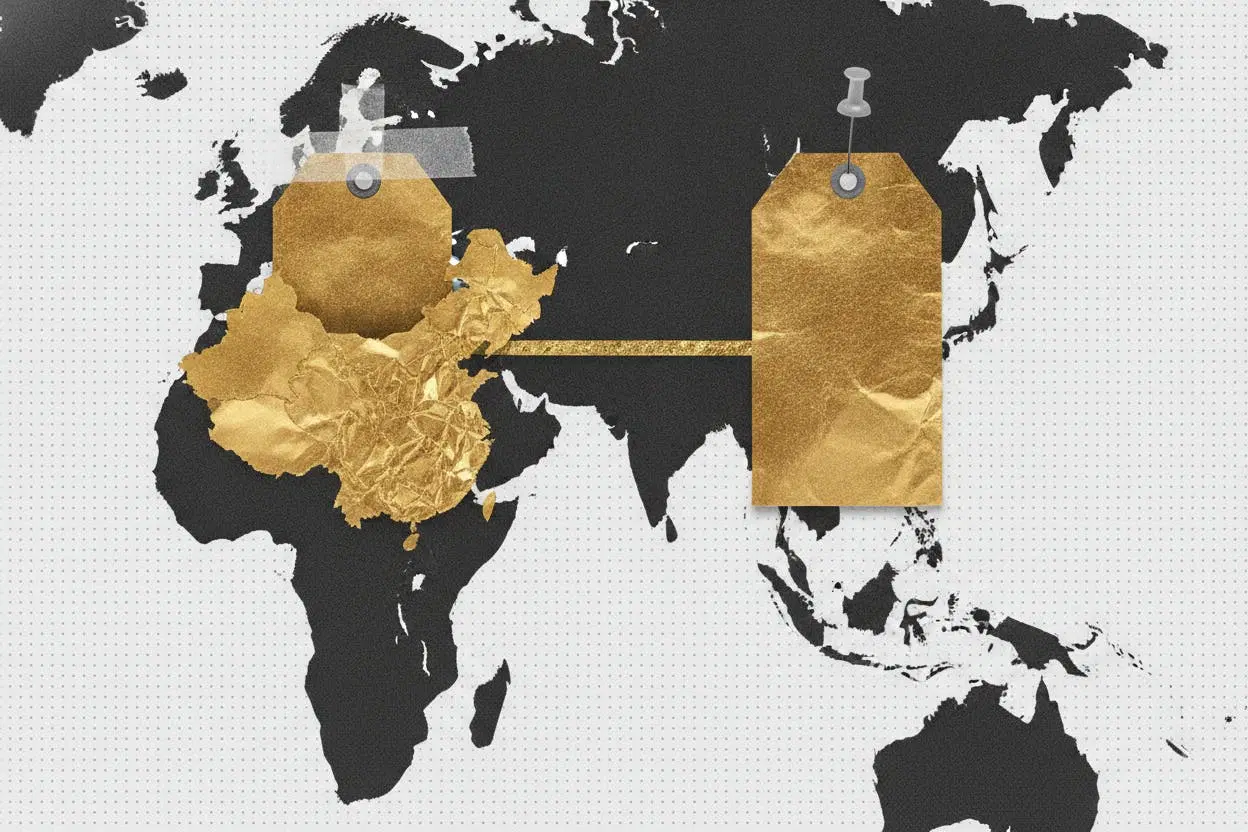
Gold demand in Asia is splitting: in India, dealers are offering steep discounts to move jewelry, while in China prices are holding near spot even as investment funds see money leave.
In India, dealers quoted discounts of as much as $45 an ounce to the official domestic price, up from about $19 the week before, according to Reuters. That official price bakes in a 15% import duty and a 3% sales levy, so a bigger discount usually signals sellers are cutting margins to clear inventory. Traders said shoppers are waiting for lower prices and jewelers are mostly recycling old pieces into new ones, which reduces the need to restock and can slow fresh imports. China’s market looked steadier: bullion traded around par to a $7 premium over global spot prices, even with exchange-traded funds (ETFs) seeing outflows and households staying cautious. Analysts also pointed to the People’s Bank of China continuing to add to its gold reserves, which can support wholesale demand even when retail buying cools.
Local premiums and discounts are a quick read on how tight real-world supply and demand is, because they affect whether dealers import more metal or try to run down stock. India’s wider discount suggests inventory is easier to sell only with price cuts, which often translates into fewer new orders and less import demand, removing a common source of support when global prices dip. China is sending a different message: holding near a $7 premium, alongside steady central-bank buying, can keep Asian wholesale demand firmer even if ETF investors are stepping back. Put together, it raises the odds that near-term gold moves are driven more by futures and macro news than by a broad-based surge in physical buying.