Editor’s Note
**Editor’s Note:** Forevermark Diamond Jewellery has opened its first store in Bengaluru, marking its entry into South India. The new boutique, located at Phoenix Mall of Asia, expands the brand’s Indian retail network to eight stores, with plans to reach 20 nationwide by year-end.
Forevermark Diamond Jewellery, the retail brand from De Beers Group, has expanded into South India with the opening of its first store in Bengaluru. Located at Phoenix Mall of Asia, the new boutique marks the brand’s entry into one of India’s key luxury consumption markets.
The Bengaluru launch takes Forevermark Diamond Jewellery’s retail network in India to eight stores. The company is targeting a network of 20 stores across the country by the end of 2026 as it continues to expand its presence in high-potential markets.
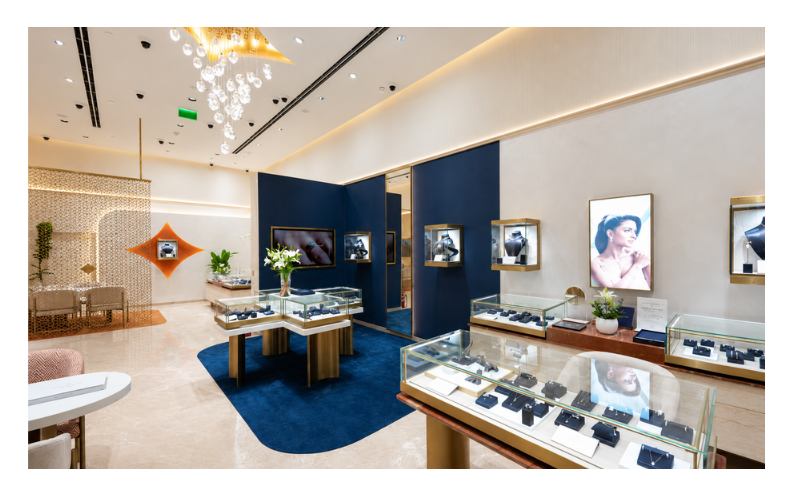
The new boutique offers Forevermark’s portfolio of natural diamond jewellery, including the Icon, Avaanti and Millemoi collections. Customers can also explore solitaire, bridal and high jewellery pieces.
Commenting on the launch, Mallikarjuna Reddy Yarabolu, Managing Director, Forevermark, De Beers India Pvt. Ltd., said,
The Bengaluru store reflects Forevermark’s focus on combining physical retail with digital tools and personalised shopping experiences. The expansion comes as luxury jewellery consumption continues to grow in India’s major urban markets, supported by rising purchasing power and increasing consumer interest in branded natural diamond jewellery.
With its entry into Bengaluru, Forevermark Diamond Jewellery has strengthened its presence in South India and added another key market to its growing retail network. The company plans to continue expanding its store presence across India as it works towards its target of 20 outlets by the end of 2026.
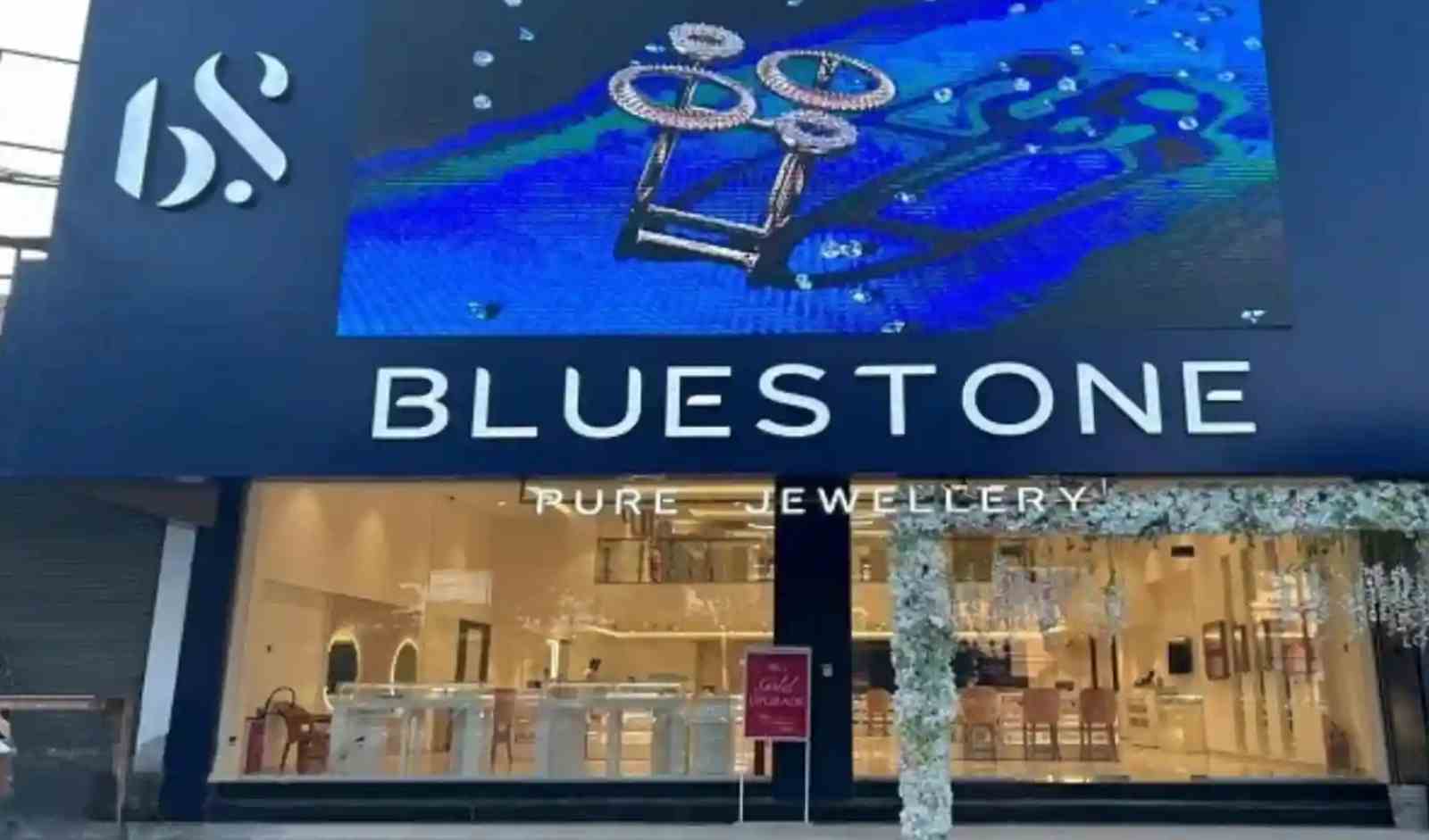
Omnichannel jewellery retailer BlueStone has outlined ambitious growth plans for the coming years, aiming to significantly scale its business through an expanded retail footprint and stronger customer engagement. The company is targeting annual revenue of ₹12,000 crore by FY30, driven by robust same-store sales performance and an aggressive store expansion strategy across India.
A key component of BlueStone’s strategy is the continued expansion of its physical retail presence. The company plans to increase its store count from 340 outlets across 134 cities and towns in FY26 to 706 stores by FY30. More than half of these locations are expected to be situated in Tier II and Tier III markets, highlighting the growing importance of smaller cities in India’s jewellery retail landscape.
The financial year FY26 marked a significant milestone for the jewellery retailer as it reported its first-ever profit after tax (PAT). The company posted a net profit of ₹26 crore compared to a loss of ₹219.2 crore in FY25. During the same period, operating revenue increased by 38 percent year-on-year to ₹2,441.2 crore, reflecting strong consumer demand and improved business performance.
With a growing omnichannel presence, increasing customer retention, and a strong push into emerging markets, BlueStone is positioning itself to capitalize on the rising demand for branded jewellery across India while strengthening its leadership in the organized jewellery retail segment.
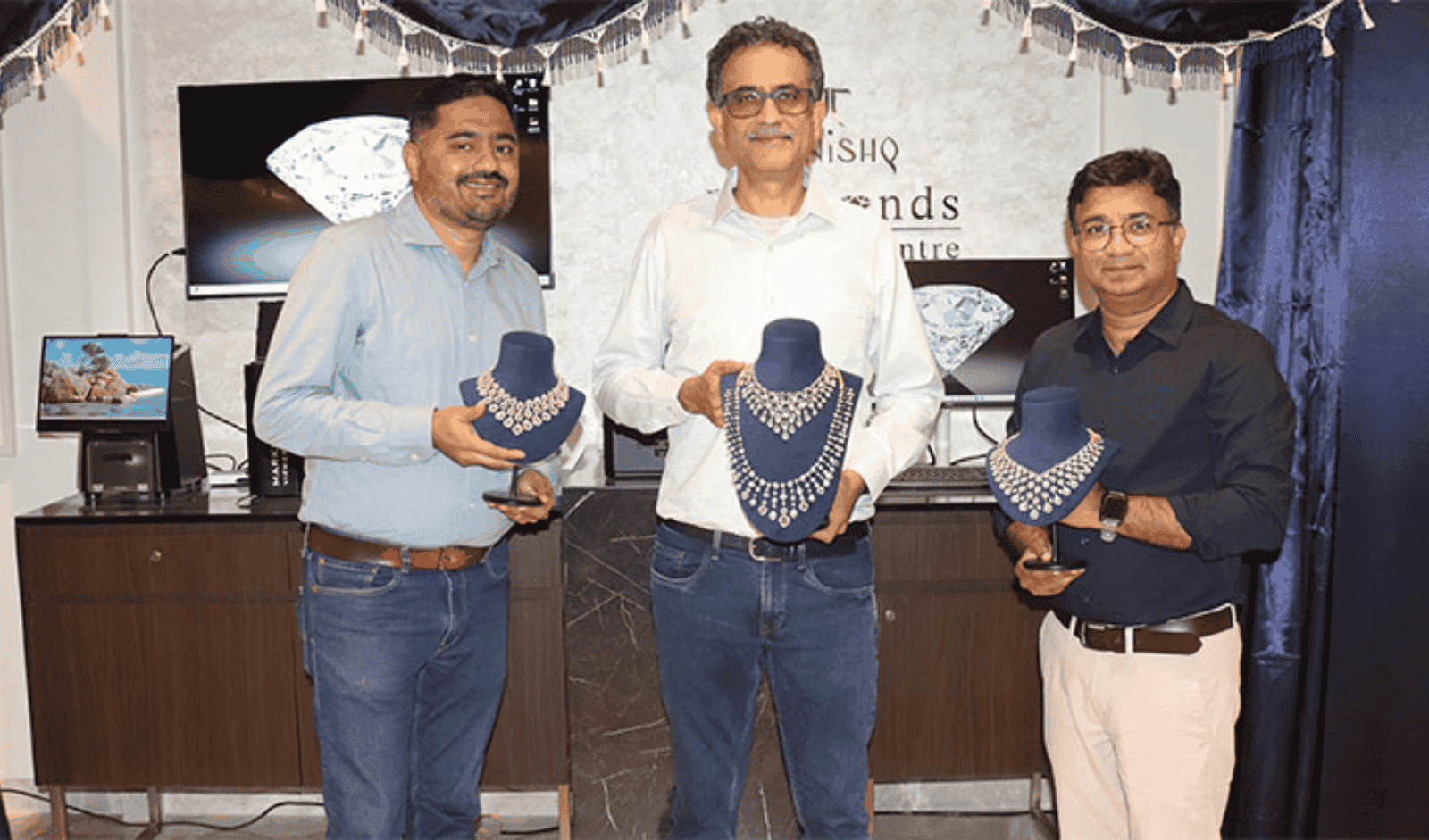
Leading jewellery retailer Tanishq has expanded its retail footprint in Tamil Nadu with the opening of a new store in West Tambaram, Chennai, reinforcing the brand’s growing presence in one of its key southern markets. Part of the Tata Group’s jewellery business under Titan Company Ltd, the launch marks Tanishq’s 66th store in Tamil Nadu and its 24th outlet in Chennai.
The newly opened showroom was inaugurated by Mr. Arun Narayan, CEO, Jewellery Division, Titan Company Ltd, along with Mr. Narasimhan Y L, Circle Business Head, Jewellery, TN & Kerala, in the presence of company officials and customers. To commemorate the launch, the brand announced a limited-period inaugural offer under which shoppers can receive a complimentary gold coin* on eligible purchases between May 1 and May 3, 2026.
Located at 257, GST Road, West Tambaram, Chennai, the new outlet spans approximately 8,000 square feet and has been designed to deliver a modern and immersive shopping experience. Reflecting Tanishq’s customer-centric retail philosophy, the store combines spacious interiors with contemporary aesthetics to create a premium jewellery retail environment.
The store features an extensive range of jewellery collections, including plain gold ornaments, diamond jewellery, solitaires, polki collections, and everyday wear designs. Customers can also explore specialised collections such as Anique jewellery and South Indian Glass Kundan designs. In addition, the outlet showcases the latest natural gemstones collection titled ‘Hues,’ catering to both traditional tastes and contemporary style preferences.