Editor’s Note
**Editor’s Note:** This article explores the origins and rise of Chrome Hearts, from its handmade leather beginnings in Hollywood to its status as a cultural icon embraced by celebrities and artists.
Chrome Hearts, headquartered in Hollywood, California, USA, was founded by Richard Stark and his wife Laurie Lynn Stark. The brand’s origin began with Richard crafting leather riding wear for himself by hand. As they continued creating items for family and close friends, Chrome Hearts cultivated a unique creative identity, establishing its current unshakable brand image. Over the years, it has garnered passionate support from numerous celebrities and artists, further strengthening its brand world. Beyond silver jewelry, Chrome Hearts has expanded its jewelry line to include diamonds, rubies, sapphires, and other gemstones requiring specialized techniques. Through exceptional design, quality pursuit, and artisan craftsmanship, the brand continues to grow its global fan base.
Ring
The flat top engraved with the brand icon CH Plus motif and the three-dimensional form draw the eye. Its charm lies in a masculine yet refined presence that beautifully highlights the hand.
A single ring defines the impression
The distinctive shading of Chrome Hearts silver jewelry adds depth to styling, making a statement even when worn alone. It coolly tightens a clean summer look of T-shirt and denim pants.
— Stylist YAMAZAKI
Bracelet
The chain part is inspired by the chain-type cords used for opening and closing windows in 1920s-30s America. Each chain subtly features a cross-tail motif, breathing delicate expression into a powerful presence.
Lightweight comfort for daily wear

Despite its voluminous design, it is lightweight and makes you want to wear it every day. Its perfect balance—not too strong, not too subtle—adds just the right accent to styling.
— Stylist YAMAZAKI
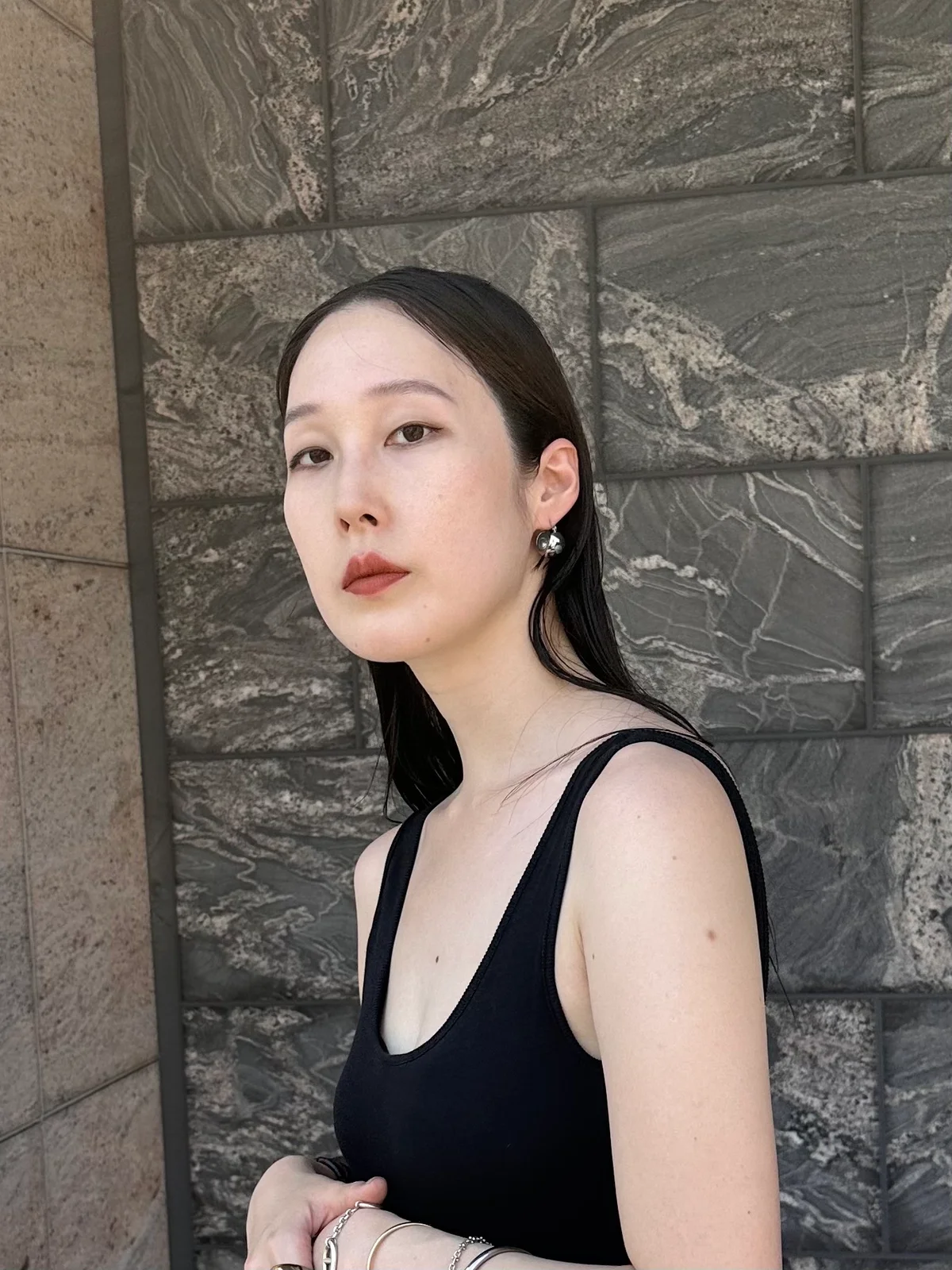
Single Earring
A hoop earring crafted with meticulous CH Plus motifs, exuding craftsmanship. Though small, it concentrates Chrome Hearts’ essence. The brand name is subtly engraved inside, peeking out at unexpected moments.
Adding expressive richness to the ear
With motifs arranged across the entire hoop, the beauty of the form stands out from any angle.
— Stylist YAMAZAKI
Single Earring
A single earring combining the brand’s symbols: BS Flare motif, CH Plus motif, and Star motif. Three motifs connected by a delicate chain create a dignified profile.
Swinging motifs enhance a dramatic mood

This drop-type earring, swaying with movement, suits glamorous occasions. The silver shading carved into the motifs is a beautiful detail.
— Stylist YAMAZAKI
Charm with Ball Chain
An angel medal charm featuring an angel supporting the dagger motif, one of Chrome Hearts’ iconic symbols. This classic, somewhat sacred piece is perfect as a “talisman jewelry” for daily wear.
Timeless appeal
With a unisex, sophisticated design, it’s also recommended for sharing with a partner!
— Stylist YAMAZAKI
Chrome Hearts silver jewelry, with its handcrafted delicate designs, adds distinct individuality to any outfit. The aging process, which deepens in character with use, is also part of its charm, evolving alongside the wearer’s life.
Chrome Hearts Tokyo: 03-5766-1081
Stylist: Shizuka Yamazaki

Independent since 2021, currently active in magazine, web media, and advertising styling. Since winter 2022, also directs the fashion brand “YAE.” “This was my first time wearing Chrome Hearts silver jewelry, and I was amazed by the intricate, decorative design. I’m particularly drawn to the large bracelet, perfect for summer when outfits tend to be simple.”