Editor’s Note
**Editor’s Note:** This article explores a generational shift in attitudes toward gold, as younger consumers increasingly favor investment over adornment, leading to the first major drop in jewelry demand in over two decades.
New Generation Loses Interest in Gold Jewelry, Investment Rises but Purchases Decline
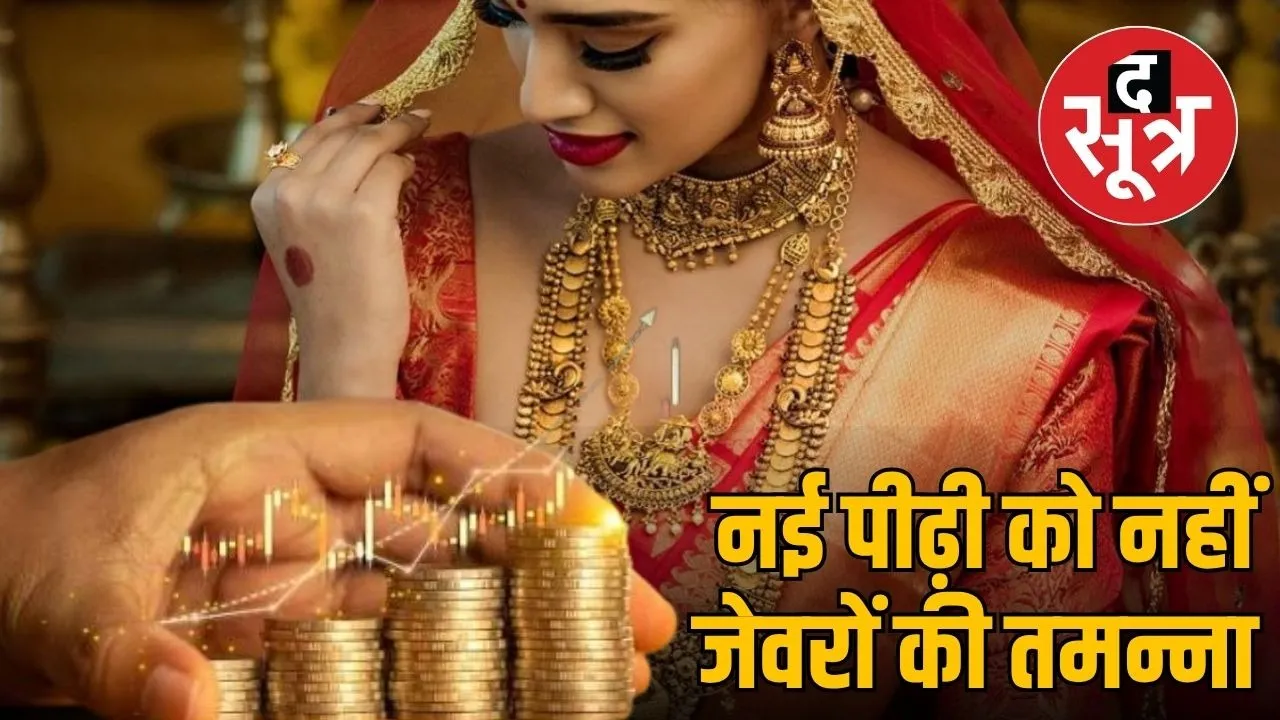
Gen Z is viewing everything through a new lens. They are making decisions that differ from traditional customs. This impact is also visible in gold jewelry purchases. For the first time in 26 years, there has been a significant decline in demand for gold ornaments.
Gold has always held special significance in Indian households. People consider gold like a family member. In contrast, this culture is now gradually changing. The new generation is prioritizing investment in gold over gold jewelry. For the first time in 26 years, the younger generation’s interest in buying gold jewelry has decreased, while demand for gold as an investment has increased.
Gold jewelry in Indian homes is traditionally considered ‘Streedhan’ (women’s wealth) and an emergency fund. However, the younger generation now views it as a dead investment. This is why the demand for gold jewelry is declining in the country.
According to the World Gold Council, in the first quarter of this year, demand for gold as an investment rose by 54% to 82 tonnes. Meanwhile, demand for jewelry fell by 19% to 66 tonnes.
Earlier, large quantities of gold jewelry were purchased for weddings and other special occasions, from brides to grooms. But now, young people are preferring lightweight jewelry, gold coins, and gold ETFs.
According to a World Gold Council consumer survey, women aged 18 to 24 believe that traditional jewelry does not match their lifestyle. They prefer lightweight designs or investment options.
According to a World Gold Council report, the amount of recycled gold was 78 tonnes in 2011, which increased to approximately 140 tonnes in 2025.
Purchasing gold jewelry involves paying a making charge of 10 to 25 percent. This amount is not recovered when selling the jewelry. In comparison, gold bars, coins, and gold ETFs are considered easier to buy and sell.
Gold jewelry requires a bank locker for security, which incurs an annual rental fee. Currently, the trend of buying new jewelry in exchange for old gold is increasing. People are exchanging heavy ornaments for lighter jewelry. This is changing customer preferences in the jewelry market.
According to experts, Gen Z and Millennials no longer view gold merely as an asset to be kept in a locker. They see it as a liquid investment. Over the past two decades, the inclination of young people has shifted towards investment options such as equities, mutual funds, the stock market, gold and silver ETFs, startups, and real estate, in addition to gold.
A. Yes, the trend among the new generation is increasingly towards buying gold as an investment rather than traditional gold jewelry. Young people now prefer options like gold ETFs, coins, and bars over heavy ornaments.
A. The decline in demand for gold jewelry is attributed to changing lifestyles, making charges, security concerns, and the availability of new investment options.
A. According to the World Gold Council, demand for gold as an investment increased by 54% to 82 tonnes in the first quarter of this year.
A. Typically, a making charge of 10 to 25 percent is paid when purchasing gold jewelry. This amount is not recovered when selling the jewelry.
A. Besides gold, the new generation is showing interest in investment options such as equities, mutual funds, the stock market, gold ETFs, silver ETFs, startups, and real estate.