Editor’s Note
**Editor’s Note:** This article confirms that low-key jewellery is the latest trend to elevate everyday staples like T-shirts, dresses, and blouses. Fashion editor Natalie Munro shares her expert insight on why this subtle style is worth the investment.
By Natalie Munro
Published 19 July 2026
I’ve been in the fashion industry long enough to know that jewellery trends move just as quickly as the rest. One minute, it’s pendant necklaces swinging from every fashion person’s clavicle, the next, they’ve been usurped by bubblegum-inspired designs. That’s why it’s well worth being discerning about which jewellery trends you invest in. So, having watched countless trends come and go, I’ve also honed in on a select few that have stood the test of time. My favourite among them? The T-bar necklace.
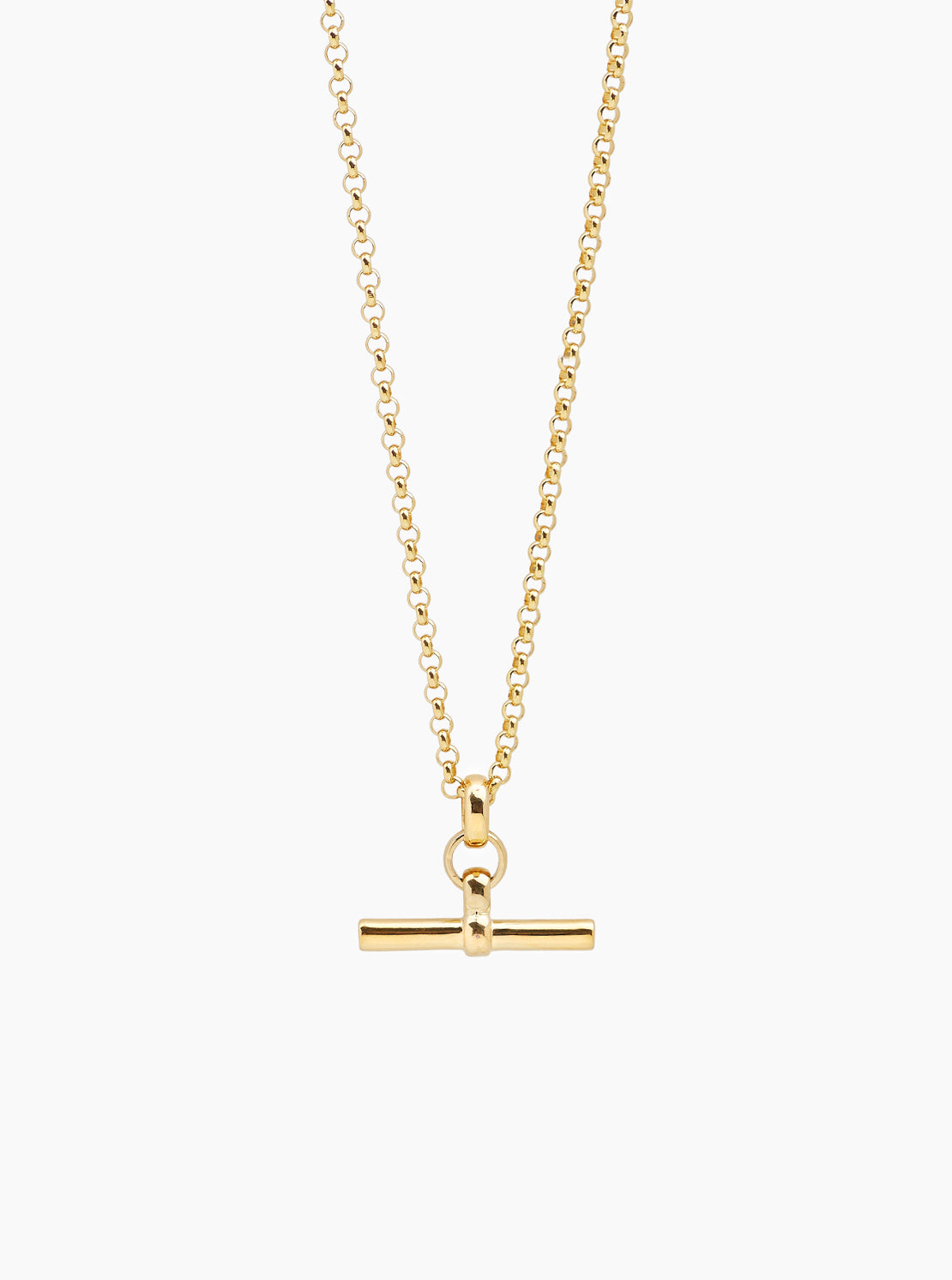
Simple in design, the T-bar necklace is defined by the sleek T-shaped pendant suspended from a chain. Worn alone, it offers a refined focal point that lends simple outfits a polished finish, but what I love most about the design is how well it layers, be it with delicate chains or chunkier styles.

As timeless as it is, the classic piece is also enjoying a fresh wave of popularity. Jewellery brand Missoma saw a 867% increase in demand for their best-selling Chunky T-Bar Chain Necklace (£198), following Andy Sachs styling in The Devil Wears Prada 2.
Always willing to invest in jewellery with real staying power, scroll on to shop my edit of the best T-bar necklaces below.
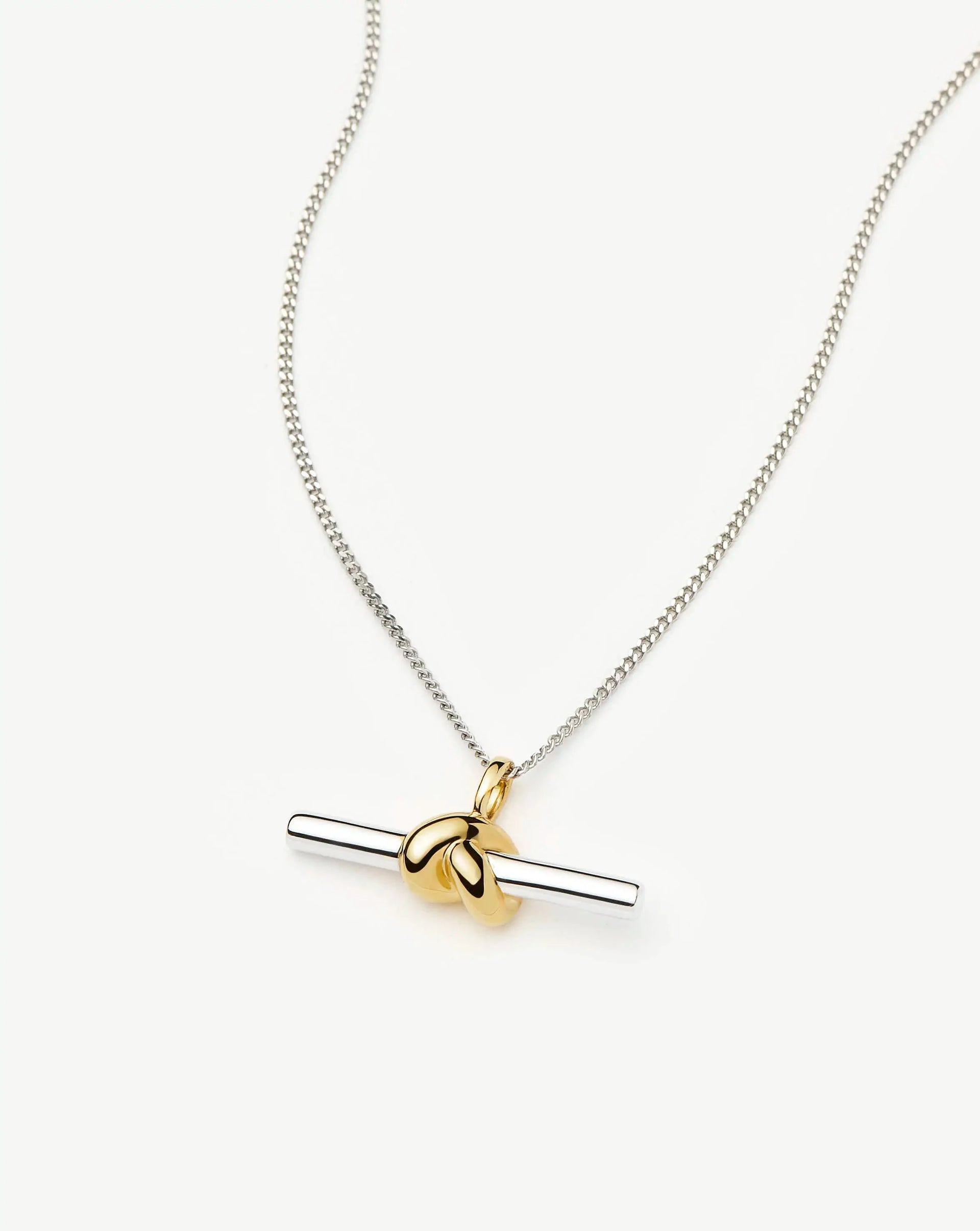
– Missoma: Lucy Williams T-Bar Knot Pendant Necklace, £149
– Tilly Sveaas: Small Gold T-Bar on Belcher Chain, £140
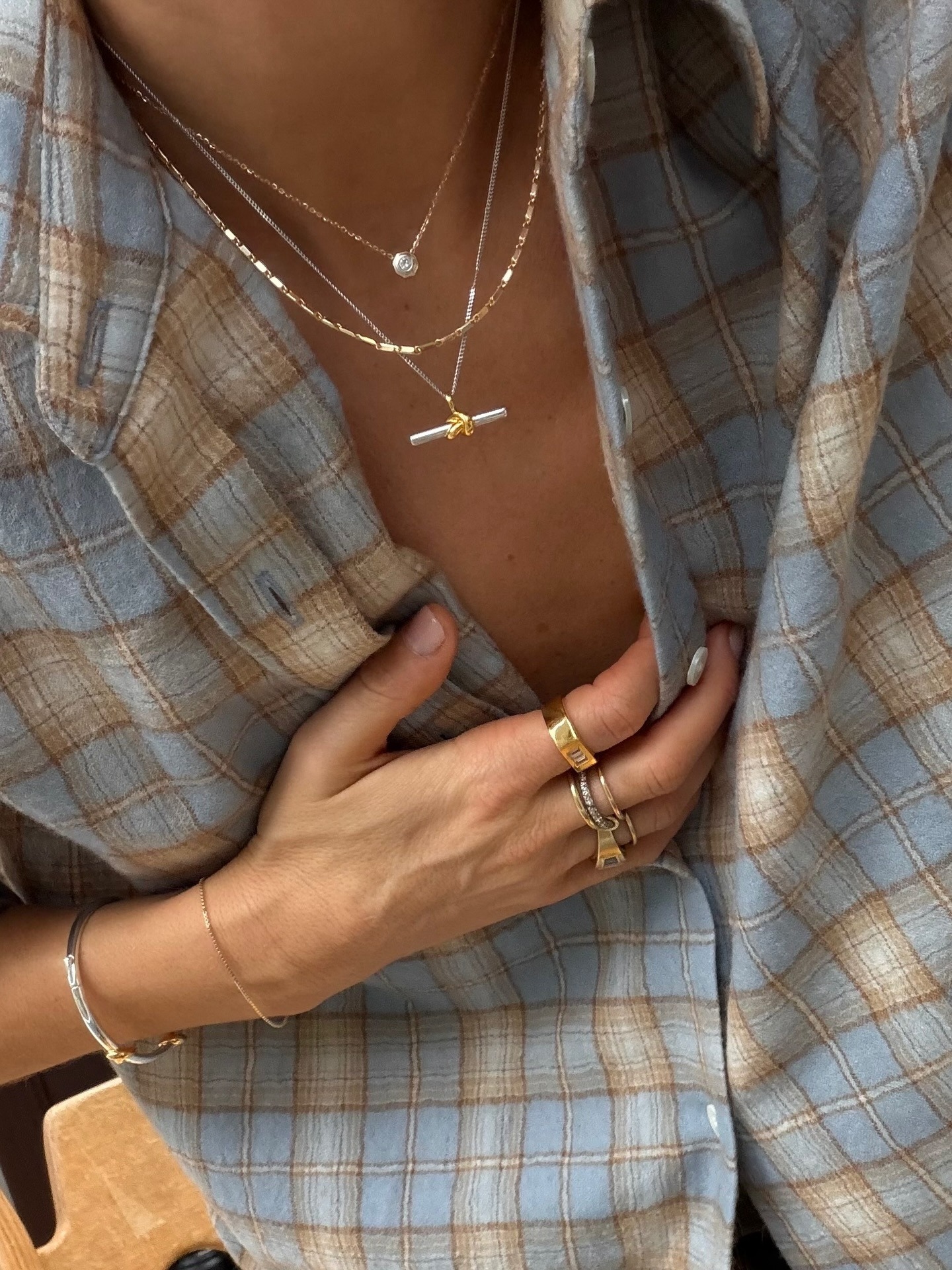
– Astrid & Miyu: Hardware T-Bar Pendant Necklace, £115
– Carrie Elizabeth: T Bar Chain Necklace, £165
– Daisy London: Amulet T Bar Necklace 18ct Gold Plate, £199
– Katie Loxton: Gold Plated T-Bar Waterproof Necklace, £27
– Otiumberg: Small Love Link Necklace, £265
Explore More: Necklaces
Natalie Munro is Who What Wear UK’s news writer and has worked in the fashion industry since she graduated with a degree in Journalism from the University of the Arts London. Natalie’s experience in the industry spans journalistic and styling roles that have seen her work for publications including British Vogue, Conde Nast Traveller, Vogue Ukraine, AnOther Magazine and Elle UK. With an interest in uncovering the latest fashion trends, Natalie takes a leading role in identifying news for Who What Wear UK. Reporting on a daily basis, Natalie focuses on trends on and off the runway, as well as street style and celebrity fashion. Natalie also creates content for Who What Wear’s social channels including TikTok and Instagram on a weekly basis.