Editor’s Note
**Editor’s Note:** This article explores Bulgari’s Eclettica high jewellery collection, featuring over 150 unique pieces that blend art, architecture, and Roman heritage.
Bulgari’s Eclettica high jewellery collection comprises more than 150 one-of-a-kind creations. Photo: Eva Wang
The Italian house’s high jewellery collection fuses art, architecture and Roman heritage into bold and expressive designs
High jewellery has never been just about exceptional gemstones. Increasingly, the world’s leading maisons are looking beyond rarity and craftsmanship, turning to art, architecture and culture as sources of inspiration. The result is jewellery that does more than showcase precious stones – it reflects ideas, emotions and creative expression.
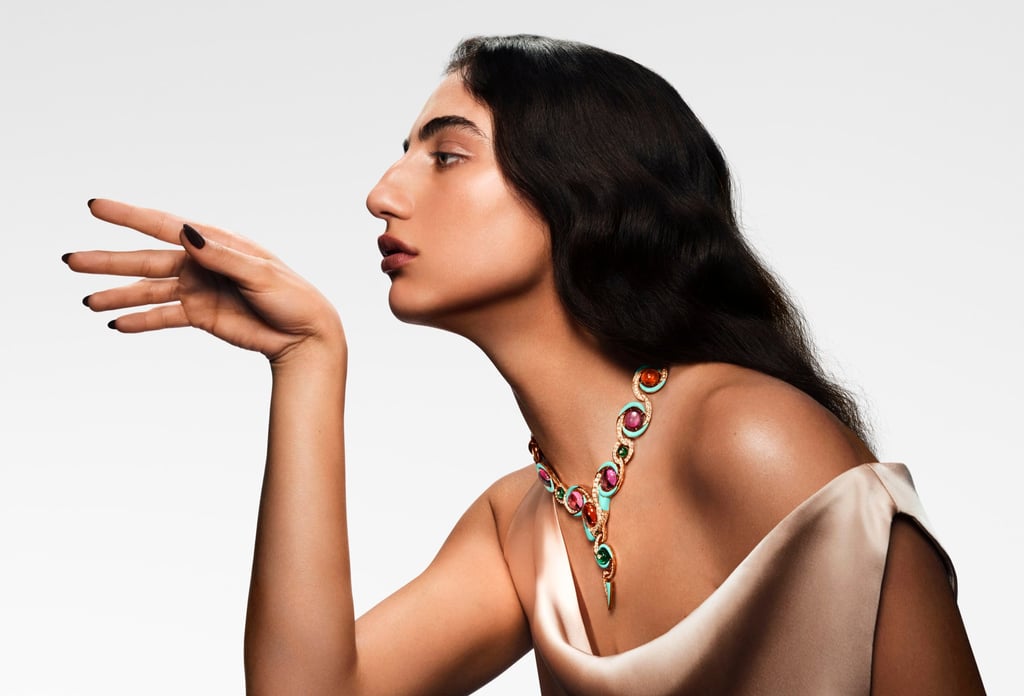
The Serpenti necklace features turquoise elements, oval cabochon mandarin garnets, pink tourmalines and rubellites interspersed with emerald beads. Photo: Handout
That intersection of art and jewellery lies at the heart of Eclettica, Bulgari’s latest high jewellery collection. Comprising more than 150 one-of-a-kind creations, it explores the many ways different artistic disciplines can shape design – borrowing from sculpture, painting and architecture to create pieces that are bold, expressive and unmistakably Roman. Rather than adhering to a single aesthetic, the collection embraces contrast, pairing geometric forms with fluid movement, vibrant gemstones with graphic black onyx, and centuries-old influences with contemporary craftsmanship.
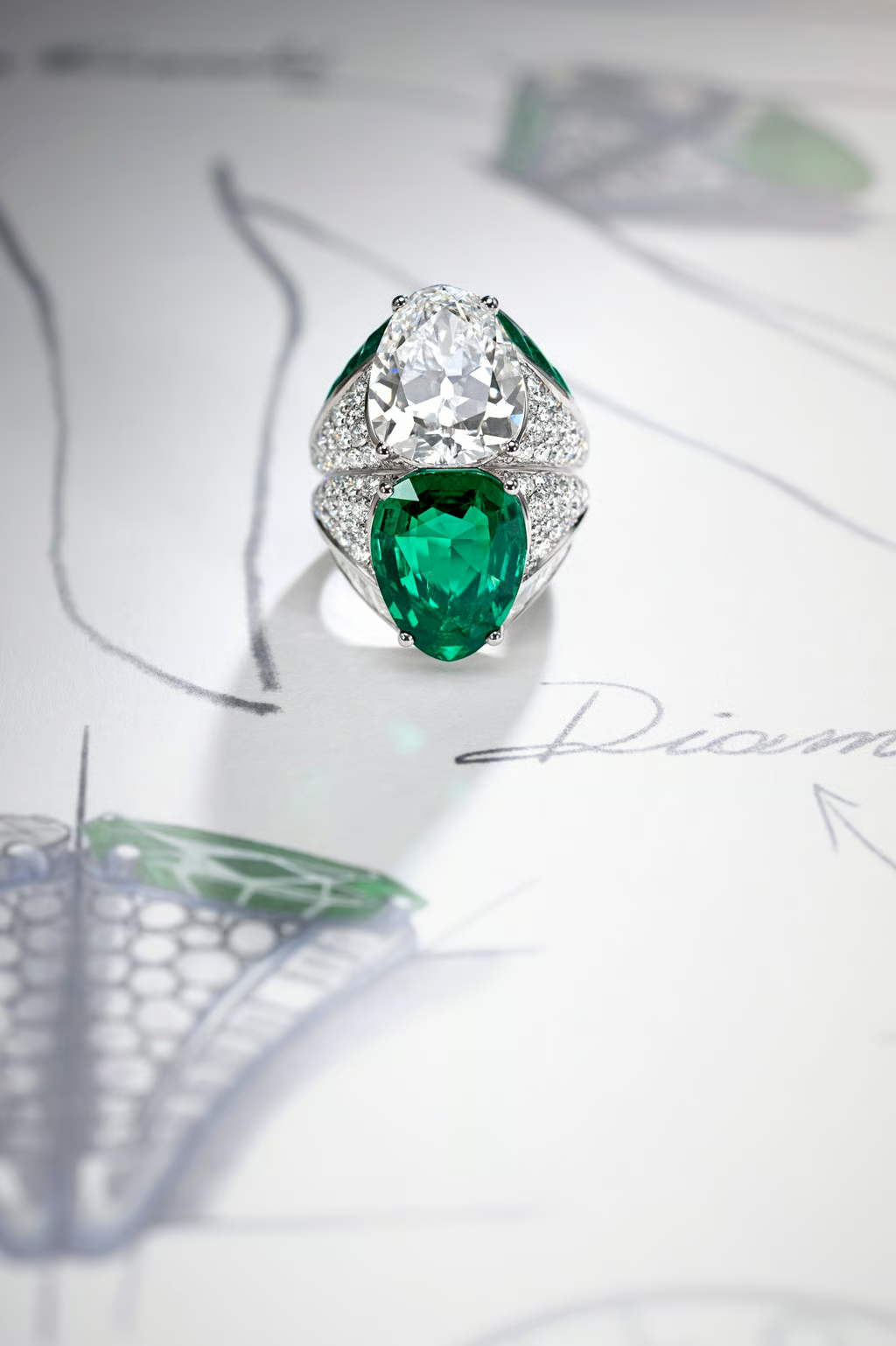
A ring from Bulgari’s Eclettica high jewellery collection. Photo: Handout
Rome, the city where Bulgari was founded more than 140 years ago, remains the collection’s greatest muse. Like the Eternal City itself, where classical monuments coexist with contemporary life, Eclettica layers different artistic influences into a single visual language. Architectural symmetry, painterly colour palettes and sculptural silhouettes come together in jewellery that feels both dramatic and effortlessly wearable.
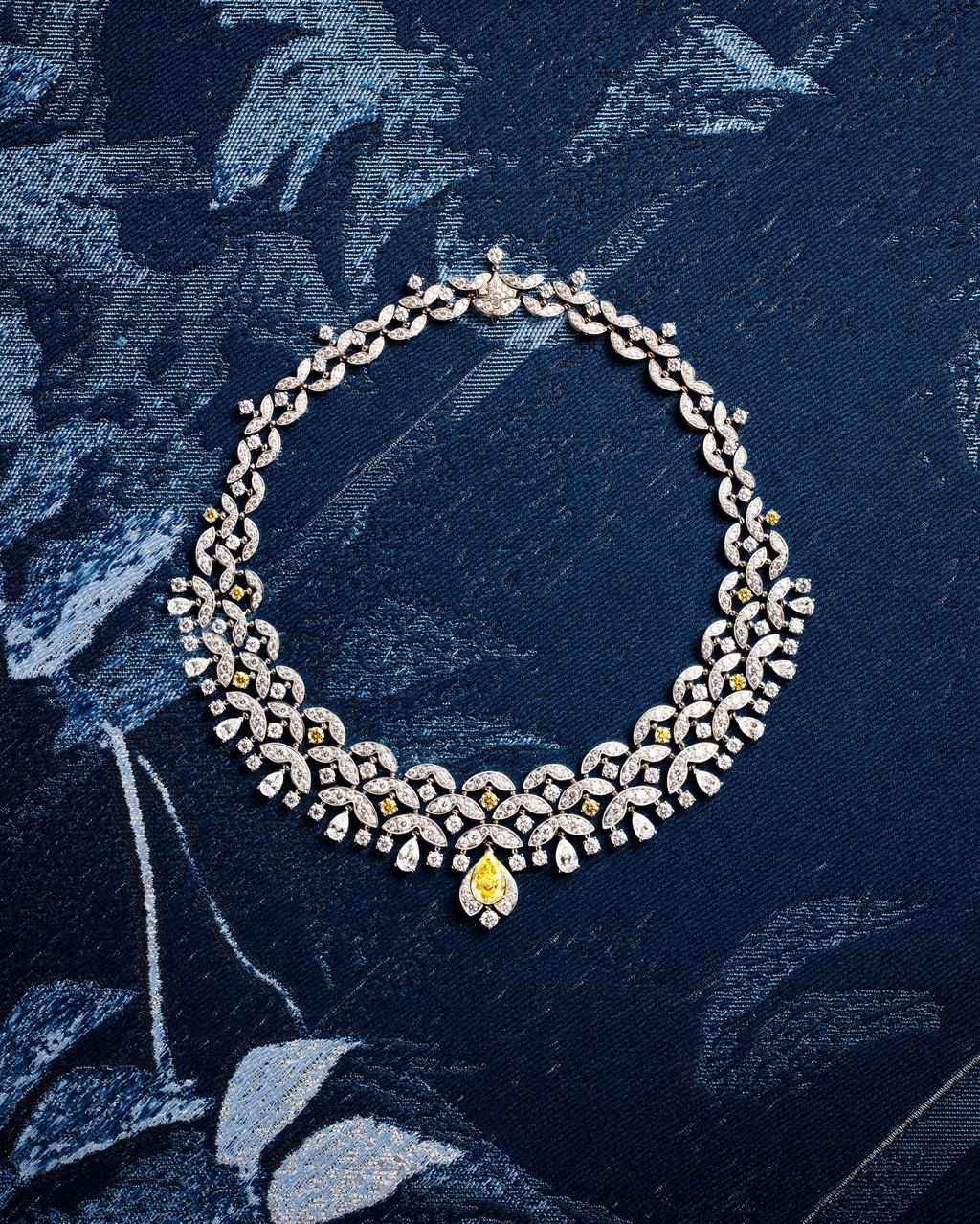
A necklace from Bulgari’s Eclettica high jewellery collection. Photo: Handout
At the heart of the collection are nine exceptional Capolavori, or masterpieces, each built around extraordinary gemstones. The Secret Garden necklace showcases a rare 26.65-carat Padparadscha sapphire, surrounded by emeralds, purple sapphires and diamonds in a composition that recalls the rich brushstrokes of a painting. The transformable Seres Scarf necklace, meanwhile, mimics the drape of silk through an intricate construction of more than a thousand articulated elements, centred on a remarkable 31.90-carat sugarloaf sapphire.
The Serpenti Illusio necklace creates an optical illusion. Photo: Handout
Bulgari’s iconic Serpenti motif also evolves throughout the collection. The Serpenti Illusio necklace uses negative space to reveal the serpent’s silhouette almost as an optical illusion, while the Serpenti Imperial Heart necklace is crowned by a magnificent 30.75-carat Golconda-type diamond, believed to have once belonged to an Indian maharaja. Despite their scale and complexity, many of the creations move with remarkable fluidity, demonstrating that engineering is just as important as aesthetics in contemporary high jewellery.
The Secret Garden necklace showcases a rare Padparadscha sapphire. Photo: Handout