Editor’s Note
**Editor’s Note:** This article explores the evolution of the ‘Laurence Graff Signature’ chain link, highlighting how Graff’s latest campaign reimagines geometric silhouettes and interlocking angular links to honor founder Laurence Graff’s legacy while embracing modern high jewelry trends.
Geometric silhouettes formed by interlocking angular links take center stage in the latest high jewelry campaign. The high jewelry industry has recently seen a wave of modern reinterpretations of the chain link motif, and British high jeweler Graff has joined this trend by unveiling a new campaign for its ‘Laurence Graff Signature’ collection, which embodies the legacy and philosophy of founder Laurence Graff.
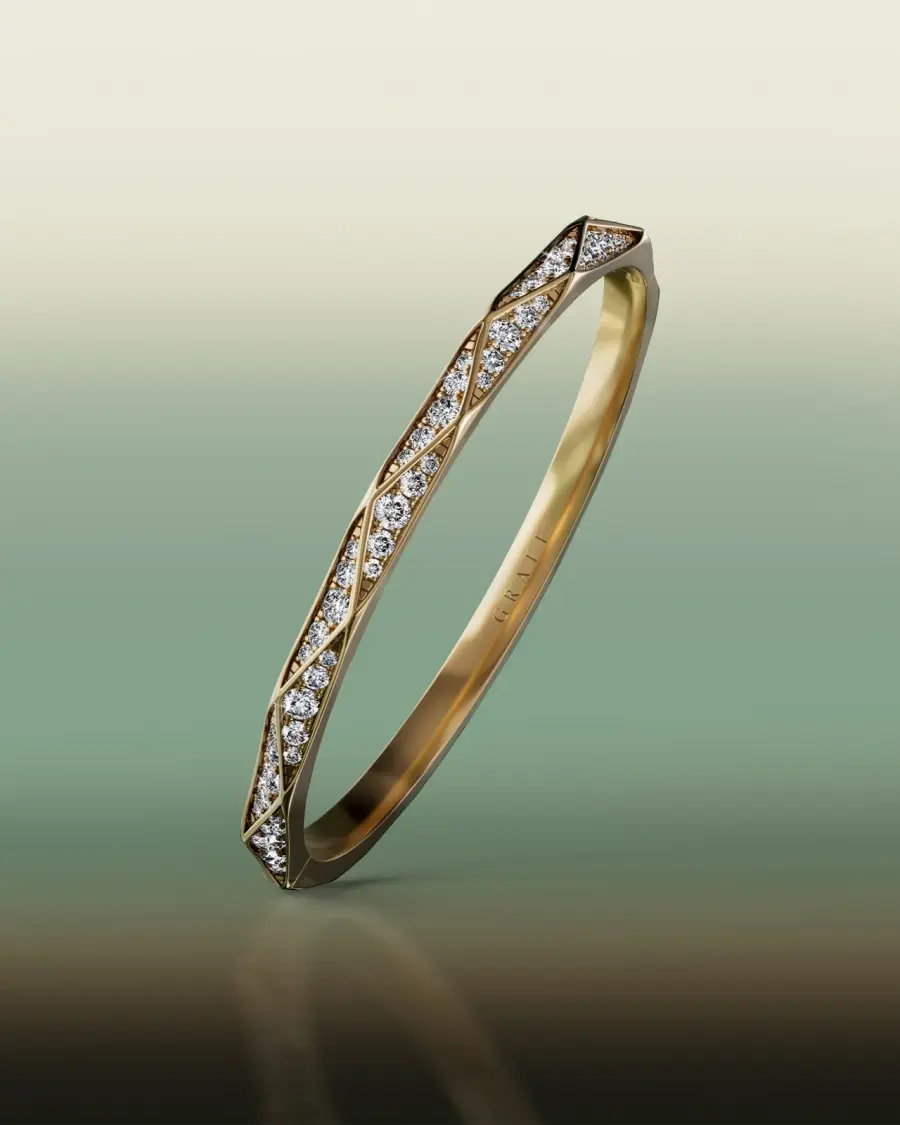
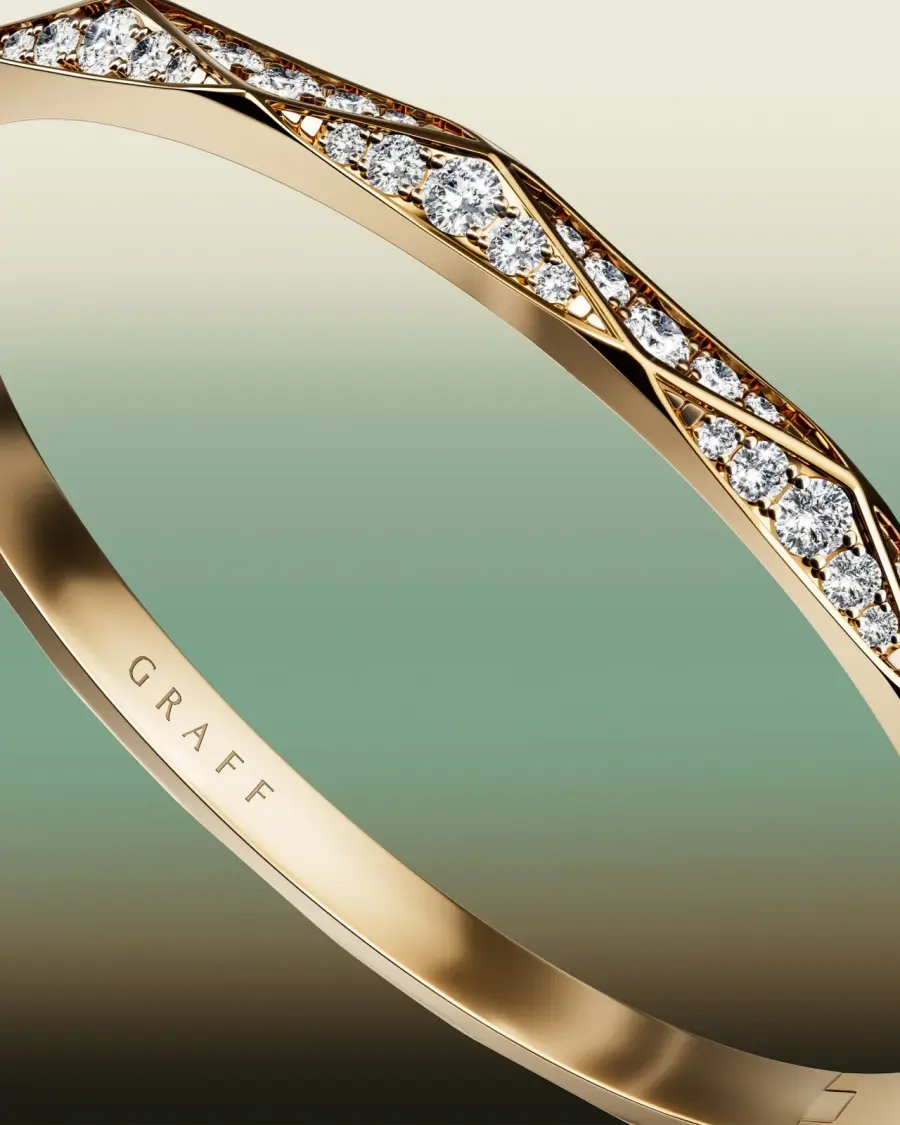
The Laurence Graff Signature collection reinterprets the precise, geometric beauty of diamonds in white gold, yellow gold, and rose gold. The newly introduced chain link design in this campaign features a structure of meticulously interlocking links, with the iconic signature motif now enhanced with greater volume and a more pronounced three-dimensional effect. The setting technique, which highlights the brilliance of the diamonds and the sculptural silhouette, hints at the meticulous craftsmanship involved.
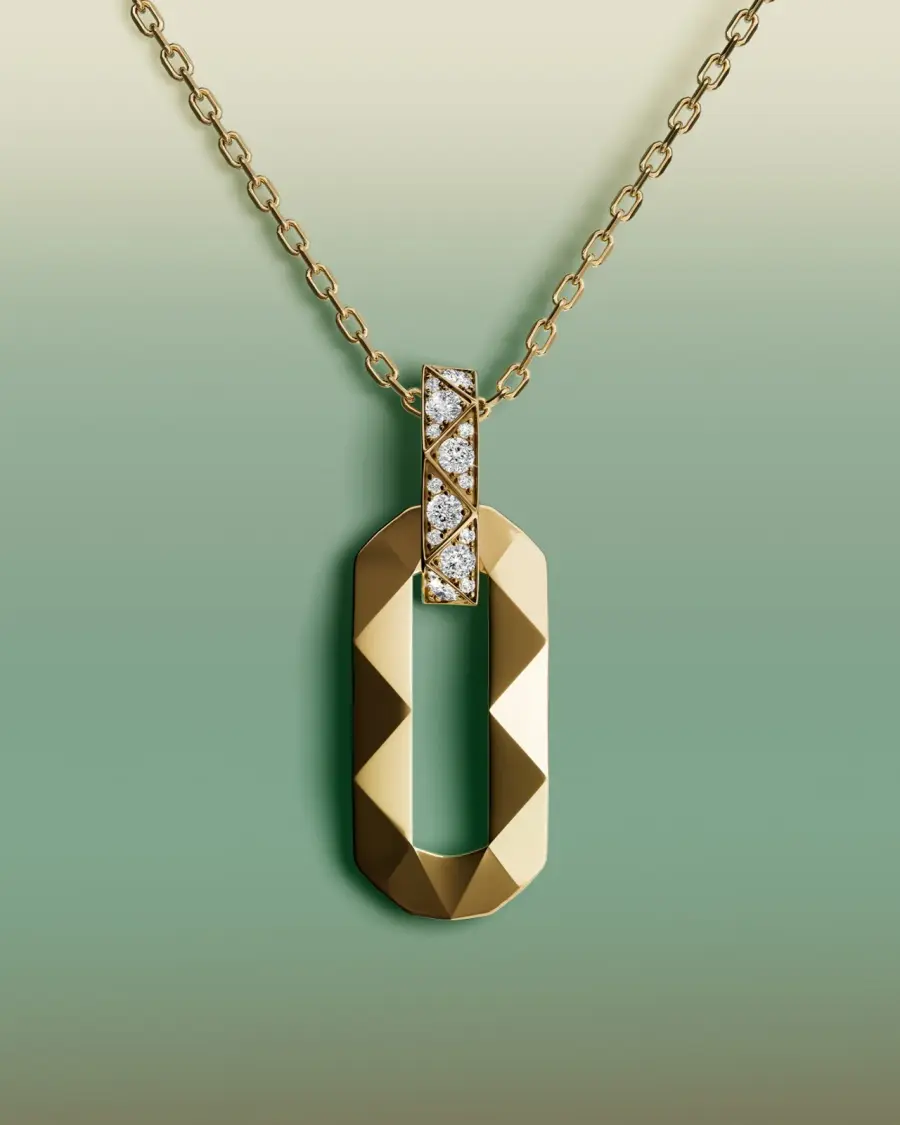
Bold gold bangles or chain necklaces create a striking contrast when paired with casual items like neutral-toned knits or denim, rather than with glamorous evening wear. Their presence is more pronounced when used as a statement piece for everyday attire. For those with slender wrists or a shorter neck, a single thick bangle or a short pendant necklace can effectively balance the overall look. Focusing attention on one piece, rather than layering multiple items, helps complement the body shape.
Recently, high jewelry brands have been expanding their lines to include pieces suitable for daily wear, moving away from a focus solely on wedding or evening attire. The collection’s range of rings, necklaces, and bangles is seen as part of this trend. Graff CEO François Graff stated that this campaign embodies the brand’s spirit of challenge and craftsmanship. He expressed the ambition to continue setting new standards in luxury jewelry based on original design and technical skill. He summarized the collection’s direction with the phrase