Editor’s Note
India’s gems and jewellery exports rose over 26% in June 2026, fueled by a sharp increase in gold and diamond demand. Gold jewellery exports alone surged 54.5% to $1.09 billion, led by studded pieces.
India’s Gems and Jewellery Exports grew by over 26 percent in June 2026, driven by a surge in gold and diamond demand.
India’s gems and jewellery exports grew by over 26 percent in June 2026. Gold jewellery exports surged 54.5 percent to reach $1.09 billion, with studded jewellery making the largest contribution.

India’s gems and jewellery exports in June rose 26.5% year-on-year to $2.21 billion, according to industry data. For the first quarter of fiscal year 2027 (April-June 2026), exports increased to $6.61 billion, up 0.04% from the same period last year. Total imports in June 2026 rose 10.06% to $1.72 billion, while in the first quarter of FY2027, imports declined 5.9% to $4.97 billion.
This positive shift in gems and jewellery exports is particularly significant as the sector has been facing global economic challenges for a long time. Exports had declined in previous quarters.
Exports of cut and polished diamonds rose 8.7% to $84.67 crore in June, compared to $77.88 crore a year earlier. However, in the April-June period, exports in this category fell 4.1% to $2.72 crore.

During the April-June quarter, exports of cut and polished diamonds rose 8.9% to 39.8 lakh carats. The average price per carat during this period was $681.7. This trend indicates a revival in demand for diamond jewellery in the international market. It also points to expectations of better sales in the upcoming holiday season and a preference for Special Economic Zones (SEZs) over Domestic Tariff Areas (DTAs) for trade. Analysts expect this positive trend to strengthen further in the October-December quarter.
In June 2026, gross imports of unrefined diamonds stood at $70.03 crore, while in the April-June quarter, it declined 32.4% year-on-year. In volume terms, gross imports of rough diamonds in June were 66.9 lakh carats, down 8.6%. The decline in rough diamond trade continues as Indian jewellery manufacturers focus on reducing existing stock before making new purchases, given the uncertainty in demand in foreign markets.
Analysts say that end-consumer demand is likely to increase, which will naturally boost the import cycle for this product category. According to experts, finished lab-grown diamonds have received an overwhelming response in international markets, as consumers adopt a more price-conscious stance amid uncertainties. This category has emerged as an attractive alternative to natural diamonds for price-sensitive customers and is expected to strengthen further in the future.

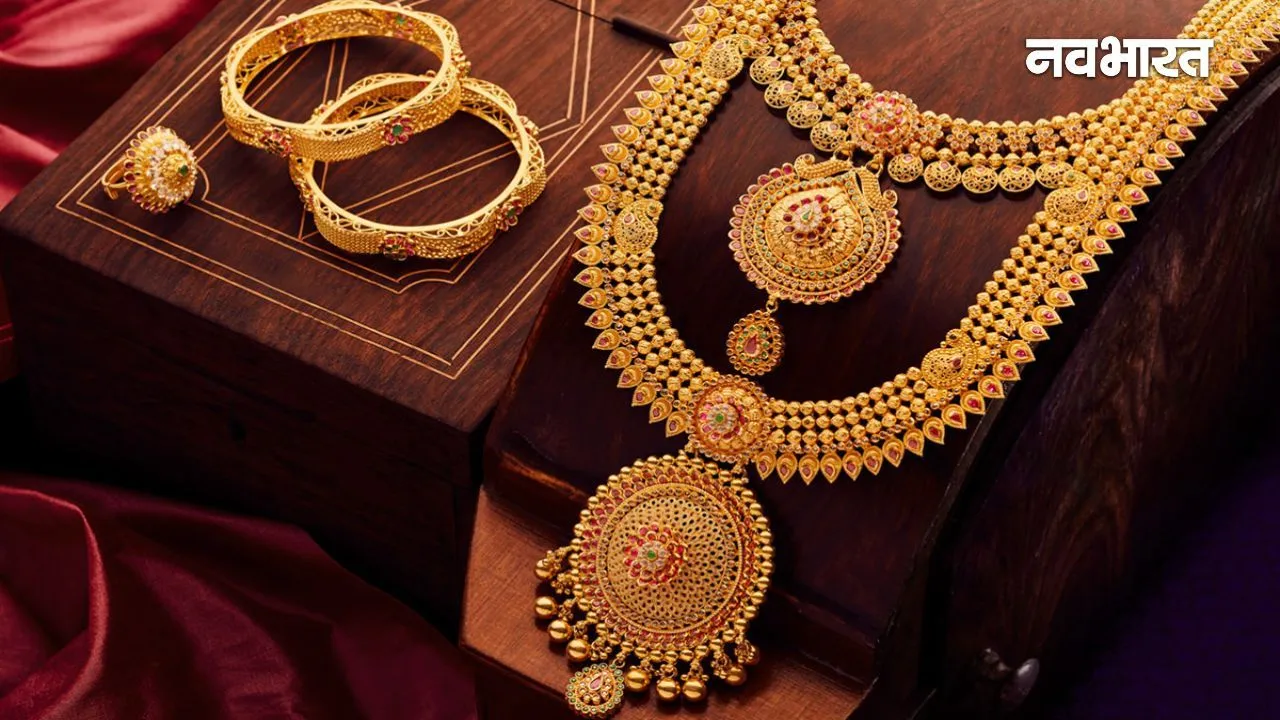
In June, gold jewellery exports rose 54.5% to $1.09 billion, with studded jewellery making the largest contribution. However, plain gold jewellery exports showed mixed trends during the quarter. Meanwhile, exports of silver and platinum jewellery in the first quarter also recorded growth of 20 to 27 percent.