Editor’s Note
**Editor’s Note:** This article explores Hermès’ latest high jewellery collection, “Into the Horsescape,” which pays homage to the brand’s equestrian heritage by transforming iconic riding gear into refined, artistic pieces.
Style Edit: Hermès’ Into the Horsescape Collection Is an Ode to Its Equestrian Roots
STORY
SCMP Style Reporter
Jul 20, 2026
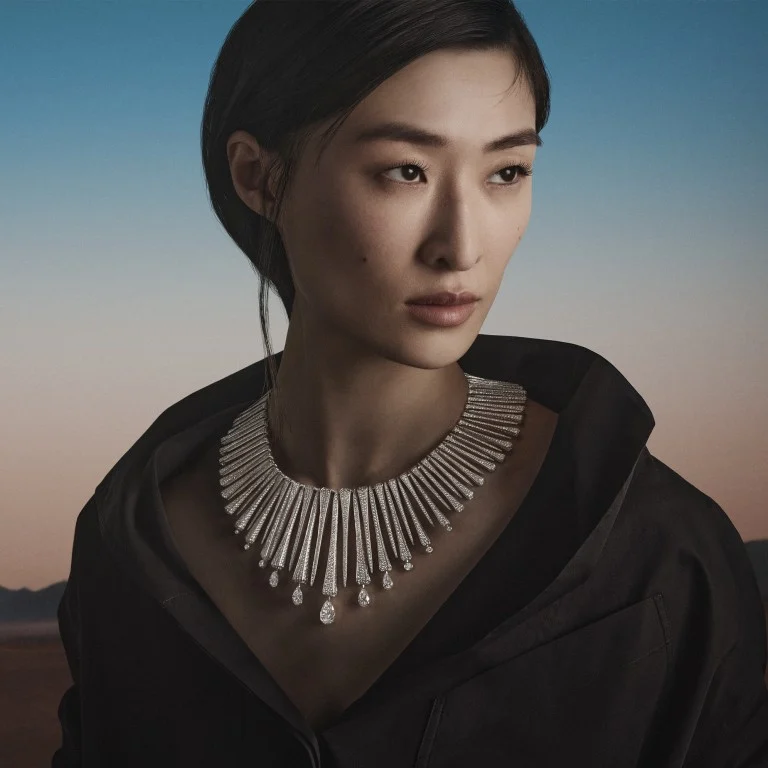
The Clou de Forge Lumière necklace from Hermès’ high jewellery collection, Into the Horsescape. Photo: Handout
Style Edit
+ FOLLOW
The collection reimagines harnesses, saddles, ropes and other emblematic horse-riding gear as refined jewellery pieces
For Hermès, the horse has always been more than an emblem. It has been at the heart of the Parisian maison. Long before it became synonymous with leather bags and silk scarves, Hermès was crafting harnesses and saddlery for Europe’s finest riders. That equestrian heritage continues to shape everything the house creates, including its latest high jewellery collection, Into the Horsescape.
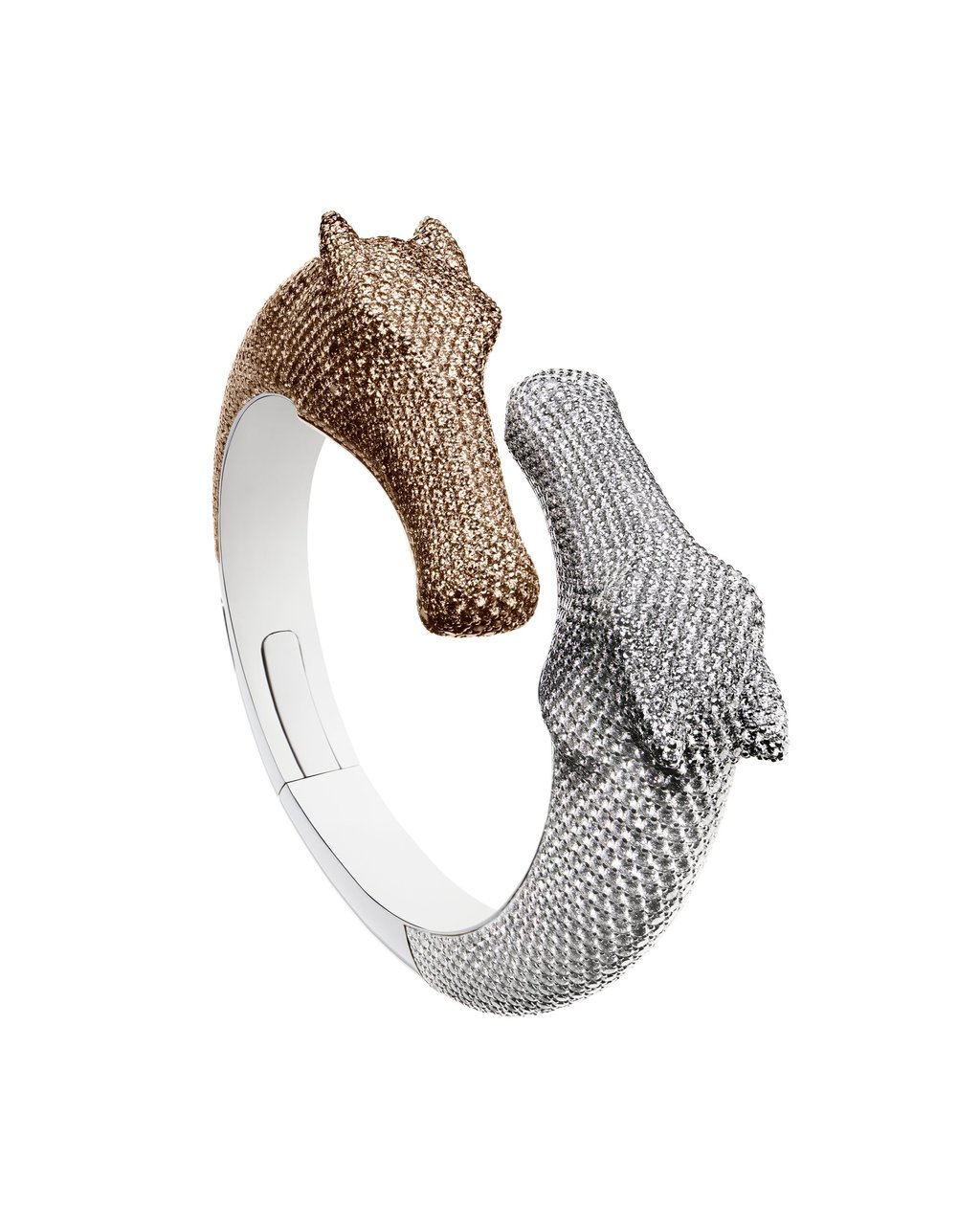
The Sellette bracelet is inspired by an 18th century miniature saddle. Photo: Handout
The ninth Haute Bijouterie collection, designed by Pierre Hardy, doesn’t celebrate the horse in an obvious way. Instead, the collection captures the spirit of the animal through the objects that surround it – horse bits, stirrups, harnesses, saddles, nails and ropes – reimagining these everyday elements as refined works of jewellery.
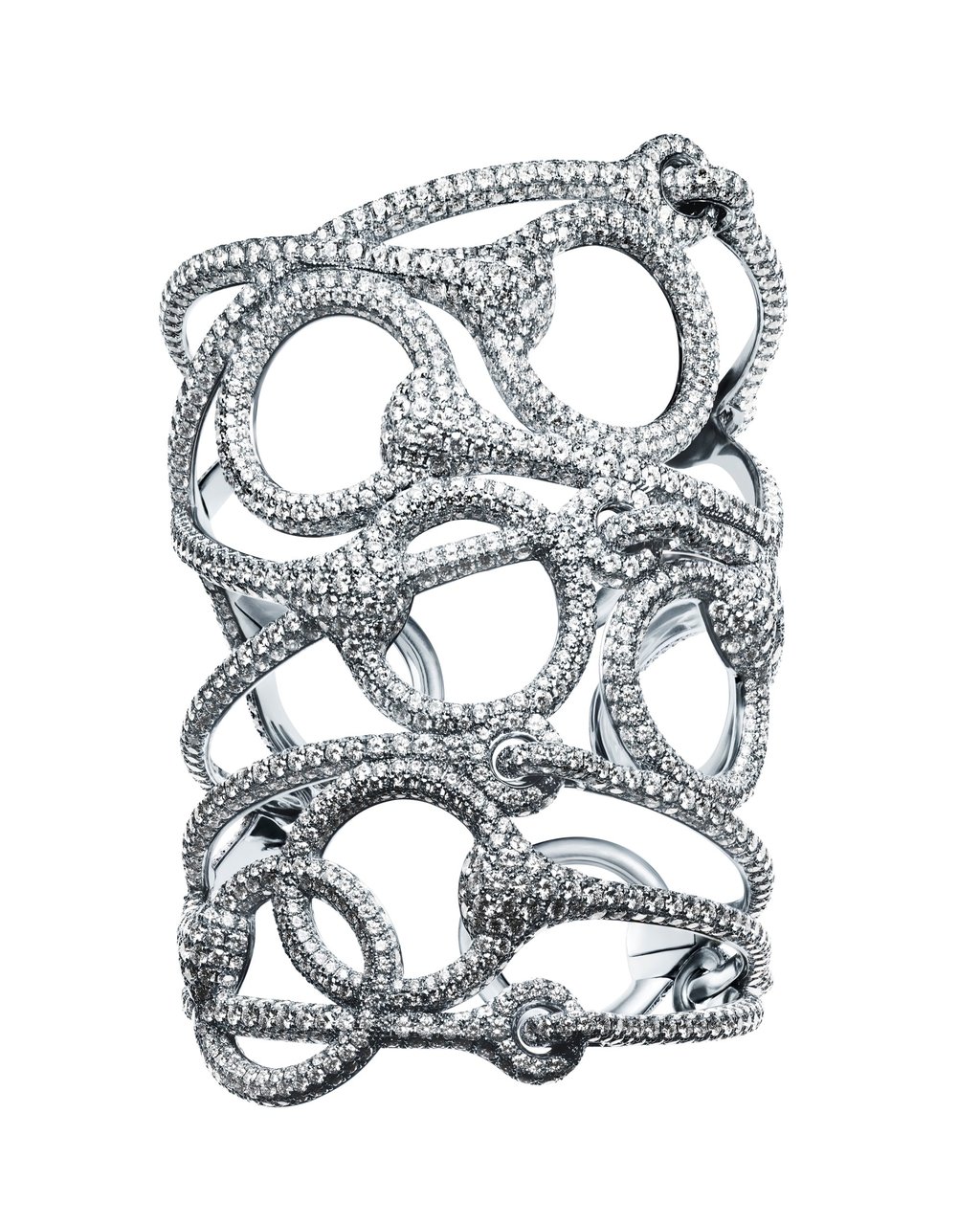
The Galop Hermès bracelet. Photo: Handout
The result is a collection that feels modern yet deeply connected to the house’s history.
Movement is a recurring theme. Necklaces drape effortlessly around the body, bracelets wrap naturally around the wrist, and even the most elaborate pieces feel remarkably fluid. Hidden clasps and intricate articulations allow the jewellery to move with the wearer, blurring the line between sculpture and adornment.
The Étreintes cuff bracelet reimagines the horse bit. Photo: Handout
The gemstones play an equally important role. Alongside brilliant white diamonds are black jade, smoky quartz, brown tourmalines, moonstones, tiger’s eye and opals, creating a palette inspired by the colours of leather, polished saddlery and the horse itself. Rich emeralds bring bursts of vibrant green, while rare diamonds and sapphires punctuate with brilliance.
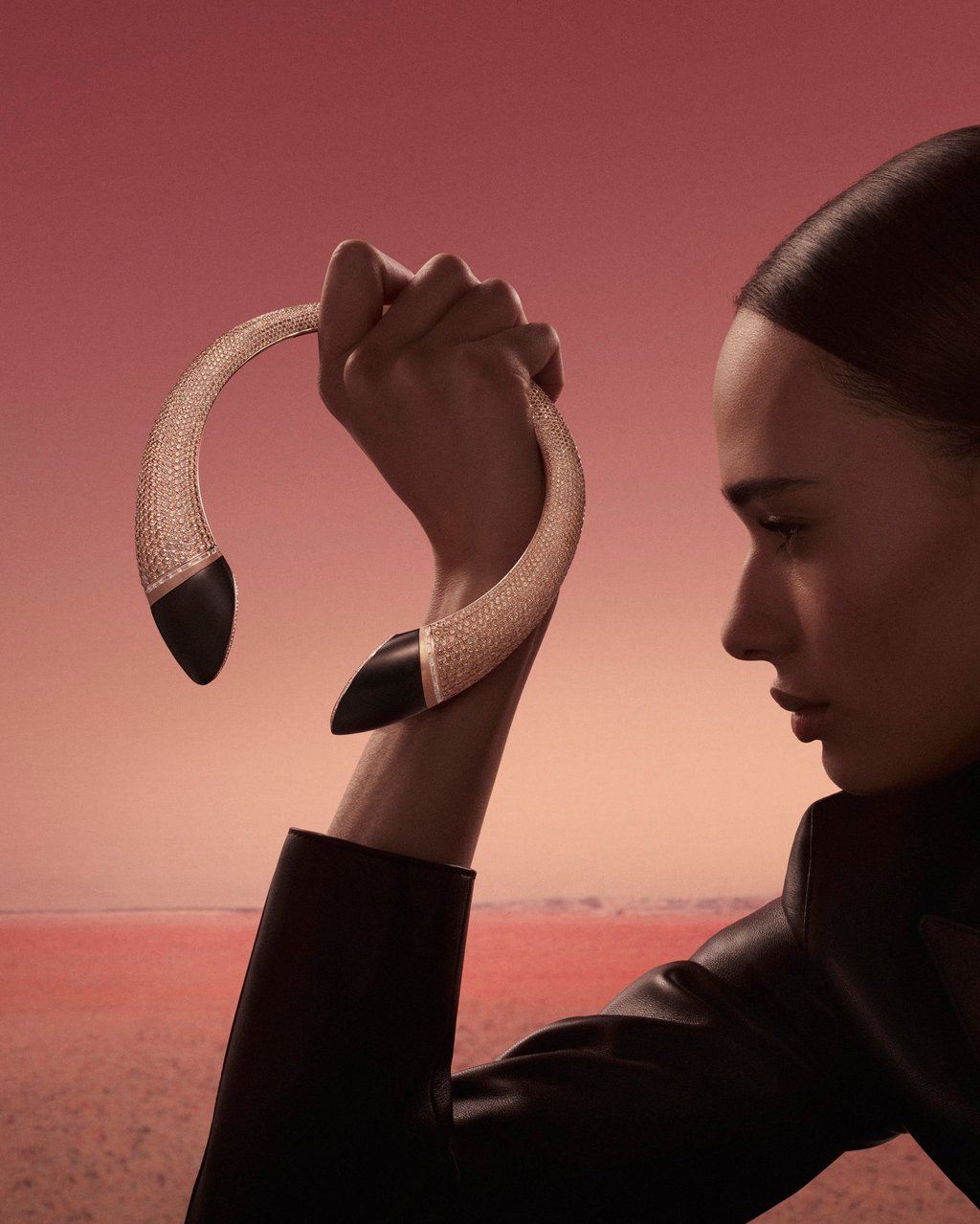
The Centaure necklace. Photo: Handout
Several creations stand out for the way they reinterpret familiar equestrian forms. Étreintes transforms the elegant curve of the horse bit into sweeping necklaces and earrings set with striking emeralds. Lasso Disco captures the twisting motion of a rope through ribbons of baguette-cut diamonds, while the Clou de Forge Lumière bracelet turns the humble blacksmith’s nail into dazzling jewellery.