Editor’s Note
Downtown Reynosa’s formal retail sector saw a 30–40% sales surge this graduation season, driven by jewelry, footwear, formalwear, dining, and souvenir shops, according to Calle Hidalgo business representative Raúl Cisneros Villarreal.
Reynosa, Tam.- The recent graduation season provided a significant economic boost for formal retail businesses in the city’s downtown area. In this sector, shops in various traditional categories recorded a notable sales increase of between 30 and 40 percent compared directly to the same period last year.
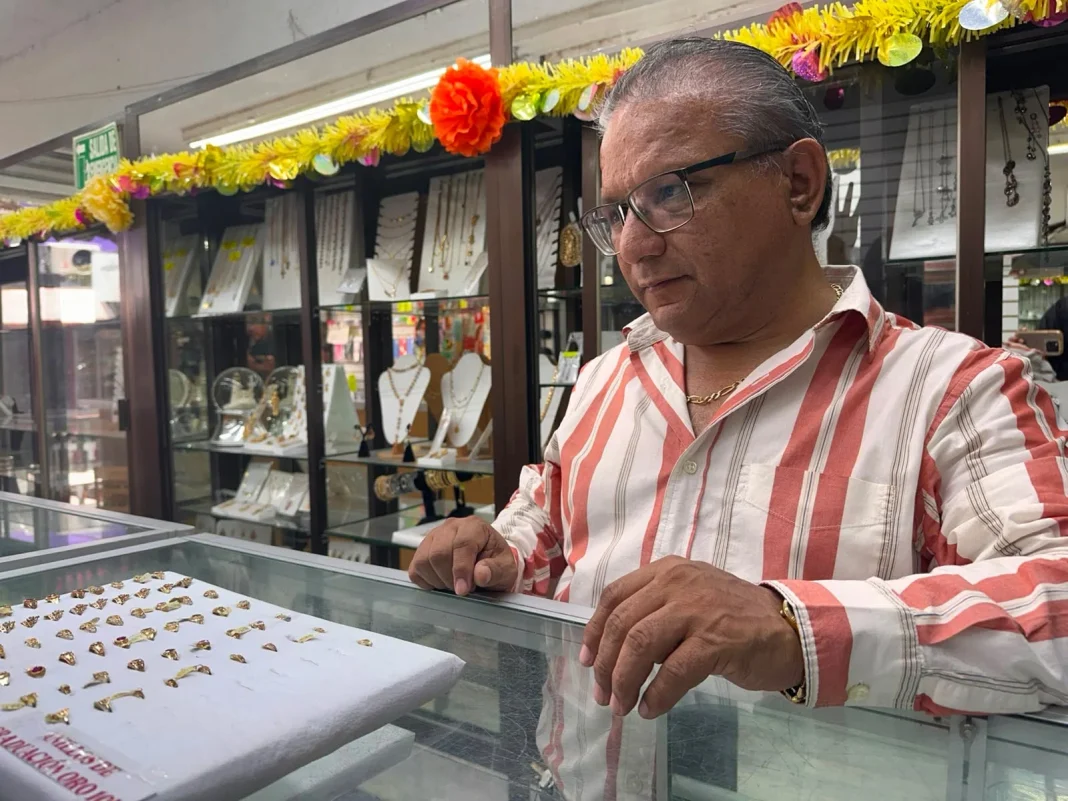
The representative of businesses on the pedestrian Calle Hidalgo, Raúl Cisneros Villarreal, officially reported that the financial balance of the period was extremely positive, primarily for local establishments selling fine jewelry, shoe stores, formal clothing shops, restaurants, and souvenir shops.
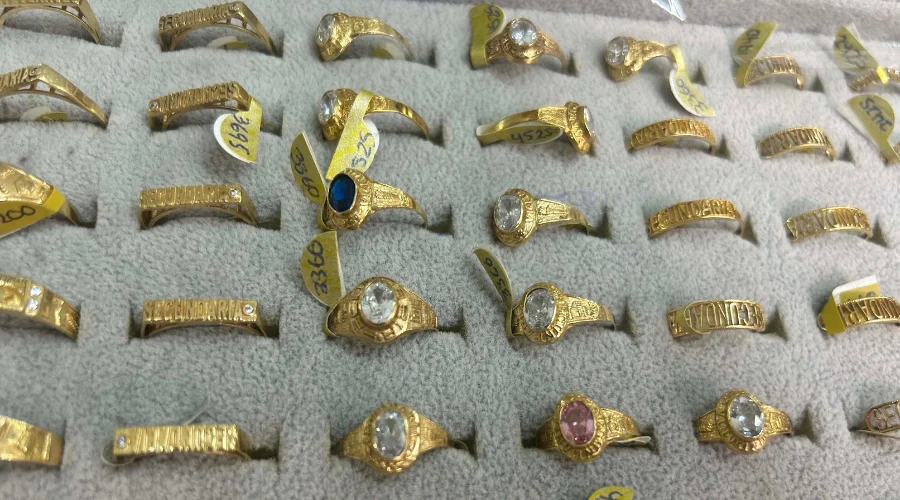
The business leader explained in detail that rings made from metals like silver and gold continue to be one of the most requested gifts by Mexican families. This is because they are traditionally purchased as a permanent memento of the successful completion of a young person’s studies.
Cisneros Villarreal highlighted that a significant portion of the current clientele consists of families residing in the municipality of Reynosa, whose children study daily in schools and academies in the Rio Grande Valley, a region where the tradition of giving graduation rings is deeply rooted among the student community.
“Sales in the stores began to strengthen from mid-May, when many people came to reserve their jewelry pieces, take exact measurements, or choose models from the catalog. Meanwhile, the highest mass demand was recorded throughout June and the first days of July, coinciding exactly with the official graduation ceremonies for preschool, elementary, middle school, high school, and higher education levels,” the formal merchant explained.
With this successful graduation season formally concluded, downtown shopkeepers have begun preparing with new inventory for the next period of high commercial activity on the border: the massive back-to-school shopping.
Cisneros Villarreal fully trusts that counter activity will pick up again from the first days of August, when families begin making major expenses related to returning to classrooms. This will help maintain the strong economic dynamism left by the graduation season in the city’s main square.