Editor’s Note
**Editor’s Note:** Amid ongoing market volatility, a wave of diamond retailers across Ho Chi Minh City—from major malls to iconic streets like An Duong Vuong and Tran Hung Dao—has shuttered or suspended operations, signaling a deepening paralysis in the sector.
Following market fluctuations, numerous diamond stores from shopping malls to streets like An Duong Vuong, Tran Hung Dao, and Tran Phu have simultaneously closed.
On the afternoon of July 20, reporters from VTC News observed that many diamond stores in Ho Chi Minh City had simultaneously closed or temporarily suspended operations. From large shopping malls like Vincom Dong Khoi to alleys such as An Duong Vuong, Tran Hung Dao, and Tran Phu—known as the city’s “diamond streets”—a pervasive silence had settled, a stark contrast to the previously bustling trading atmosphere.
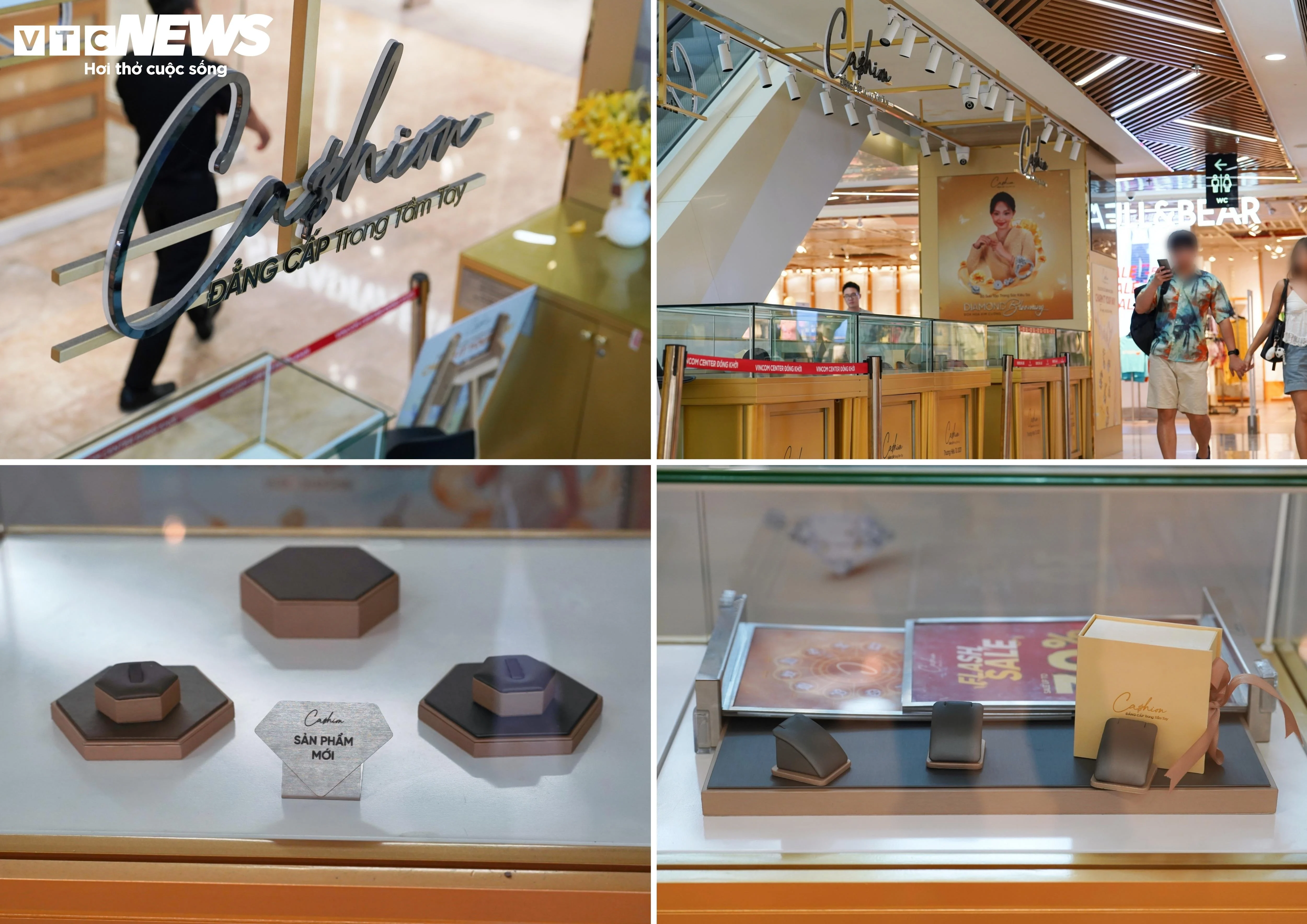
The Cashian Diamond Store at Vincom Dong Khoi (Saigon Ward) has closed. Inside the showroom, there are no longer diamonds or jewelry; only stands, boxes, and display items remain on the shelves.

According to the company’s introduction, Cashian has a chain of stores in shopping malls across 10 cities nationwide, including Ho Chi Minh City, Hanoi, Da Nang, Hai Phong, and many other locations. Previously, the company announced a temporary suspension of operations across its entire system for two months, starting from 8:00 AM on July 19.
This store chain specializes in providing services for the exchange of diamonds, diamond jewelry, and genuine luxury goods.
Not only at Vincom Dong Khoi, but also on An Duong Vuong Street (Cho Quan Ward)—often referred to as one of Ho Chi Minh City’s largest “diamond streets”—the buying and selling atmosphere is very sluggish.

Many once-bustling stores such as Kim Ly, Kim Khiet, Kinh Chau, and Thai Mai have closed and temporarily suspended their business, leaving customers feeling confused and anxious.
The Cao Hung Diamond Store (35 Tran Phu Street, Cho Quan Ward) has also shut down after announcing a two-week temporary suspension of exchange services to streamline operations. The store stated that the date for resuming exchange services will be announced on its fanpage.
Meanwhile, the Ngoc Chau Au brand store on Tran Hung Dao Street (Cho Quan Ward) is closed, as Ms. Hoang Thi Thanh Nga (born 1980), the director of Ngoc Chau Au Investment Company Limited, has been arrested by authorities. According to information, security guards are stationed at the store around the clock, occasionally allowing some people to enter and exit, but no buying or selling is taking place.
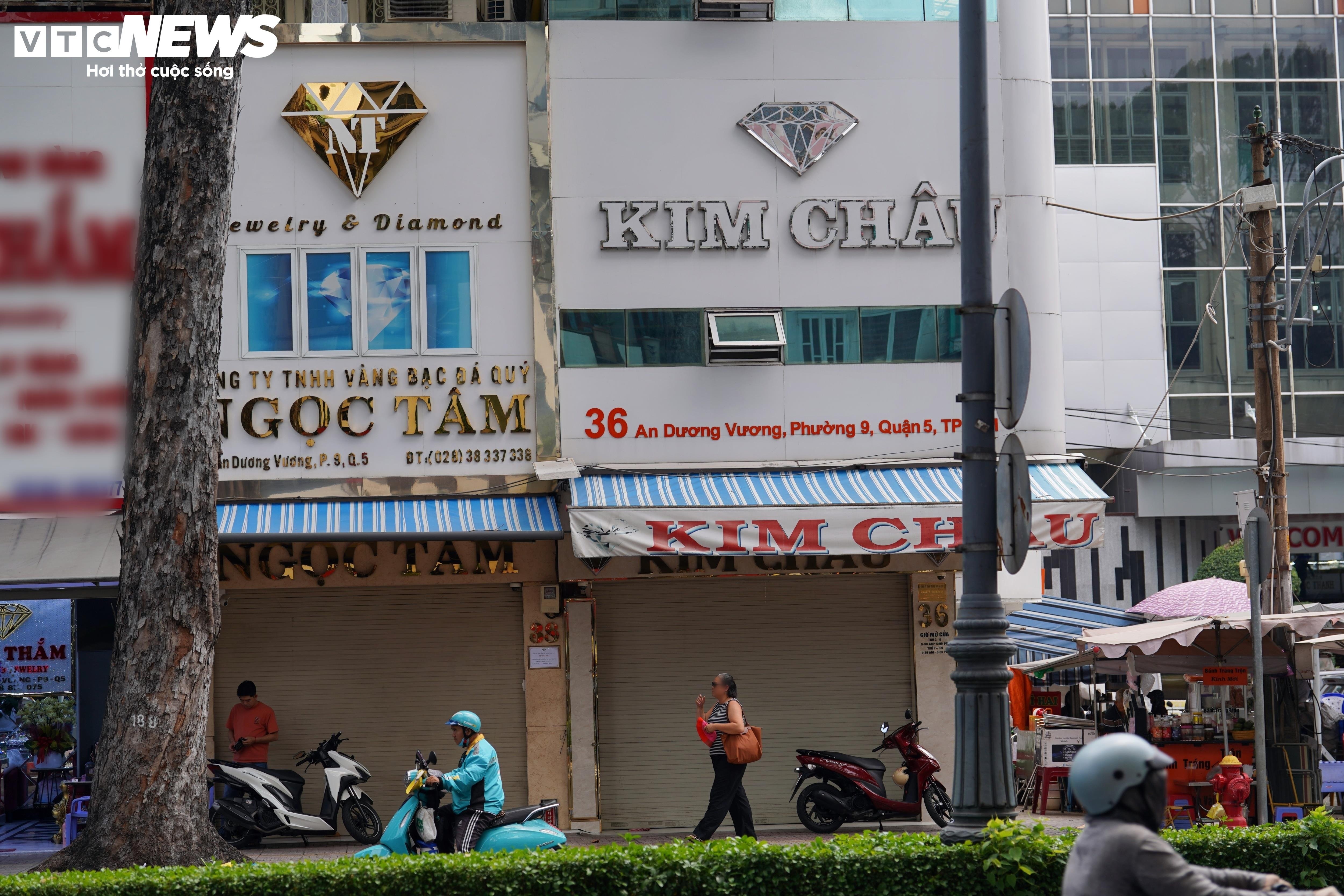
In addition to the above stores, many other diamond businesses in Ho Chi Minh City, such as Hoang Thu Jewelry and Cuu Jewelry, have also announced temporary closures. The simultaneous closure or suspension of operations by multiple diamond businesses in a short period has created an unusually sluggish atmosphere in Ho Chi Minh City’s diamond market.