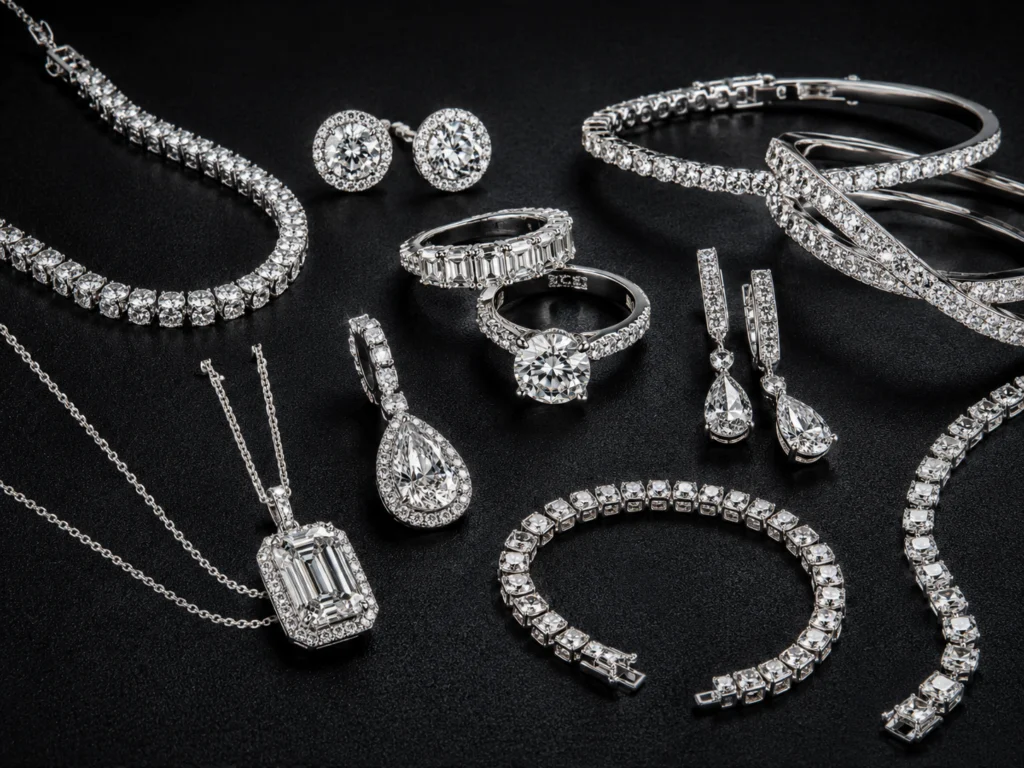
Editor’s Note
**Editor’s Note:** This article explores the enduring appeal of diamonds as a top seller in April, highlighting their symbolic value, versatility across price points, and strong upsell potential. With high conversion rates and ideal cross-merchandising opportunities, diamonds remain a timeless choice for milestone gifts and seasonal inventory refreshes.
Why they sell:
– Instantly recognizable symbolism that supports emotional purchasing
– Ideal for milestone gifts: anniversaries, engagements, birthdays
– Available across a wide spectrum of qualities and price points
– Exceptional upsell potential through cut, color, clarity, and traceability
– High conversion rates due to familiarity and timelessness
– Perfect gemstone for cross-merchandising with colored stones
April is also an optimal time to refresh your diamond storytelling, update staff training, and promote natural diamond differentiation, especially as consumers increasingly seek transparency, rarity, and assurance.
Quick Facts:
– Hardness: 10 on Mohs scale
– Visual appeal: Superior brilliance due to high refractive index and strong dispersion
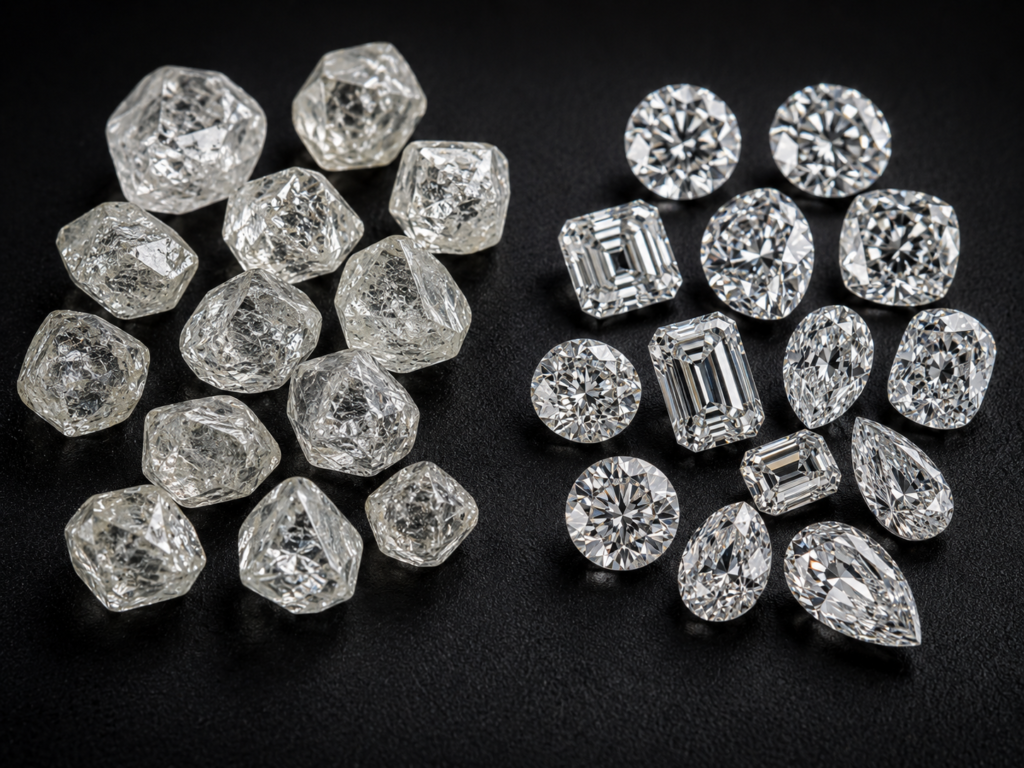
– Colors: Near-colorless range (D–Z); Fancy colors: pink, blue, yellow, green, orange, brown, black, and extremely rare reds
– Cuts: Round brilliant, oval, pear, emerald, princess, cushion, radiant, marquise, heart, plus vintage cuts and modern geometric shapes such as kites and shields.
– Primary sources: Russia, Botswana, Canada, Angola, South Africa, Democratic Republic of Congo
– Symbolism: Love, purity, resilience, commitment
Key Features to Showcase:
As consumer conversations evolve, retailers benefit from reinforcing the inherent attributes that only natural diamonds possess:
– Unmatched brilliance: Diamonds’ exceptional optical properties make them the most visually dynamic gemstone on the market.
– Enduring durability: With a Mohs rating of 10, diamonds are ideal for lifelong wear, especially bridal and milestone gifting.
– Universal compatibility: Works with every metal color and all design aesthetics, from classic solitaires to modern minimalism.
– Rare fancy colors: Pinks, blues, and greens allow for high-end upsells and engagement with collectors.
– Traceability advancements: New mine-to-market technologies support retailers to build trust and credibility.
– Longevity of value: Natural diamonds retain cultural relevance and long-term emotional and financial value.
Diamonds continue to dominate red carpets, celebrity proposals, and cultural fashion moments.
– Taylor Swift’s vintage cushion-cut engagement ring
– Selena Gomez’s distinctive marquise diamond styles
– Beyoncé’s Cowboy Carter tour bolo tie featuring 19 carats of diamonds
These touchpoints help demonstrate modern relevance and reinforce aspirational buying behavior.
Here are some practical ways retailers can increase sales for these unique gemstones:
1. Lead with brilliance and cut quality: Most shoppers associate diamond quality with sparkle first. This gives an easy place to begin, educating customers on how symmetry, polish, and proportions influence light return.
2. Use side-by-side comparisons: Show light performance differences across cuts, clarities, and colors to help customers self-identify preferences.
3. Introduce traceability early: Today’s consumers increasingly ask where their diamonds come from. Give them simple, meaningful explanations about origin and ethical sourcing, while supporting your own due-diligence through trusted supplier networks. Origin stories, cutting craftsmanship, artisan processes, and ethical sourcing all add meaningful value.
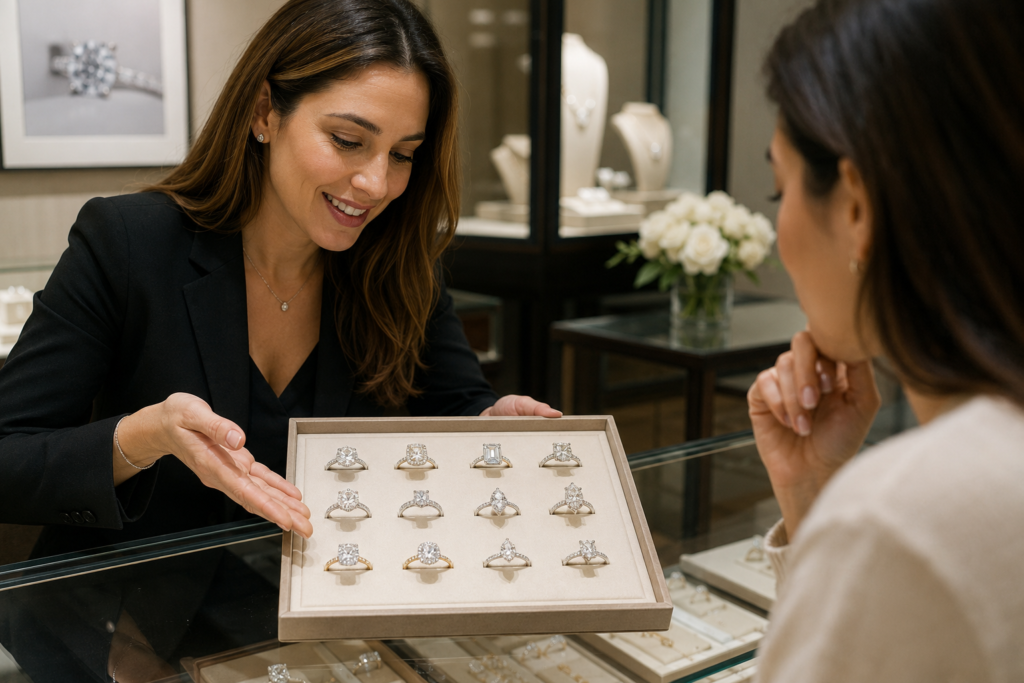
4. Promote fancy shapes: For first time buyers who want to enrich their understanding before they select engagement rings, you can offer staff-led sessions about cut quality, diamond myths, and care tips to support trust-building and lead to future conversions.
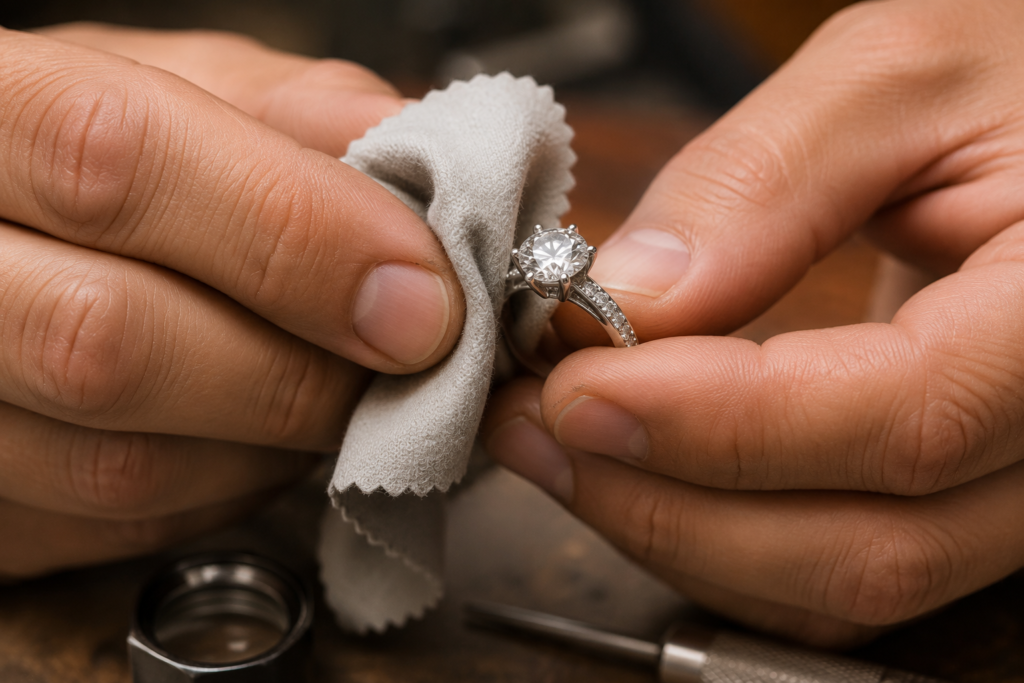
– Remove jewelry before applying lotions or chemicals.
Even beyond April, diamonds remain foundational to jewelry retail.